
Controversial Islamic preacher
Naik argued that the administration in Kabul has paused access to higher learning due to a lack of safe environments and a shortage of female educators. He further claimed that there is no issue with delaying schooling until appropriate conditions are established, while noting that primary education for girls remains permitted up to the sixth grade. He also alleged that some Afghan women are continuing their studies in Islamic disciplines at the master's and doctoral levels.
Widespread Condemnation from Activists and Academics
The remarks have drawn sharp criticism from a range of public figures across India, Pakistan, and Afghanistan, who argue that Naik is providing religious justification for the systemic exclusion of women from public life. Ziauddin Yousafzai, an education activist and father of Nobel laureate
Mariam Solaimankhil, an exiled Afghan Member of Parliament, challenged the logic of the preacher’s argument on social media. She pointed out the contradiction in citing a lack of female teachers as a justification for the ban, noting that the Taliban has simultaneously prohibited women from working in many professional sectors. Indian historian Ruchika Sharma also condemned the rhetoric, characterizing the failure of influential religious figures to denounce the restrictions as a moral failing, particularly given that the policy is widely regarded as a significant violation of human rights.
Context of Education Restrictions in Afghanistan
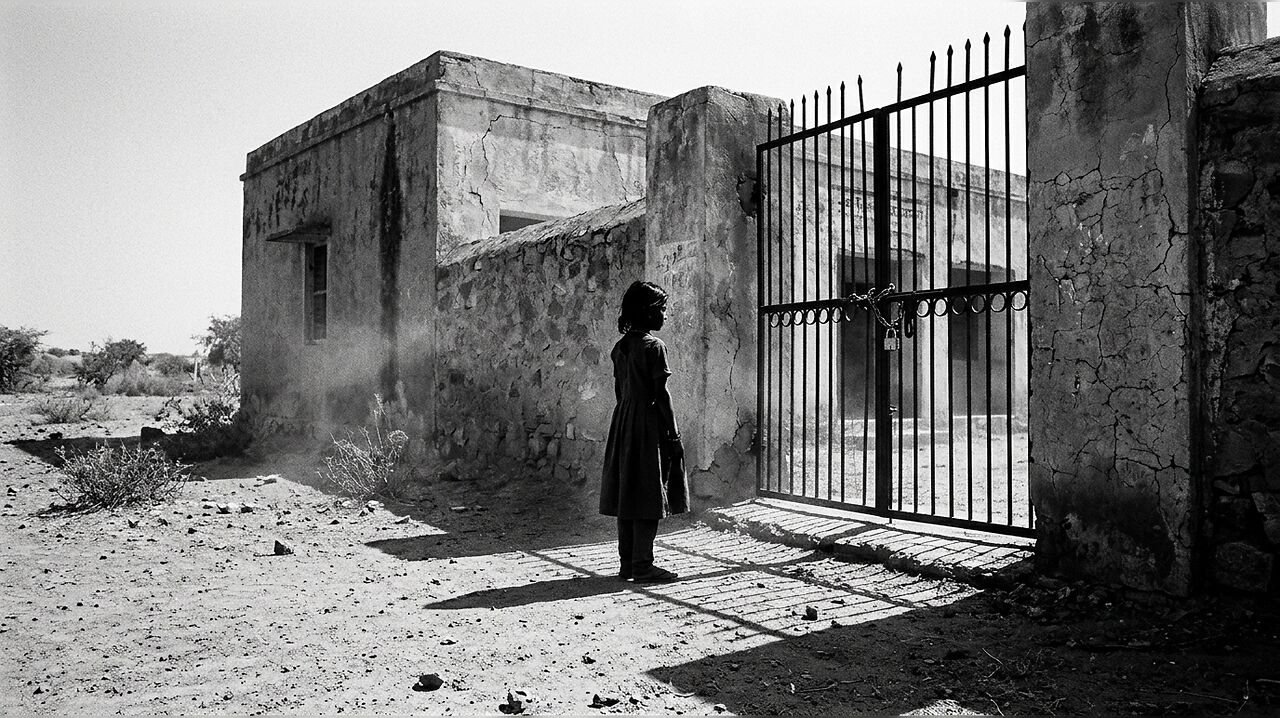
The debate surrounding Naik’s comments occurs against the backdrop of a long-standing educational crisis in Afghanistan. According to data from UNICEF, approximately 2.6 million Afghan girls have been excluded from secondary schooling since the Taliban returned to power in September 2021. The organization has repeatedly highlighted that Afghanistan remains the only nation globally where secondary and higher education is effectively inaccessible to women and girls.
UNICEF Executive Director Catherine Russell has previously emphasized the long-term impact of these policies, noting that while five years may be a short span in a nation's history, it represents a critical and defining period in the life of a student. The controversy surrounding Naik’s statements arrives as he continues to reside in Malaysia, where he was granted permanent residency in 2017. He had previously left India in 2016 amid investigations by law enforcement agencies following allegations that his speeches had influenced individuals involved in a militant attack in Dhaka.




