
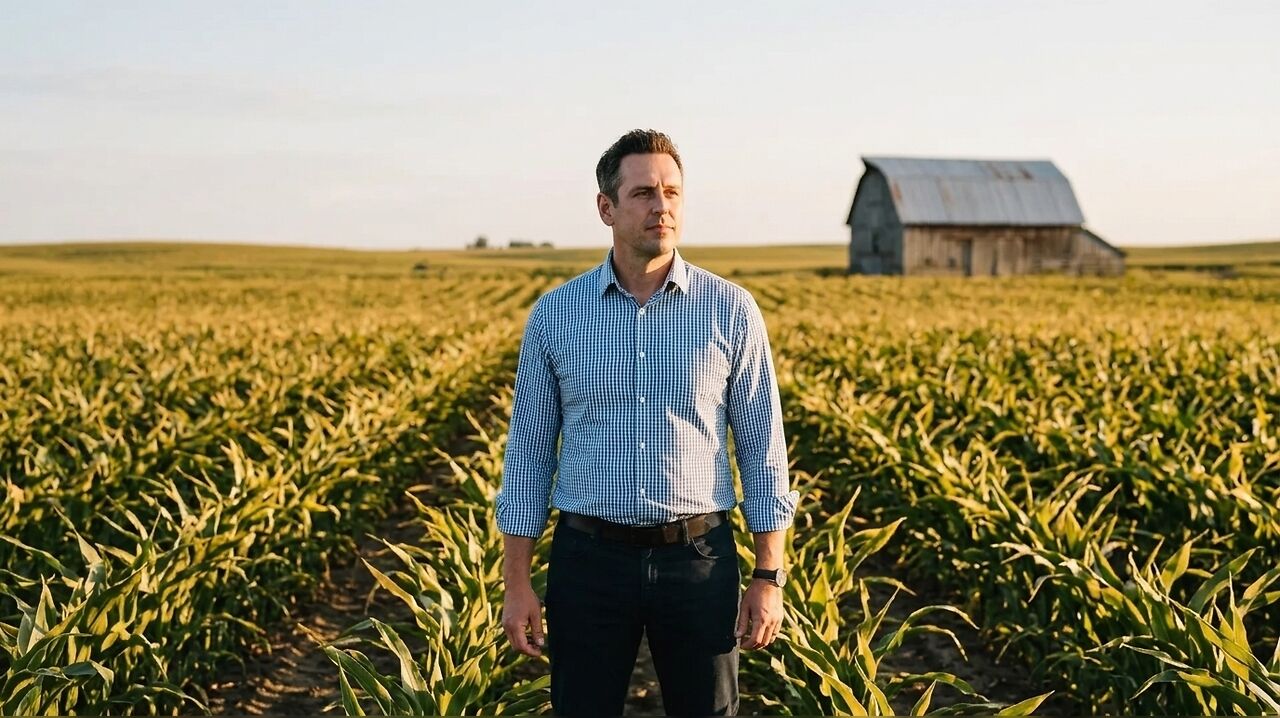
Republican candidate
The campaign, which seeks to unseat incumbent
Policy Priorities and Agricultural Reform
Lahn’s platform centers on the protection of Iowa’s farming industry, with a specific focus on curbing foreign and out-of-state land ownership. He has proposed using antitrust measures to combat agricultural monopolies and advocates for prioritizing Iowa-based companies in state economic development initiatives. His approach to the state’s economy is largely protectionist, aiming to shield local farmers and businesses from external corporate influence.
In the realm of education, Lahn has called for a focus on core academic areas like agriculture and cancer research within Iowa’s university system. He has also taken a firm stance on public school curricula, proposing that teaching licenses be revoked if educators are found to be promoting political agendas in the classroom. Regarding healthcare, Lahn has expressed skepticism toward the use of artificial intelligence by private Medicaid providers to evaluate claims. While he has criticized the current managed-care system, he has stated a preference for reforming existing contracts rather than following his opponent’s proposal to terminate agreements with for-profit providers.
Campaign Financing and Political Context
As a self-funded candidate, Lahn has identified himself as the primary donor to his campaign, though he has not released a formal estimate of his personal net worth. His campaign strategy relies heavily on his identity as a businessman and his personal investment in the state, rather than traditional wealth disclosures.
While the broader geopolitical landscape, including the impact of the war in Iran on fuel and agricultural costs, has surfaced in the political discourse, Lahn has kept his campaign focus strictly on state-level issues. His platform remains concentrated on affordability, healthcare oversight, and the retention of young families in Iowa. As the election cycle progresses, Lahn’s campaign continues to navigate questions regarding his residency and his vision for state governance, setting the stage for a competitive contest against Sand.




