
The
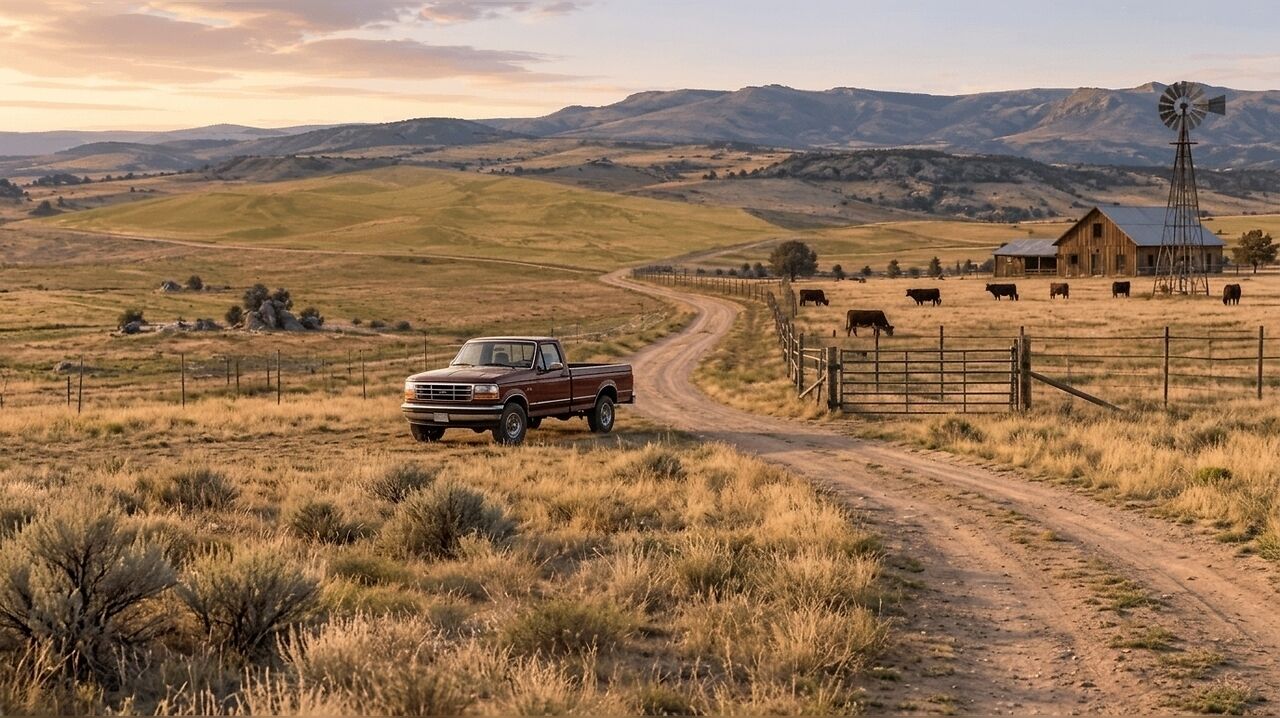
The conflict arose after Wagonhound sought to secure legally enforceable vehicle access to its property, which was almost entirely surrounded by the neighbouring ranch. Following failed negotiations to purchase a right-of-way, the company petitioned the court under state law to establish a private road. While the ranch contested the necessity of the road, arguing that alternative routes existed across public land, the court ultimately determined that no legally usable connection to a public road was available to the landowner.
Legal Necessity and Compensation
In its ruling, the Supreme Court clarified that the presence of a rough, informal track across public land does not constitute legally enforceable access. The court found that the alternative routes proposed by Little Medicine Creek Ranch, including a path across Bureau of Land Management territory, were either physically impractical or lacked the necessary legal standing to serve as a reliable thoroughfare. Consequently, the court upheld the necessity of the private road.
The court also addressed the financial implications of the project, affirming a $61,200 compensation award granted to the ranch. This figure was based on an independent appraisal that calculated the reduction in the value of the affected land at $90 per acre. The ranch had argued for higher compensation, citing potential operational losses such as livestock health issues and increased staffing costs. However, the justices ruled that state law limits compensation to the reduction in property value rather than indirect future business losses, noting that the ranch failed to provide evidence to challenge the original appraisal methodology.
Adjustments to Road Conditions
While the court supported the establishment of the road and the associated compensation, it modified specific conditions previously imposed by the district court. The justices overturned a requirement that would have held Wagonhound liable for all road damage, regardless of whether the damage was caused by the company’s own vehicles or those of the ranch and its guests. The court determined there was insufficient evidence to justify such a broad liability clause.
Furthermore, the court rejected a restriction that would have prohibited vehicles with more than four axles, finding no evidence that heavy traffic would create unreasonable disturbances. However, the court did uphold a requirement for dust suppression measures, acknowledging the potential impact on the ranch's livestock. The ruling effectively balances the landowner's need for access with the neighbouring property's protections, providing a clear precedent for future landlocked property disputes in the state.




