
The World Health Organization (
Reinhilde Van de Weerdt, the WHO representative for the Palestinian territories, stated that the health infrastructure in Gaza remains in a dire state, with no hospitals currently operating at full capacity. Speaking from Jerusalem to reporters in Geneva, she emphasized that the volume of aid entering the region is insufficient to meet the urgent medical needs of the population.
Systemic Bottlenecks in Aid Approval
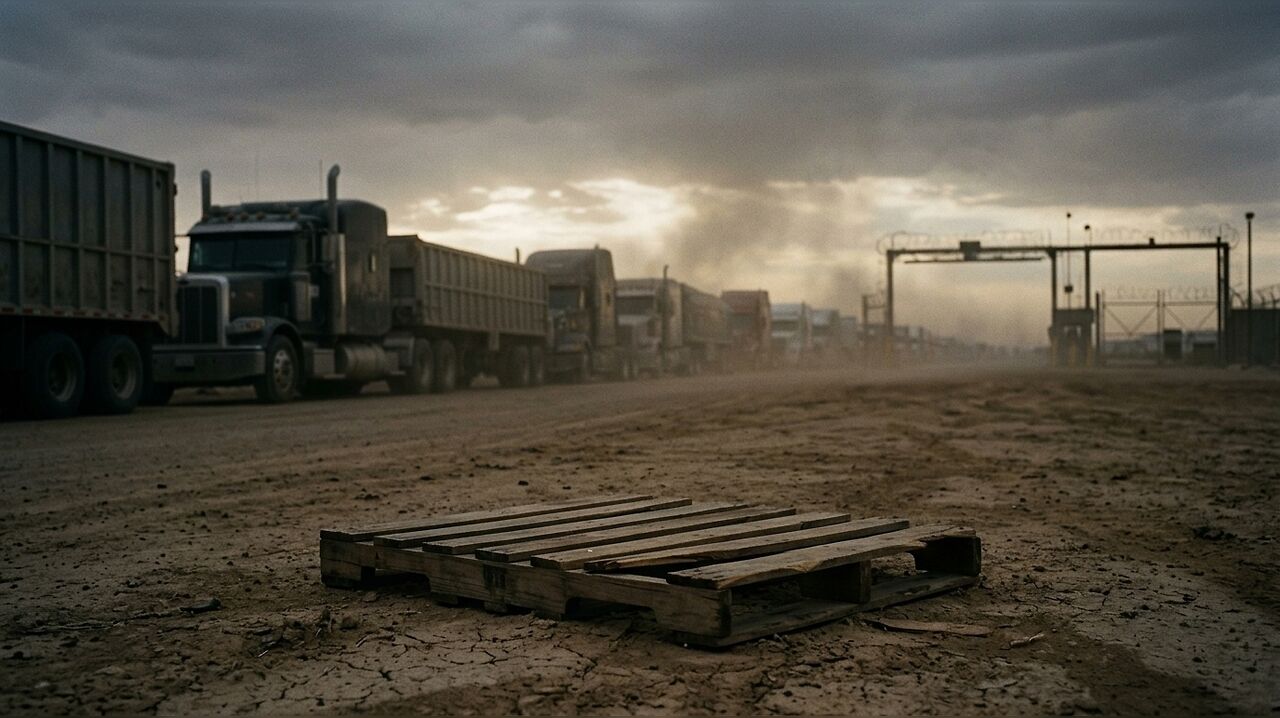
Central to the crisis, according to the WHO, is the Israeli approval system for humanitarian and medical cargo. Van de Weerdt characterized the process as both laborious and unpredictable, noting that large quantities of
The WHO noted that the regulatory environment is fluid, with new requirements frequently introduced. While standard medicines have seen a relatively high approval rate of approximately 87 percent, other critical items face significant hurdles. Equipment such as X-ray machines, sterilization tools, and spare parts for diagnostic machinery are frequently rejected. In one instance, a shipment of prosthetics and assistive devices was reportedly turned away four times over a six-month period.
Conflicting Priorities and Humanitarian Impact
The
The WHO has urged for the establishment of a more predictable and unimpeded supply chain, calling for the opening of additional border crossings and the publication of clear, consistent guidance regarding import requirements. Van de Weerdt cautioned against using the number of trucks crossing the border as a primary metric for success, arguing that the arrival of non-priority items or delayed shipments does not effectively address the immediate health crisis. The organization continues to advocate for a significant reduction in the pressure placed on medical supply chains to ensure that life-saving equipment reaches those in need.




