
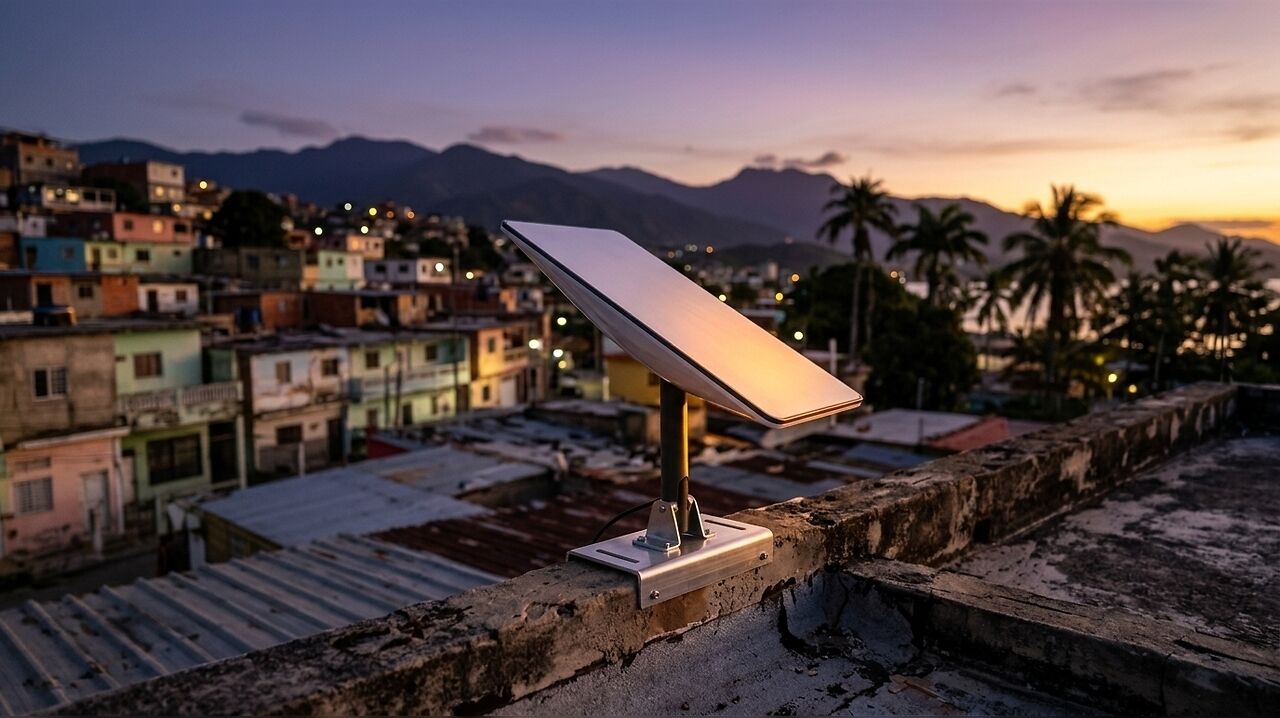
The Venezuelan National Telecommunications Commission, known as Conatel, has officially authorized the operation of Starlink satellite internet services within the country. The regulatory body announced on Friday that it has issued seven licenses to the local subsidiary of SpaceX, the aerospace company founded by Elon Musk, allowing the service to provide connectivity across the nation.
This move marks a significant shift in the country’s digital landscape, effectively lifting the prohibitions that were in place during the tenure of former president Nicolas Maduro. Under the previous administration, the government had maintained a hostile stance toward the tech billionaire, even launching public campaigns that depicted him in a negative light. The government had also implemented a ban on the social media platform X, which is also owned by Musk.
Regulatory Shift and Market Access
The path to formal authorization follows a period of restricted access and legal uncertainty. Following the contested 2024 reelection of the former president, Venezuelan authorities had taken measures against the use of the technology, including the arrest of individuals involved in the sale of Starlink antennas. Despite these restrictions, data from APNIC indicated that approximately 3.6 percent of internet users in the country had already been accessing the web through the satellite network prior to the new licensing agreement.
According to Andres Azpurua, director of the digital rights organization VE Sin Filtro, the previous inability of Starlink to operate was compounded by both local regulatory hurdles and United States sanctions that were in effect prior to the change in government in January 2026. Azpurua noted that following the transition of power, the company began to pursue a more open presence in the country as concerns regarding US-side compliance diminished, though the local licensing requirements remained a necessary step for full integration.
Humanitarian and Service Developments
The availability of the satellite service has been a point of focus during recent national events. Following the political transition in January 2026, Musk announced that Starlink would be provided free of charge to Venezuelan users for a one-month period. More recently, the service was utilized to support recovery operations in the aftermath of the twin earthquakes that struck northern Venezuela on June 24. The service was made available at no cost to assist in relief efforts, particularly in La Guaira, which was identified as the region most severely affected by the seismic activity.




