
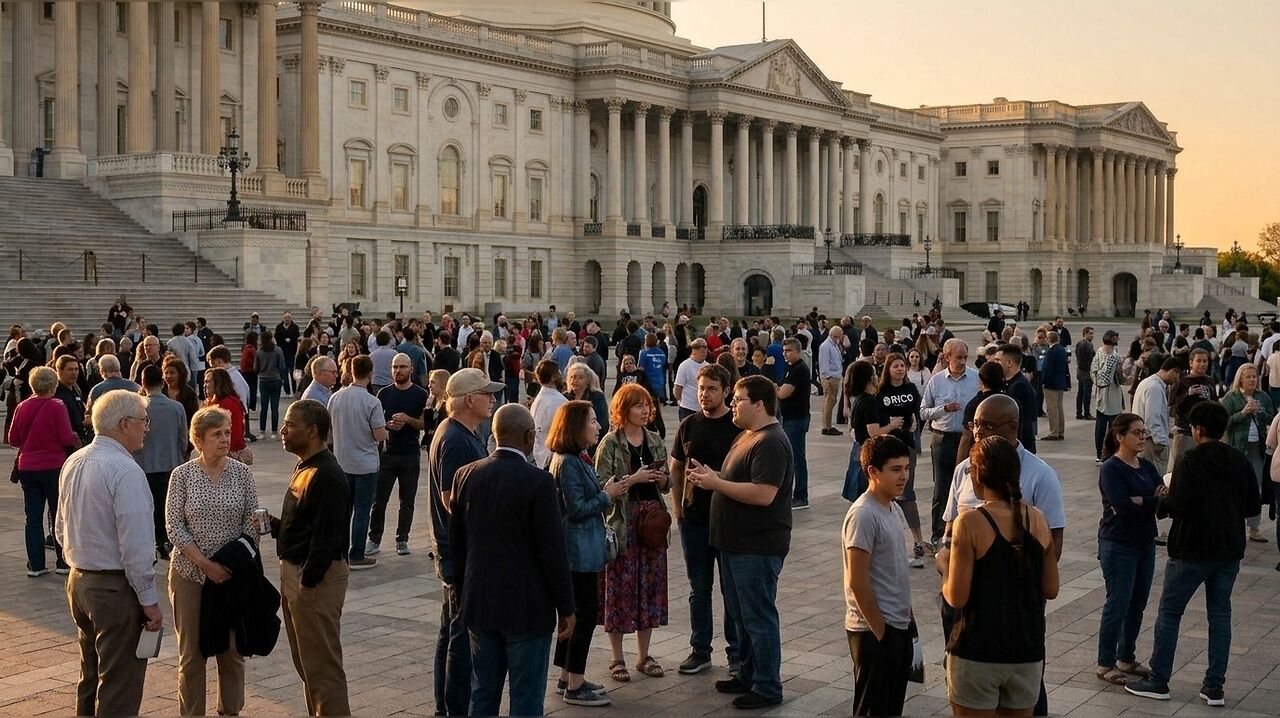
American voters have delivered a decisive response in the recent midterm elections, effectively re-establishing a democratic equilibrium after a period of intense executive consolidation. The results mark a significant departure from the political trends observed in 2024, suggesting a widespread public desire to restore the traditional system of checks and balances within the United States government.
Following the 2024 presidential election, the administration had pursued an expansive agenda that included significant changes to the welfare system, shifts in international trade policy, and the deployment of military assets. Throughout this period, the legislative branch had largely aligned with the executive, leading to a concentration of authority that bypassed traditional oversight mechanisms. The midterm results now indicate that the electorate has moved to curb this trajectory, with voters across diverse demographic groups shifting their support toward the Democratic Party.
A Shift in Voter Sentiment and Party Dynamics
Data analysis reveals a substantial realignment in voter behavior compared to the previous election cycle. According to reports, the Democratic Party saw significant gains across nearly every demographic, including men, women, and various racial and ethnic groups. Notably, the party secured victories in regions previously considered Republican strongholds, such as Kansas, Texas, and South Carolina. This surge in support suggests that voters were motivated by a combination of economic concerns and a desire for greater accountability in Washington.
The election also highlighted a growing receptivity to new forms of political messaging. Candidates who focused on issues such as affordability, foreign policy, and systemic reform found success, suggesting that voters are increasingly open to progressive platforms. Figures such as Zohran Mamdani and Abdul El-Sayed, the latter becoming the first Muslim Senator-elect in Michigan, represent a shift toward candidates who offer distinct alternatives to the established political order. While centrist candidates also performed well, the overall trend points to a public appetite for more authentic and direct engagement with the challenges facing the country.
Implications for Governance and Future Leadership
The outcome of the midterms sets the stage for a period of divided government, which is expected to complicate the administration's ability to implement its agenda. With control over key financial resources and the power to initiate investigations into alleged corruption, the Democratic Party is positioned to exert greater influence over executive actions. While the administration may continue to rely on executive orders and proxies, the legislative branch is now better equipped to provide the oversight that had been largely absent.
Looking ahead, both major parties are expected to face internal transitions. Within the Republican ranks, questions are emerging regarding the future of the party's leadership and the viability of the current political strategy. Simultaneously, the Democratic Party is likely to see a competitive process as ambitious politicians begin to position themselves for the 2028 presidential cycle. As the political landscape in Washington adjusts to this new reality, the primary takeaway remains the restoration of the constitutional role of the legislative branch, a development that carries significant weight for the future of American governance.




