
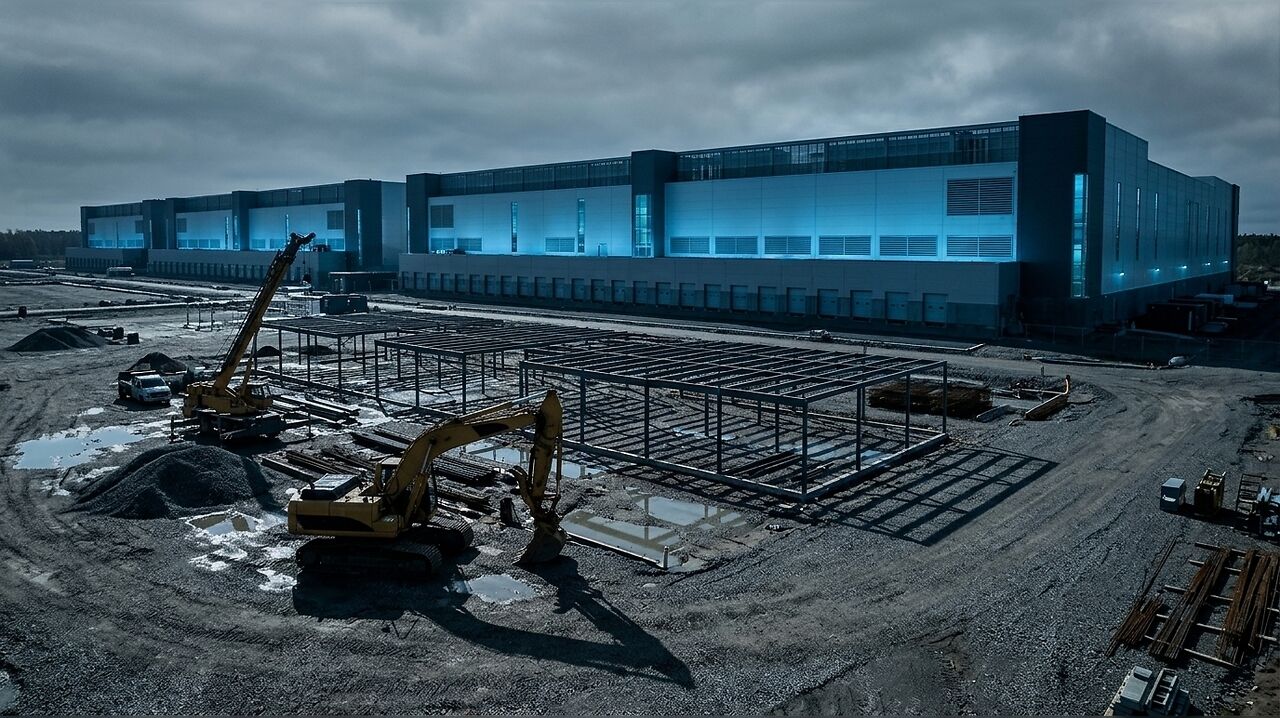
The recent US midterm election results have introduced a new layer of regulatory uncertainty for the artificial intelligence sector, potentially accelerating a divide between major technology corporations and smaller infrastructure firms. As political shifts influence local permitting and development policies, investors are increasingly scrutinizing the ability of smaller companies to secure the capital required for high-cost data centre projects.
Market analysts suggest that the current environment favors established industry giants, such as Microsoft and Amazon, which already possess significant computing capacity. In contrast, smaller firms—often referred to as neoclouds—are facing mounting pressure from both tightening construction regulations and the rising cost of borrowing, which threatens their ability to expand operations in a competitive AI landscape.
Regulatory Hurdles and Market Divergence
Concerns regarding the future of data centre development have intensified following key gubernatorial race outcomes. In Texas, for instance, proposals for a statewide pause on new data centre permits have highlighted the potential for local policy changes to disrupt industry growth. While projects currently under construction are expected to proceed, the prospect of future delays has prompted a cautious reaction from investors.
The financial impact of this uncertainty has been visible in recent stock market activity. Following the election developments, shares in Microsoft and Amazon saw gains of more than 6%, while smaller infrastructure-focused companies like CoreWeave experienced significant declines. According to James Sullivan, managing director at JPMorgan, the disparity in performance is largely driven by the premium placed on existing infrastructure. As new construction becomes more difficult to approve, companies that already own operational data centres gain a distinct strategic and financial advantage.
Financing Challenges for Smaller Competitors
Beyond regulatory risks, smaller
Investment bank Nomura has noted that while data centre capacity slated for 2027 is largely already underway, projects scheduled for 2028 face heightened risks of delays due to regulatory bottlenecks. This environment has led to a sharp increase in credit risk indicators for smaller players, with some firms seeing their credit default swap spreads widen significantly. Analysts suggest that if these financial pressures persist, larger technology firms may find opportunities to acquire data centre assets from smaller operators forced to scale back their expansion plans, potentially consolidating their dominance in the AI sector.




