
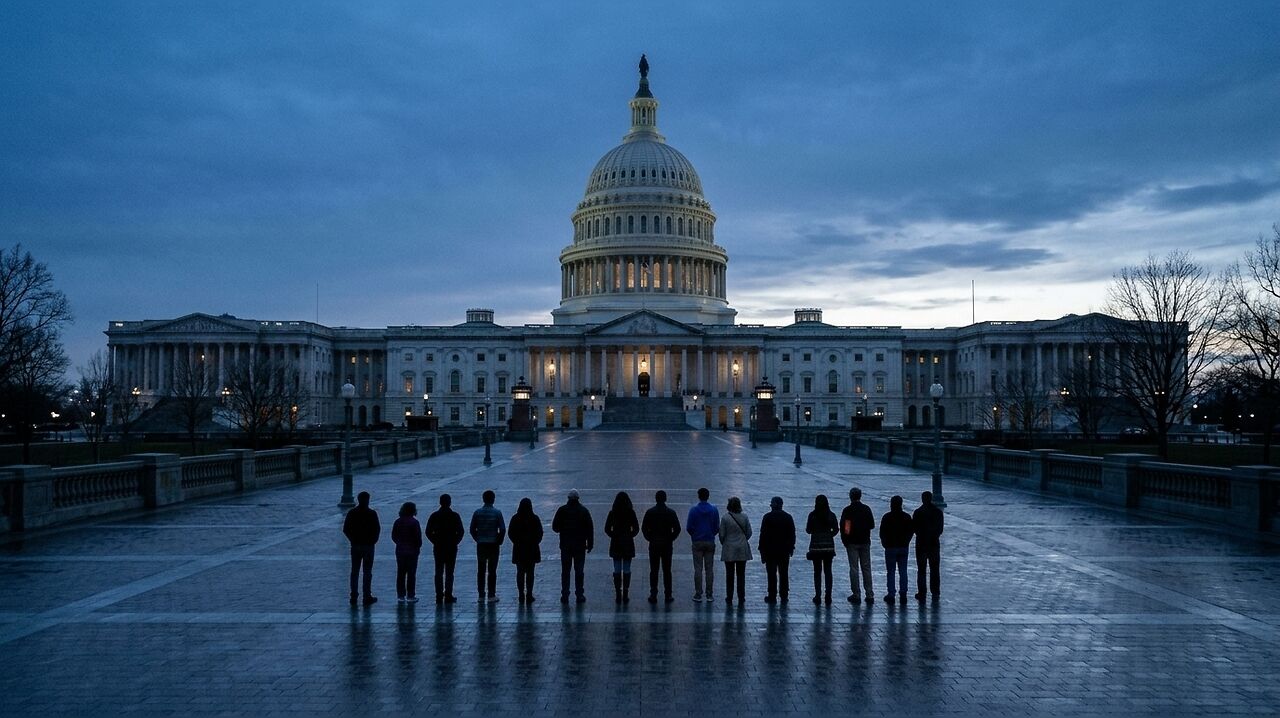
The 2026 United States midterm elections have resulted in a significant shift in political power, as voters delivered a decisive rebuke to the administration of President
Throughout the first half of his second term, President Trump faced criticism for a series of controversial actions, including the implementation of unilateral tariffs and the initiation of a conflict in Iran, which many voters blamed for rising fuel prices and economic instability. Despite having navigated various scandals and a criminal conviction, the president’s attempt to frame the midterms as a referendum on his personal leadership failed to resonate with a public increasingly frustrated by the current direction of the country.
A Shift in the Political Landscape
The electoral outcome has been characterized by some as an extinction-level event for the Republican Party, with losses occurring in regions previously considered safe strongholds. Democrats achieved historic victories in states such as South Carolina, Texas, and Kansas. Notably, Georgia and Texas are set to inaugurate new governors, with a Black woman and a Latina, respectively, poised to take office in these key states.
The scale of the Democratic sweep was underscored by the defeat of prominent Republican figures who had received the president’s personal backing. Candidates such as Darline Graham in South Carolina and Michael Whatley in North Carolina were unable to overcome a surge in support for their Democratic opponents. In Texas, James Talarico secured a Senate seat, becoming the first Democrat to do so in the state since 1988, while Keisha Lance Bottoms and Gina Hinojosa achieved dominant gubernatorial victories.
Challenges for the Incoming Congress
While the
Public sentiment, as captured by The AP Voter Poll, revealed that approximately three-quarters of the electorate feel either angry or dissatisfied with the country's trajectory. A majority of those polled attributed the current economic climate to the president’s policies. As the transition of power in the legislature approaches in 2027, the focus for Democrats will shift toward proving they can govern effectively despite the ongoing political divide. Meanwhile, the president’s uncharacteristic acknowledgment of the election results—and his decision to blame individual Republican candidates for the losses—suggests a potential realignment within the party as it grapples with the consequences of the midterm defeat.




