
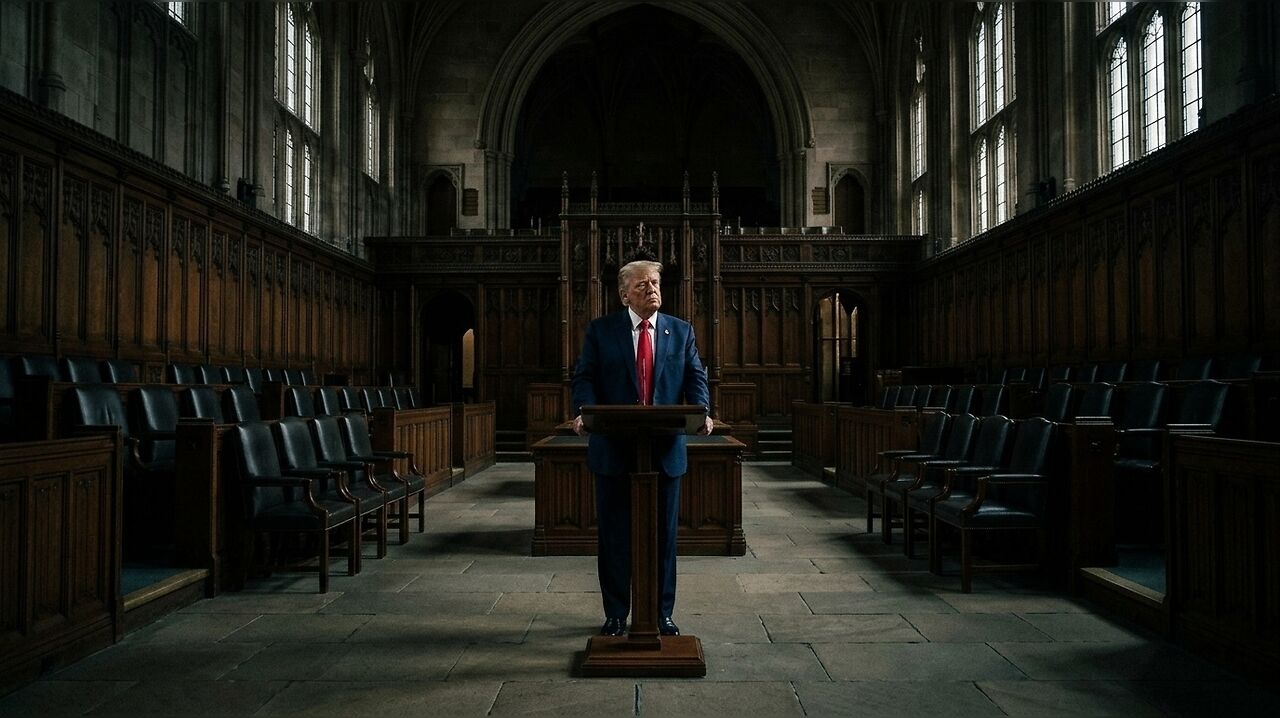
The recent midterm election results in the United States, which saw Democrats secure majorities in both the House and the Senate, have introduced a new layer of uncertainty into international trade relations. As the political landscape shifts, global partners are evaluating whether the outcome will temper the administration's aggressive tariff policies or lead to a more unpredictable approach from the White House in its remaining two years.
While some observers suggest that a weakened domestic position might force a change in strategy, others warn that the administration could become increasingly volatile. The election results, which many voters used to signal dissatisfaction with current economic policies and persistent inflation, have prompted a cautious response from capitals across the globe, where officials are balancing the hope for a more favorable trade environment against the risk of further confrontation.
Navigating Shifting Trade Commitments
For key Asian allies, the political shift in Washington has sparked internal discussions regarding massive investment pledges. Japan and South Korea, for instance, had previously committed to hundreds of billions of dollars in US investments, partly to appease trade demands. Experts suggest that these nations may now feel less pressure to expedite these deals, as the new congressional composition may offer more oversight on such projects. However, analysts also caution that the threat of retaliatory tariffs remains a significant deterrent against any abrupt withdrawal from these agreements.
In South Korea, officials have recently pushed back against claims regarding the funding of specific infrastructure projects, such as the Alaska LNG pipeline. While the South Korean Foreign Ministry maintains that it will continue to engage with the US administration and Congress regardless of the election outcome, the changing legislative environment may provide more breathing room for the review of pending economic commitments.
Global Perspectives on Future Negotiations
The outlook for trade relations with Europe and India remains complex. European officials, who have managed to mitigate some tariff impacts through recent agreements, continue to monitor potential disputes over digital services taxes and state support for the aerospace sector. Meanwhile, India appears to be adopting a more measured approach to its ongoing trade negotiations, signaling that it will only finalize agreements that provide clear competitive advantages.
The dynamic with China is perhaps the most significant, given the expiration of a trade truce in January. While some economists suggest that Beijing may attempt to leverage the administration's reduced political authority, others note that a Democratic-controlled Congress will likely limit the president's ability to offer concessions. There is an expectation that lawmakers will push for stricter controls on technology exports and increased scrutiny of supply chains, particularly in the semiconductor and artificial intelligence sectors. Beijing has officially characterized the midterm results as an internal American matter, stating that it remains committed to managing differences while seeking to expand cooperation with Washington.




