
United States Vice President
The initiative will operate under the framework of the
International Collaboration and Curriculum Development
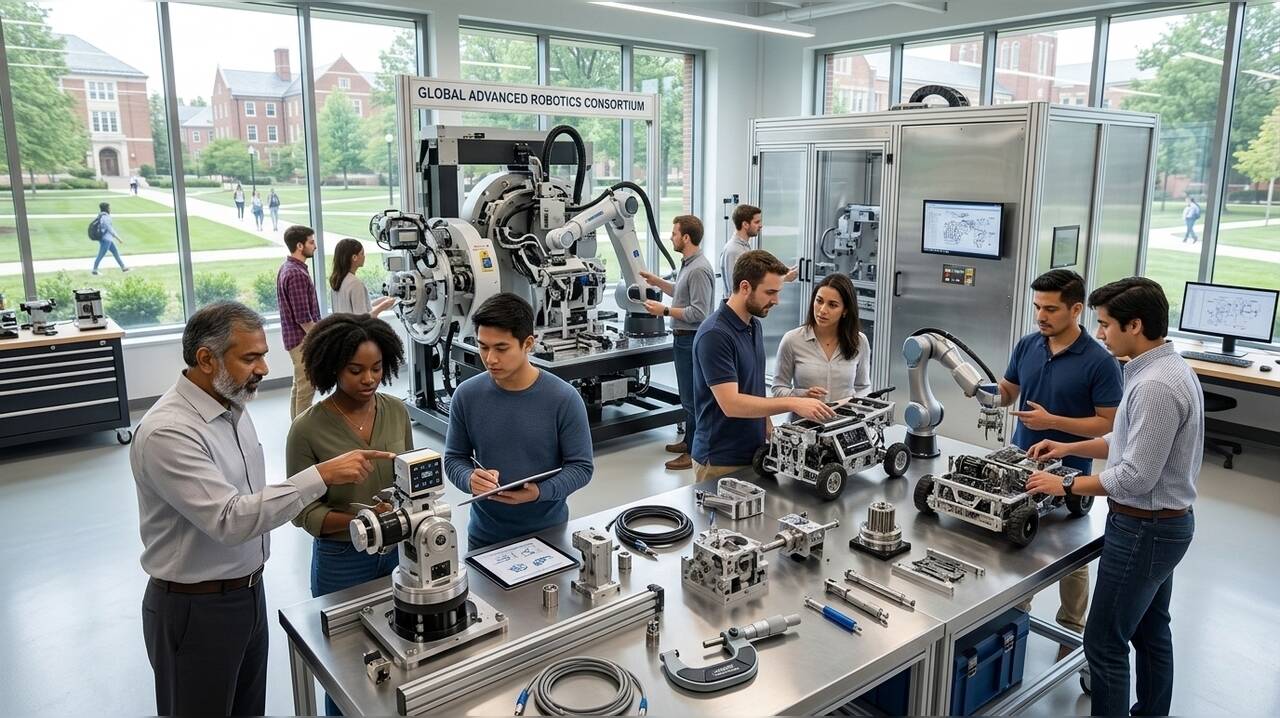
A core component of the Foundry School involves leveraging global expertise to train domestic talent. Founders and CEOs from partner nations, including India, are set to serve as mentors and instructors. The State Department is collaborating with Stanford University to design the curriculum, which will cover critical areas such as industrial automation, precision tooling, modern factory design, supply chain management, and regulatory frameworks.
The programme will be hosted across eight American universities. Initial sessions are scheduled to commence in September 2026 at seven campuses, focusing on foundational aspects of manufacturing and
Strategic Objectives and Partnership Context
The establishment of the Foundry School is presented as a key element of the current administration’s broader reindustrialisation agenda. According to the State Department, the initiative aims to translate recent industrial investments into long-term employment opportunities. By integrating international industry leaders into the training process, the programme seeks to align domestic workforce capabilities with the requirements of modern, high-tech manufacturing sectors.
The Pax Silica partnership, which serves as the umbrella for this training effort, was created to enhance cooperation on critical technologies, including artificial intelligence infrastructure and the security of mineral supply chains. Indian representatives have been active participants in the partnership, including attending the inaugural summit held in Washington DC earlier this year. The State Department has indicated that it is working closely with Congress to facilitate the participation of member economies in the upcoming academic sessions.




