
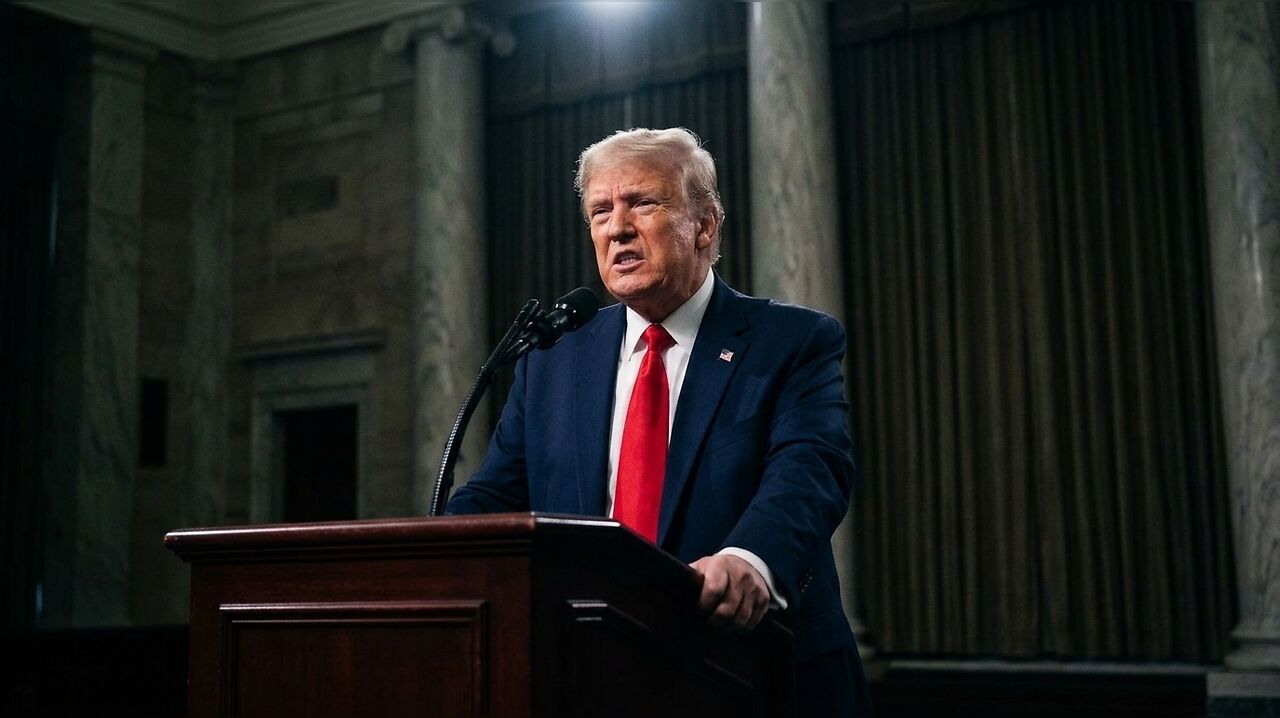
The United States government has announced a series of extensive sanctions against the
The sanctions, which take effect immediately, include the freezing of any assets the court may hold within United States jurisdictions. Furthermore, the administration has mandated that all American companies and individuals currently engaged in business with the ICC must terminate those activities within a six-month window. The announcement arrived shortly after the Nobel Committee awarded the Peace Prize to
Accusations of Politicization and Sovereignty Concerns
In his address, Secretary Rubio accused the tribunal of becoming increasingly politicized, alleging that it seeks to unfairly target American officials and Israeli leaders for prosecution regarding war crimes. Rubio specifically cited concerns that the court intends to pursue legal action against U.S. border patrol personnel and elected officials responsible for national security. He asserted that the United States does not recognize the jurisdiction of the court, stating that the American people are not subject to its authority.
The Secretary of State issued a stark warning to the international community, suggesting that the U.S. expects its allies—many of whom are signatories to the Rome Statute—to intervene and reform the court. Rubio stated that if the institution does not cease its current trajectory, the United States will persist in a campaign to dismantle the organization. He framed the move as a necessary step to protect national interests, declaring that the U.S. would not permit the court to exercise power at the expense of its sovereign rights.
The ICC Response and Defense of Legal Mandate
The International Criminal Court issued a formal response shortly after the announcement, condemning the U.S. measures as an assault on the international legal order. The court stated that the sanctions represent an attempt to intimidate its staff and disrupt its ongoing operations. In a statement, the tribunal emphasized that its mandate is rooted in the principle that no individual or entity is above the law, and it vowed to continue its work with independence and impartiality.
ICC President Tomoko Akane addressed the 125 member states of the court, urging them to uphold the institution they helped establish. The court maintained that its primary focus remains the pursuit of justice for victims of grave crimes, despite the mounting pressure from Washington. As the diplomatic standoff continues, the court signaled that it would not be deterred by the sanctions, asserting that history would ultimately judge the actions taken by the United States against the international judiciary.




