
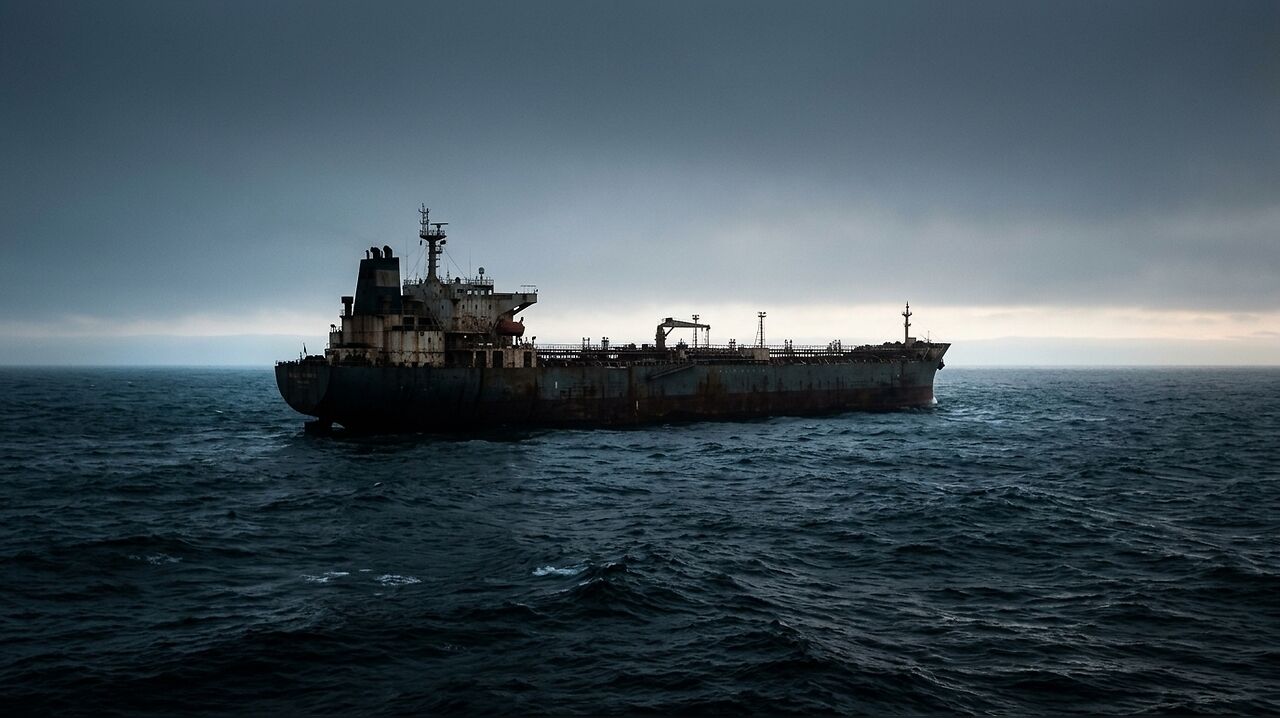
The United States government has launched a significant expansion of its economic pressure campaign against Tehran, targeting an extensive network of companies, individuals, and maritime vessels. The latest measures, announced by the Department of the Treasury, focus on dismantling what officials describe as Iran’s shadow fleet—a collection of tankers used to transport petroleum and petrochemical products to international markets in defiance of existing sanctions.
Treasury Secretary Scott Bessent stated that the action is intended to sever the financial lifelines used by the Iranian regime. According to the Treasury, these designations represent a major effort to neutralize the infrastructure that enables Iran to bypass global restrictions and generate revenue from its oil sector. Officials emphasized that the campaign, known as
Targeting the Shadow Fleet and Global Networks
The sanctions target a diverse array of maritime management companies, shipping operators, and trading firms located across several nations, including China, Turkiye, the United Arab Emirates, the United Kingdom, and the Marshall Islands. The
Specific vessels identified in the action include the Comoros-flagged tanker PARITOSH and the Panama-flagged BITU, both of which were cited for transporting large quantities of bitumen. Other vessels, such as the Panama-flagged STARWAY and the Bahamas-flagged GAS LUCKY, were also named for their roles in moving Iranian naphtha and ethylene. In a related move, the State Department announced separate sanctions against an additional 10 entities, six individuals, and five vessels involved in the petroleum trade.
Enforcement and Future Implications
Under the terms of the sanctions, any property or interests in property belonging to the designated parties that are located within the United States or held by US persons must be blocked. The Treasury warned that foreign financial institutions engaging in transactions with these entities could face secondary sanctions, effectively risking their access to the US financial system. State Department spokesman Tommy Pigott reiterated that the administration is utilizing all available diplomatic and economic tools to isolate the Iranian economy.
While the crackdown is extensive, the Treasury also noted a shift in the status of certain assets. Two vessels, the HAKUNA MATATA and the PINOCCHIO, were removed from the sanctions list after the department determined they had been sold to operators not associated with the Iranian shadow fleet. Officials stated that the primary objective of these measures remains to force a change in behavior, while maintaining that they will continue to monitor and disrupt any further attempts to circumvent international restrictions.




