
Millions of households across the United States are facing a significant financial burden this winter as heating oil prices are projected to climb by as much as 50%. According to estimates from the National Energy Assistance Directors Association, this sharp increase could add approximately $900 to the average family's heating expenses, placing considerable strain on household budgets during the colder months.
Approximately 4.8 million American households rely on heating oil to maintain warmth, with the majority of these residents concentrated in the Northeastern states and Alaska. As global energy markets remain volatile, the rising cost of fuel has created a sense of urgency for families attempting to plan for the upcoming season, with some opting to purchase supplies earlier than usual to hedge against further price hikes.
Market Pressures and Record Costs
The current surge in heating oil prices is closely linked to broader energy market disruptions, including the ongoing conflict in the Middle East and attacks on Russian oil refineries. Because heating oil and diesel share similar market characteristics, the sustained climb in diesel prices—which have recently reached record highs exceeding $6.50 per gallon—has served as a primary indicator for the rising costs of home heating fuel.
In several Northeastern states, heating oil prices have already approached or surpassed $6 per gallon. For many residents, this translates to a cost of nearly $600 for a standard 100-gallon delivery, a figure that represents a substantial increase over historical averages. Chris Herb, president of the Connecticut Energy Marketers Association, noted that the current market environment has caused significant sticker shock among consumers, leading to increased demand for fuel deliveries even as early as September.
Adapting to Rising Energy Expenses
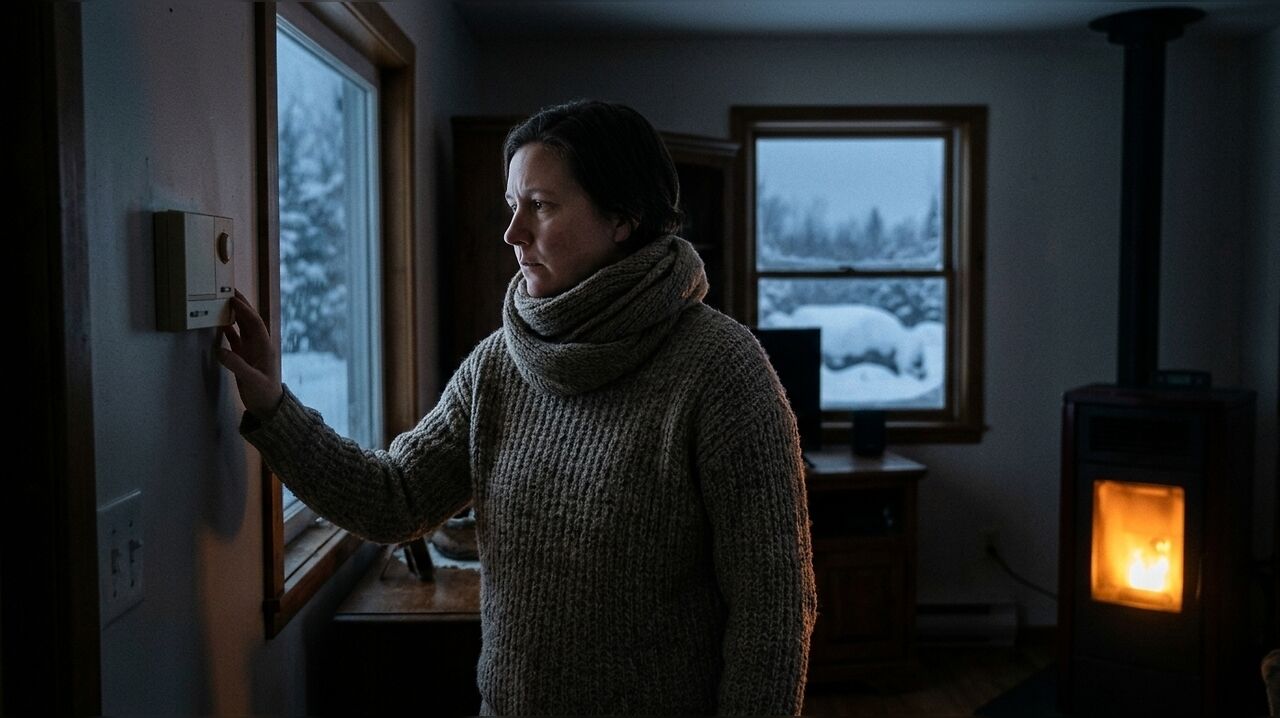
Faced with these costs, many homeowners are reconsidering their energy consumption habits. Strategies being employed include lowering thermostats to minimal levels to preserve fuel, investing in alternative heating sources such as pellet stoves, and prioritizing home weatherization. Experts suggest that basic maintenance, such as heating system tune-ups and improved insulation, could potentially reduce overall heating bills by approximately 10%.
In response to the mounting financial pressure, there is growing political momentum to provide relief to affected families. A bipartisan group of US senators has urged the administration to expedite the release of federal energy assistance funds, specifically through the Low Income Home Energy Assistance Program. Additionally, senators from Maine have formally requested that the government tap into the one-million-barrel federal emergency heating oil reserve to help stabilize costs for consumers. While various state and federal programs remain available to assist low-income households, concerns persist regarding whether current funding levels will be sufficient to meet the needs of those facing record-high energy expenditures.




