
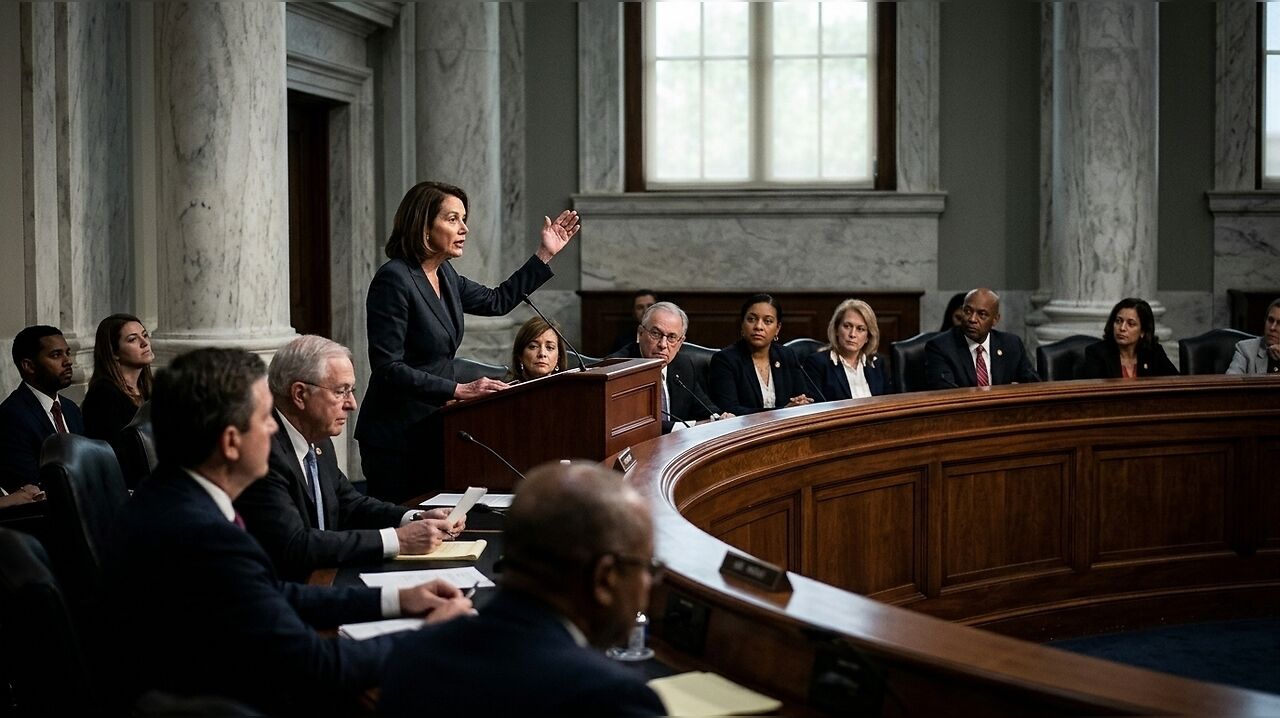
A legislative proposal introduced in the United States House of Representatives aims to significantly increase the financial and administrative penalties for companies found in violation of
The proposed legislation seeks to escalate the consequences for serious infractions, with the maximum fine for such violations rising from the current $35,000 to $250,000. Additionally, the bill would extend the duration of potential bans for non-compliant employers, increasing the minimum exclusion period from three years to 10 years. These measures are intended to serve as a stronger deterrent against the misuse of the visa system and to bolster protections for the domestic workforce.
Proposed Changes to Penalty Structures
The legislation outlines a comprehensive increase in punitive measures across several categories of visa-related misconduct. For secondary categories of violations, the bill proposes raising fines from $5,000 to $100,000, while simultaneously extending the minimum exclusion period from two years to five years. The proposal also targets fraudulent documentation, with fines for such activities set to increase from the current range of $250 to $2,000 to a new range of $1,000 to $10,000. A separate tier of existing fines, currently between $2,000 and $5,000, would be adjusted to between $20,000 and $50,000.
Representative Van Duyne has stated that these enhanced financial penalties are essential to discourage employers from intentionally circumventing H-1B requirements. The initiative has garnered support from five other Texas Republican lawmakers, including Brandon Gill, Pete Sessions, Keith Self, Brian Babin, and Pat Fallon, who are listed as cosponsors. The bill has been referred to the House Judiciary Committee for further review and must secure approval from both the House and the Senate, followed by a presidential signature, before it can be enacted into law.
Context of H-1B Programme Oversight
The introduction of this bill coincides with a wider series of efforts to modify the H-1B programme. Previous administrative actions have included attempts to implement a $100,000 payment requirement for certain H-1B workers, a measure that was invalidated by a federal judge in June and is currently subject to an appeal. The Department of Homeland Security has also proposed an additional $103,265 fee for specific cap-subject H-1B petitions.
Beyond financial adjustments, current policy discussions have also focused on the selection process for visa applicants and the potential removal of a provision that currently allows foreign workers a 60-day grace period to remain in the country following the termination of their employment. These ongoing developments reflect a sustained focus on the regulatory framework governing the recruitment of foreign labour in the United States.




