
The planet is on a trajectory to surpass the critical 1.5 degree Celsius warming threshold established by the Paris Agreement within the coming years, according to a new report from the United Nations Environment Programme (UNEP). Even under an optimistic scenario where nations fully implement their current climate pledges and meet net-zero targets, the report projects a peak temperature rise of 1.8 degrees Celsius above pre-industrial levels.
This projected overshoot carries significant environmental risks, including accelerated sea-level rise, the potential collapse of vital ecosystems like coral reefs, and an increase in the frequency of extreme heatwaves and wildfires. The report highlights that exceeding this limit could trigger irreversible tipping points in global systems, such as the Greenland and West Antarctic ice sheets, the Amazon rainforest, and the Atlantic Meridional Overturning Circulation, which would fundamentally alter the global climate.
The Consequences of Climate Overshoot
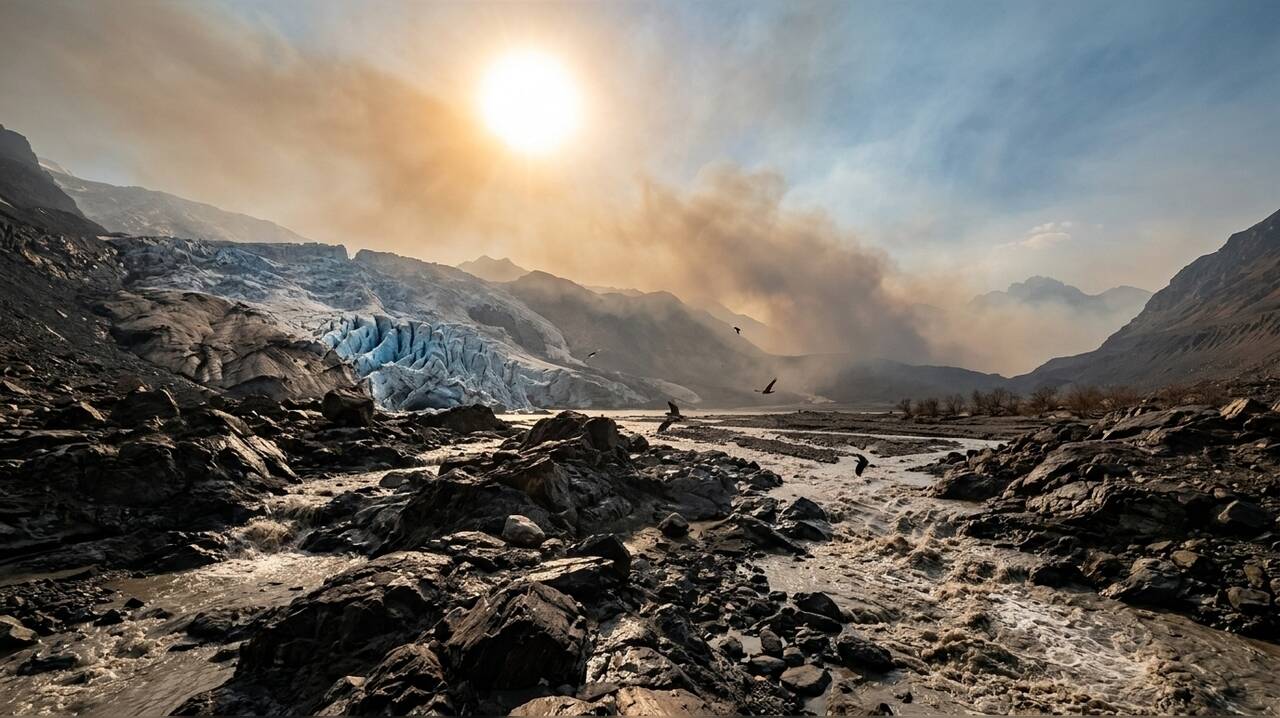
The environmental impact of such warming is already becoming visible. The report notes that glaciers could lose more than a quarter of their mass by 2100, a development that would raise sea levels by 9 to 12.5 centimeters and disrupt water availability for many regions. These findings follow recent climate-related disasters, such as the glacier collapse in Nepal and Tibet that triggered devastating flash floods.
UNEP Executive Director Inger Andersen emphasized the urgency of the situation, stating that there are no positive outcomes associated with remaining above the 1.5-degree mark. She urged nations to accelerate climate action by cutting
Closing the Ambition and Implementation Gaps
The report identifies a significant disparity between the climate goals countries have set and the policies currently in place to achieve them. While the most recent national climate pledges, if fully implemented by September 2025, might lead to a slight reduction in greenhouse gas emissions from 2024 record levels, they remain insufficient to meet the Paris Agreement targets. Furthermore, current policies suggest that global emissions will remain largely stable through 2030 rather than declining.
To mitigate these risks, the UNEP suggests an "overshoot, peak, and decline" strategy. This approach requires immediate and sustained cuts to greenhouse gas emissions, including methane, alongside the use of Carbon Dioxide Removal technologies—such as afforestation—to eventually lower global temperatures. UN Secretary-General Antonio Guterres echoed these concerns, calling for an "overshoot of ambition" to ensure that the period spent above the 1.5-degree limit is kept to an absolute minimum.




