
President
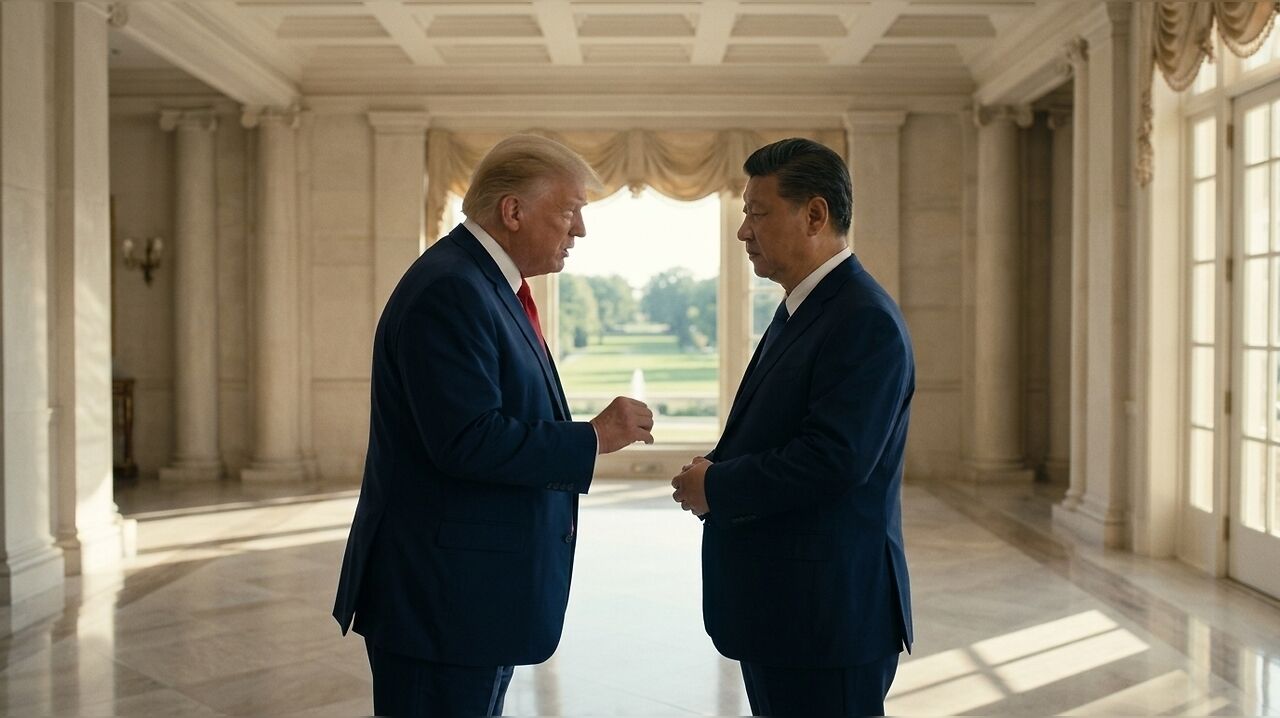
In recent remarks, Trump has described the Chinese leader as a “great gentleman” and emphasized the strength of their personal rapport. This diplomatic pivot comes as the two nations remain locked in a broader, systemic competition for global influence, spanning sectors from artificial intelligence to advanced manufacturing and electric vehicle production.
A Shift from Confrontation to Personal Diplomacy
The transition in Trump’s strategy follows the limited success of his earlier efforts to curb Chinese economic influence through high-level tariffs and export restrictions. Analysts suggest that the administration’s initial attempts to exert pressure were met with effective counter-leverage from Beijing, particularly regarding China’s control over rare earth minerals essential for electronics. Consequently, the current administration appears to be prioritizing personal diplomacy over the more combative stance that characterized Trump’s earlier political campaigns.
This change in direction has drawn scrutiny from experts who argue that the administration’s focus on personal optics may be undermining broader strategic alliances. Michael Kovrig, a senior adviser at the International Crisis Group, noted that Trump’s strained relationships with traditional allies in Europe and North America have inadvertently created space for Beijing to position itself as a more stable global power. According to Kovrig, this dynamic has encouraged other Western leaders to seek their own stabilization efforts with Beijing to navigate the complexities created by current U.S. foreign policy.
Economic Realities and Future Competition
Despite the warmer diplomatic climate, the underlying economic tensions remain significant. While the U.S. trade deficit in goods has seen a decline relative to 2025 figures, officials acknowledge that Chinese exports are increasingly being routed through third-party nations to circumvent existing tariffs. Meanwhile, China continues to maintain a substantial
The administration is now focusing on domestic investment, particularly in artificial intelligence, which Trump has identified as a critical economic engine. However, concerns persist regarding the security of these technologies, with allegations that Chinese firms have utilized U.S. models for training purposes. Attorney General Todd Blanche recently signaled a cautious approach, suggesting that labeling China as a “bad actor” in the AI space may be an oversimplification.
As the state visit approaches, observers like Evan Medeiros, a professor at Georgetown University, suggest that the event may lack concrete policy “deliverables.” Instead, the primary objective appears to be the maintenance of the personal relationship between the two leaders. Critics argue that this focus on interpersonal dynamics may be insufficient at a time when the United States faces mounting pressure to sharpen its competitive edge across multiple geopolitical fronts.




