
President
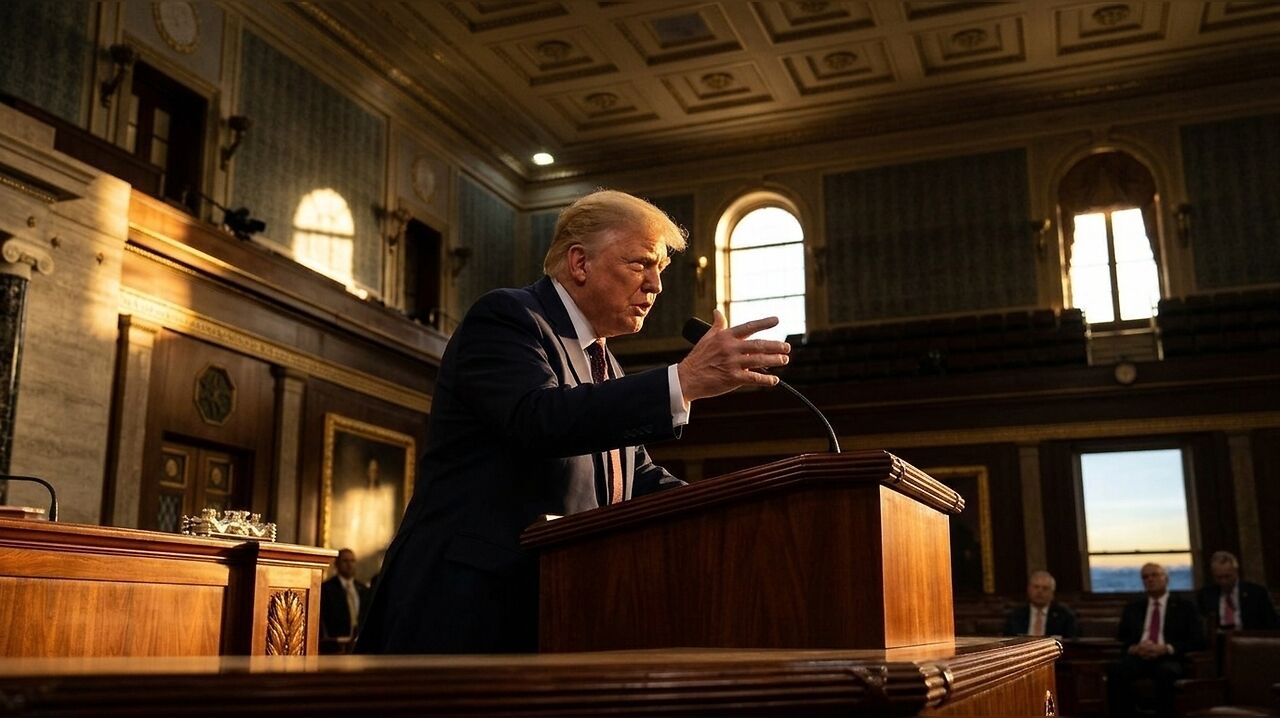
In a recent statement posted to social media, Trump expressed frustration over the early onset of darkness during the winter months, describing the current system of
Legislative Status and Congressional Debate
The Sunshine Protection Act of 2025, which seeks to make daylight saving time the permanent standard across the country, cleared the House on July 14 with a vote of 308-117, reflecting significant bipartisan support. Following its passage in the lower chamber, the bill was transmitted to the Senate and referred to the Senate Commerce, Science, and Transportation Committee. Despite the momentum in the House, the legislation has yet to receive a floor vote or final approval in the Senate.
The proposal has sparked a broader debate regarding the potential societal and health impacts of ending the seasonal time shift. Proponents of the legislation argue that permanent daylight saving time would provide extended evening light, which they suggest would benefit commercial sectors and recreational activities while removing the disruptions associated with changing clocks twice a year. Conversely, the initiative has encountered resistance from those concerned about the implications for winter mornings. Critics, including Senator Tom Cotton of Arkansas, have pointed to the potential risks for commuters and students who would be required to travel in darkness during the early morning hours. Furthermore, the American Academy of Sleep Medicine has weighed in on the discussion, advocating for the adoption of permanent standard time rather than daylight saving time, citing concerns that the latter may conflict with the human body's natural circadian rhythms.




