
President
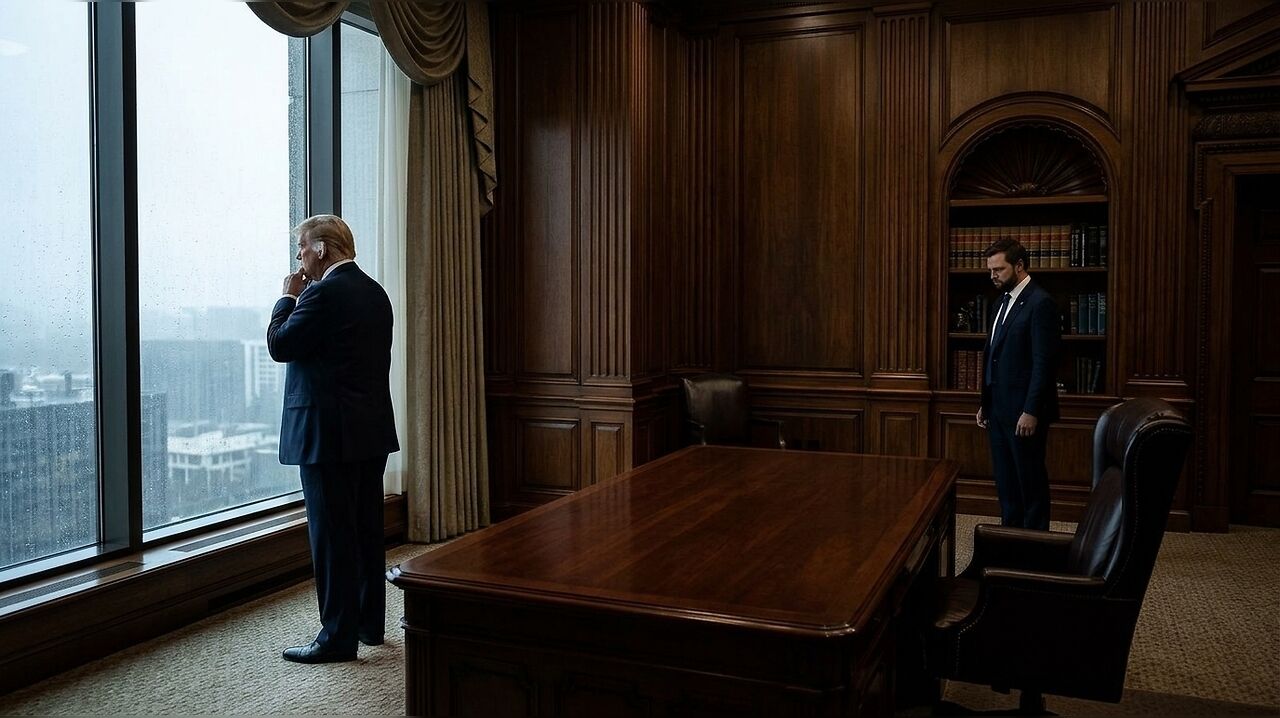
When asked about the possibility of a Vance presidential bid, Trump remained non-committal, noting that the political landscape remains fluid. While stating that he and his vice president discuss a wide range of topics, Trump suggested that it is currently unclear who might enter the race for the next election cycle, remarking that there could be many candidates or perhaps none at all.
Internal Disagreements Over Midterm Performance
The uncertainty surrounding Vance’s political future follows a rare public rift between the president and his deputy. In the wake of the midterm results, which saw Democrats flip several traditionally Republican strongholds, Vance took to social media to attribute the party's poor performance directly to the administration’s ongoing military conflict with Iran. In a detailed post, the vice president argued that voters who supported the administration in 2024 were alienated by the war, rising energy costs, and a perceived departure from the original “America First” platform.
Vance, who had been tasked by Trump to lead peace negotiations with Iran, explicitly challenged the political cost of the conflict. He suggested that the loss of the Senate for the next six years was a consequence of the administration's foreign policy decisions. Despite his public defense of the war in the past, Vance’s recent comments highlighted his long-standing opposition to the military engagement.
President Trump, however, maintained his justification for the conflict, asserting that military action against Iran was a necessary measure to prevent the country from acquiring nuclear weapons. While the president conceded that the war and a short-term spike in gasoline prices contributed to the Republican electoral setback, he insisted that his actions would be viewed as historically significant. Trump also noted that he was aware of Vance’s position on the matter, describing the vice president’s recent critique as an “honest” expression of his views.
Shifting Political Alliances and Future Strategy
Beyond the immediate fallout of the midterms, reports indicate that Vance is actively working to cultivate a “new right” coalition. This effort reportedly involves reaching out to voters who feel disconnected from the current administration’s trajectory. According to sources familiar with the situation, Vance is developing a distinct political message that emphasizes a shift in foreign policy, specifically regarding the administration's diplomatic approach to Israel, alongside a renewed focus on domestic economic concerns and border security.
The midterm results, which included Democratic victories in states such as Texas, Kansas, and South Carolina, have prompted a period of reflection within the




