
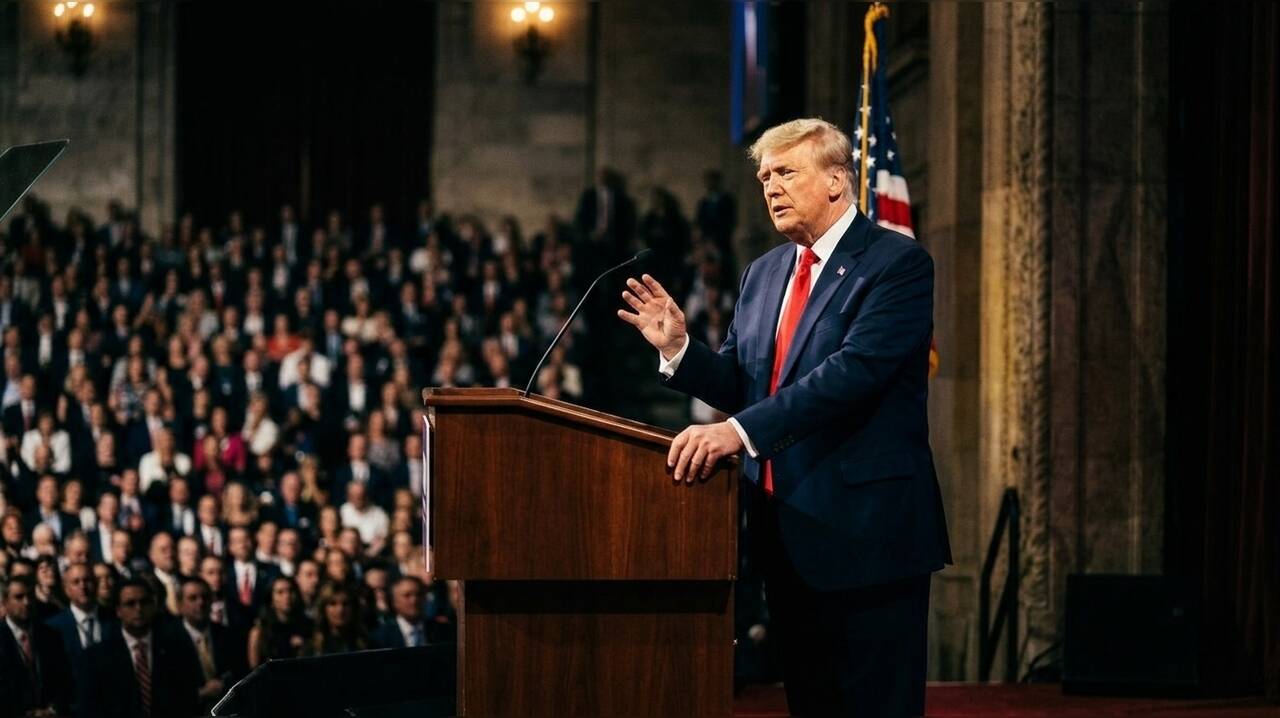
President
While the president framed the potential payment as a reflection of the strength of the United States economy, the proposal remains a campaign promise rather than an established federal program. The initiative would require formal legislation and approval from Congress before any funds could be distributed to the public. As of now, no specific details regarding eligibility criteria or the precise source of funding for the estimated $1.2 trillion program have been finalized.
Legislative Hurdles and Economic Concerns
The path to implementing the proposed dividend is complicated by significant political and economic obstacles. Senate Majority Leader John Thune noted that securing the necessary votes for such a measure remains an open question, stating that lawmakers would address the issue only if the legislative process reaches that stage. Ohio Senator Bernie Moreno has indicated an intent to draft legislation to facilitate the proposal, yet the plan has encountered immediate pushback from across the political spectrum.
Democratic lawmakers have been particularly vocal in their opposition. Representative Jamie Raskin characterized the proposal as a “political bribe,” while Representative Dan Goldman described the pledge as “corrupt and blatantly illegal.” Within the Republican party, concerns have also been raised regarding the fiscal impact of the plan. Senator Susan Collins of Maine questioned the lack of income limits and the potential for excessive government spending, emphasizing that economic policy should be dictated by national needs rather than election outcomes. Florida Governor Ron DeSantis also cautioned that such payments could exacerbate government debt and contribute to inflationary pressures.
Historical Context and Alternative Programs
The proposal follows a series of previous discussions regarding direct payments to Americans during the current administration. In late 2025, military personnel received $1,776 “Warrior Dividend” bonuses, though these funds were sourced from existing military housing budgets rather than new revenue. Other initiatives, such as proposed $2,000 tariff-based dividend checks and a separate $5,000 “DOGE” dividend, were discussed but did not materialize.
Separately, the White House has announced a distinct program involving $500 refunds for approximately 1 million Americans who purchased health insurance through the Healthcare.gov marketplace. These payments, scheduled for October, are described by the administration as refunds of excess fees collected from health insurers that were previously passed on to consumers as higher premiums. Unlike the proposed $5,000 dividend, this refund program is already established. Given the lack of a confirmed funding mechanism or legislative framework for the $5,000 proposal, experts suggest that Americans should not anticipate these payments before the November 3 midterm elections.




