
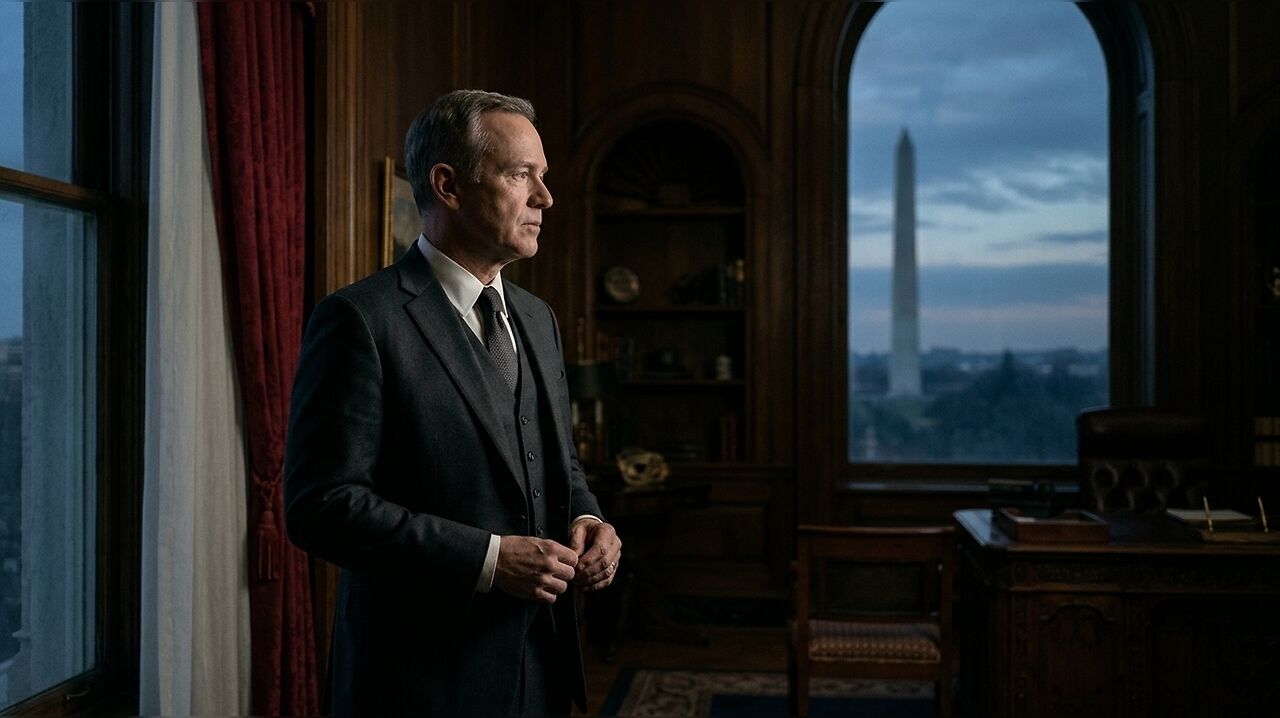
The White House issued a defiant message on Wednesday, posting an image of President
The electoral setback has triggered intense political scrutiny of the current administration, particularly regarding its foreign policy and the ongoing military engagement with Iran. President Trump acknowledged that the conflict has influenced voter sentiment, aligning himself with an assessment previously offered by Vice President
Addressing the Impact of the Iran Conflict
When questioned about Vice President Vance’s suggestion that the war with Iran was a primary factor in the Republican defeat, President Trump characterized the assessment as "largely true." He noted that the conflict contributed to short-term increases in gasoline prices, which likely affected voter support at the polls.
Despite the electoral consequences, the President defended the military campaign as a strategic necessity. He argued that the intervention was essential to prevent Tehran from developing nuclear weapons, stating that he would pursue the same course of action again if required for long-term security. Trump further attributed voter dissatisfaction to the broader economic impact of rising fuel costs, noting the recent resumption of oil flows through the Strait of Hormuz.
Internal Assessment and Electoral Dynamics
While the President focused on the economic ripple effects of the war, Vice President Vance had previously identified the conflict as the central driver of the party's poor performance. According to Vance, internal polling data highlighted significant voter concerns regarding the administration’s "America First" agenda, the ongoing war, domestic inflation, and the current state of US relations with Israel.
President Trump also addressed the disconnect between his personal popularity and the performance of other Republican candidates. He suggested that the high levels of enthusiasm observed at his campaign rallies did not translate into votes for other party nominees. The President asserted that had he been on the ballot himself, the electoral outcome would have been different, arguing that the personal support he receives cannot be easily transferred to other candidates.




