
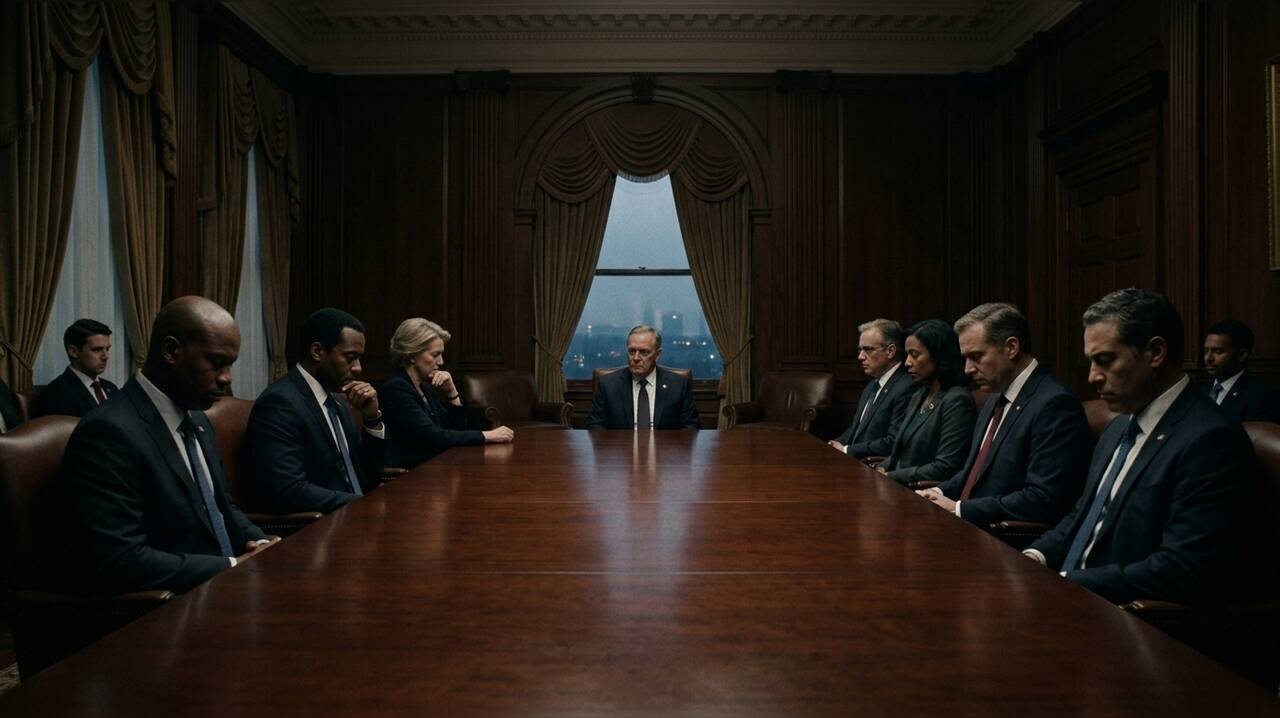
Senior aides to President
While officials maintain that the administration remains focused on its long-term objectives, the current approach is designed to keep the situation contained. Sources indicated that the White House may reconsider its military posture following the vote, though a return to full-scale hostilities remains uncertain. The administration’s current focus centers on tightening
Political and Logistical Constraints
The push for a more restrained approach comes as the conflict enters its seventh month, with internal polling suggesting that the war is unpopular among American voters. Recent data indicates that approximately 63% of the public disapproves of the conflict, with concerns over rising gas prices contributing to voter dissatisfaction. For the administration, keeping the war out of the headlines is seen as a way to protect thin Republican majorities in both the House and the Senate.
Beyond political considerations, the U.S. military faces significant logistical hurdles. Reports suggest that the armed forces have exhausted a substantial portion of their precision missile stockpiles. Military leadership has reportedly warned that the current pace of the war is unsustainable and could undermine readiness in other global theaters. Despite these assessments, the Pentagon has publicly stated that it possesses the necessary resources to carry out its missions.
Escalation Risks and Economic Strategy
The strategy of containment faces persistent challenges as both nations continue to exchange tit-for-tat strikes. Recent U.S. actions, including a strike on rocket launchers on Larak Island, were met with missile fire from Iran toward the United Arab Emirates and Jordan. Analysts suggest that Iran remains likely to continue targeting U.S. and allied interests in the Gulf, which could force the White House into a retaliatory cycle regardless of its preference for a quieter period.
President Trump has publicly stated that the election cycle is not influencing his administration's Iran policy. However, he has also warned that any Iranian retaliation for recent U.S. strikes would be met with a significant response. Meanwhile, the administration has pivoted toward an intensified economic isolation campaign. Treasury Secretary Scott Bessent noted that while this pressure is intended to bring Iran to the negotiating table, it carries the risk of provoking further military lashing out from Tehran. The effectiveness of this economic strategy remains a point of debate, particularly as major powers like China have declined to participate in the U.S.-led isolation efforts.




