
The
Since the inception of the awards in 1901, the Nobel organisation has maintained a tradition of celebrating laureates through a series of bespoke gifts and ceremonial events. These honours serve to cement the recipient's place in history, ensuring that their achievements are documented within an authoritative public record that spans more than a century of intellectual and humanitarian progress.
Ceremonial Traditions and Artistic Recognition
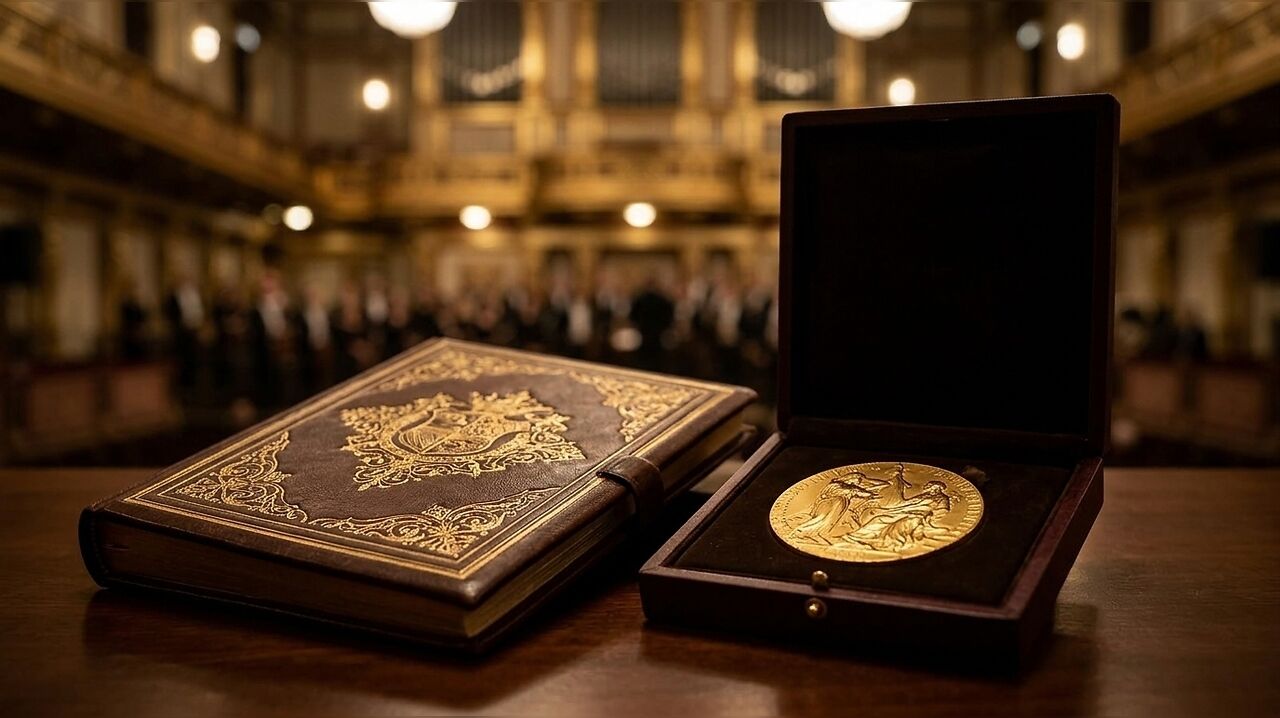
A central component of the Nobel experience is the presentation of a unique, handmade diploma for each recipient. Unlike standard certificates, these are commissioned works of art designed by Swedish and Norwegian calligraphers and artists. Each diploma is tailored to the specific laureate and is presented in a hand-tooled goatskin leather cover, with the colour of the binding corresponding to the recipient's field of study—such as dark blue for physics or red for chemistry—and housed in a handcrafted, suede-lined box.
The formal presentation of these items occurs on December 10, the anniversary of
Lifelong Prestige and Global Engagement
Beyond the immediate ceremony, the Nobel Prize grants recipients entry into an elite, lifelong network of global thinkers. This status frequently leads to invitations to participate in international symposia, advisory roles, and educational events. This network is designed to facilitate the exchange of ideas, allowing laureates to engage directly with students and the public.
As part of the annual Nobel Week, recipients are provided with a platform to discuss the work that earned them the honour. Through public lectures and conversations, laureates are encouraged to share their insights, fostering dialogue on critical issues in science, literature, and peace. This ongoing engagement ensures that the influence of a Nobel laureate continues long after the initial announcement, as their biographical details, motivations, and contributions remain permanently archived in the organisation's authoritative database.




