
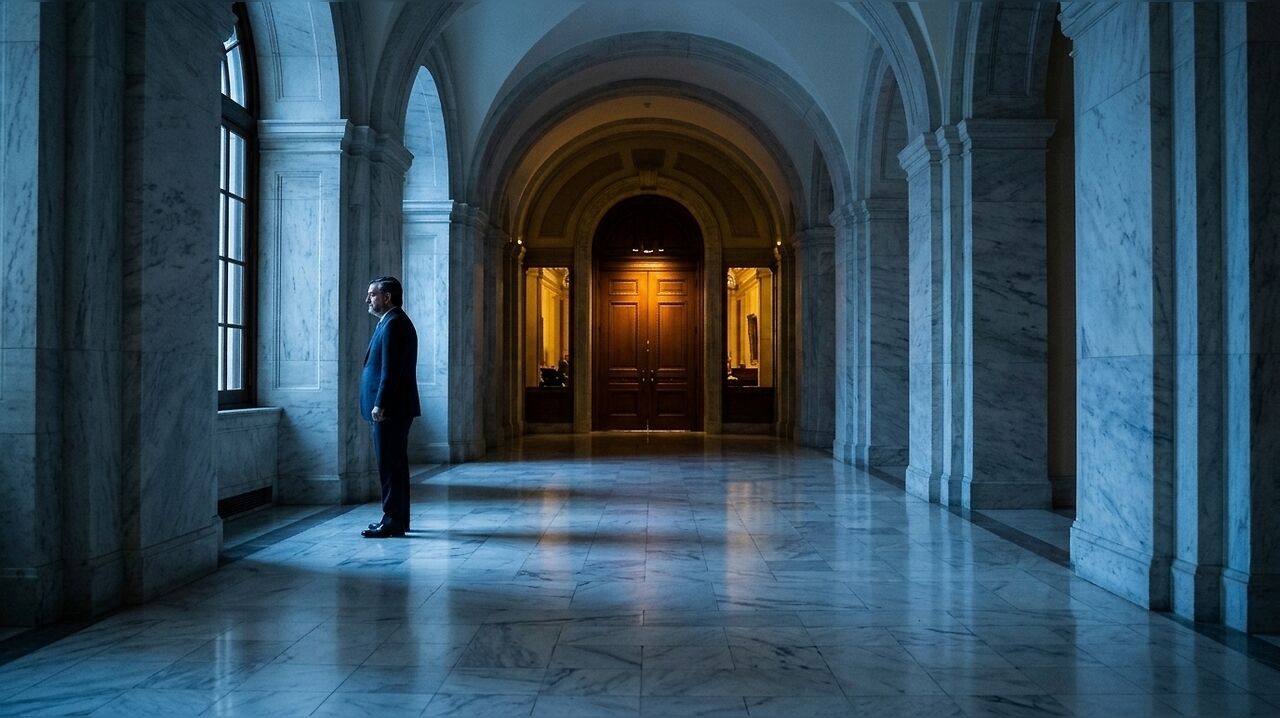
Republican Senator
Cruz’s assessment highlights the prospect of a high-stakes confrontation between the White House and Capitol Hill should Democrats secure a majority in both chambers. According to the senator, the shift in power would grant the opposition the ability to issue subpoenas, compelling testimony and the production of documents related to administration policies and controversies. This, he argued, would set the stage for a sustained period of oversight that could dominate the final two years of the current presidential term.
Prospects of Impeachment and Judicial Obstruction
Beyond standard oversight, Cruz predicted that the House of Representatives would likely pursue impeachment proceedings against President Trump, potentially on multiple occasions. While the House holds the constitutional authority to initiate impeachment, the senator acknowledged the significant procedural hurdles involved in a conviction, which requires a two-thirds majority in the Senate. Nevertheless, he suggested that the political momentum within the
The senator also pointed to the immediate future, suggesting that Defense Secretary Pete Hegseth could face impeachment efforts during the upcoming lame-duck session. This period, which occurs between the conclusion of an election and the swearing-in of a new Congress, remains a point of concern for the administration as outgoing lawmakers retain their legislative powers.
Furthermore, Cruz warned that a Democratic-controlled Senate could effectively paralyze the judicial appointment process. He specifically noted that the opposition might block confirmation proceedings for federal judges, potentially leaving any vacancies on the Supreme Court unfilled for the remainder of the presidential term. Under the current constitutional framework, the Senate plays a critical role in confirming judicial nominees, and a change in leadership would grant the majority party significant leverage to stall or reject presidential selections.
Partisan Pressures and Legislative Dynamics
Cruz attributed this anticipated confrontational approach to the influence of the Democratic party’s political base, which he characterized as increasingly radicalized. He argued that lawmakers would face significant pressure from their constituents to prioritize aggressive oversight and opposition over legislative compromise with the Republican administration.
While the prospect of a Democratic majority in Congress would grant the party substantial tools to challenge the White House—ranging from investigative committees to the power of the purse—the senator’s comments remain a projection of political strategy rather than a confirmed course of action. The actual impact of such a shift would depend on the specific margins of control and the willingness of lawmakers to engage in prolonged partisan battles. As Washington prepares for a potential change in congressional leadership, the rhetoric from both sides underscores the deepening divide that continues to shape the national political agenda.




