
The Sri Lankan government has moved to clarify the scope of recent
Foreign Ministry spokesman Thushara Rodrigo confirmed that the US policy, announced on August 24, applies universally. Under these guidelines, any individual or entity found to be providing services to vessels sanctioned by the United States risks losing access to the American financial system. Rodrigo emphasized that these regulations are not unique to
Context of the Maritime Situation
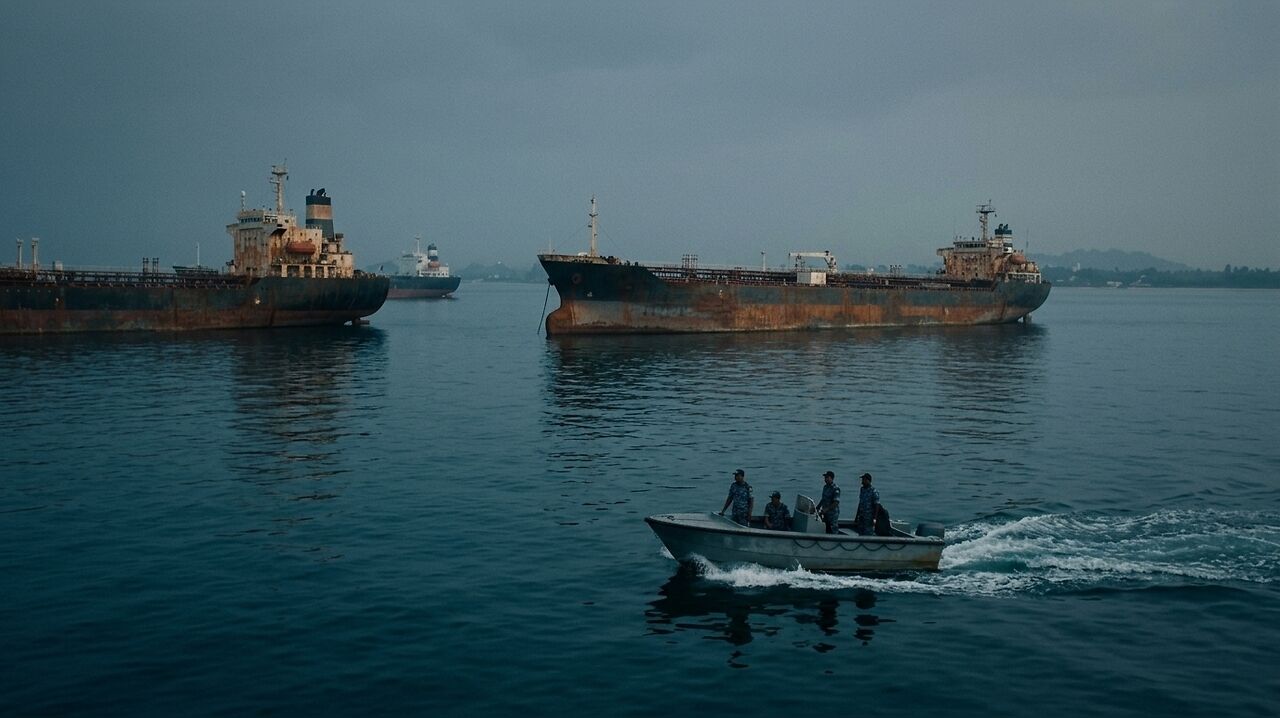
The clarification comes in the wake of reports indicating that approximately 20 empty Iranian tankers have been anchored roughly 24 kilometres off Sri Lanka's southwestern coast. According to these reports, some of the vessels have been struggling with shortages of essential supplies, including fuel, food, and fresh water. While the US Embassy in Colombo reportedly informed the Sri Lankan government in August that it was monitoring 19 of these tankers, Sri Lankan authorities have maintained that the ships are positioned outside the country's 12-nautical-mile territorial waters.
The presence of these tankers is reportedly linked to broader disruptions in the transport of Iranian crude oil to Asian markets, particularly China. The vessels are said to have previously operated in waters near Malaysia, where cargo transfers occurred before the oil was transported to Chinese refineries. However, recent shifts in maritime movements have left several of these ships stranded in Asian waters.
Diplomatic and Security Engagement
In addition to the warnings regarding secondary sanctions, the United States has engaged in capacity-building efforts with Sri Lankan officials. Between September 9 and 11, the US Embassy in Colombo hosted a three-day training programme for more than 40 local officials. The curriculum focused on identifying and responding to maritime sanctions evasion, including techniques used to conceal illicit activities such as the manipulation of vessel identification systems.
The US Embassy stated that the training was designed to bolster Sri Lanka's ability to detect maritime activities that could threaten US security interests and global commerce. Meanwhile, local shipping companies have reportedly encountered challenges in obtaining the necessary approvals to provide basic provisions to the stranded tankers, citing concerns over the potential for triggering US secondary sanctions. Sri Lankan authorities continue to monitor the situation as the vessels remain in international waters.




