
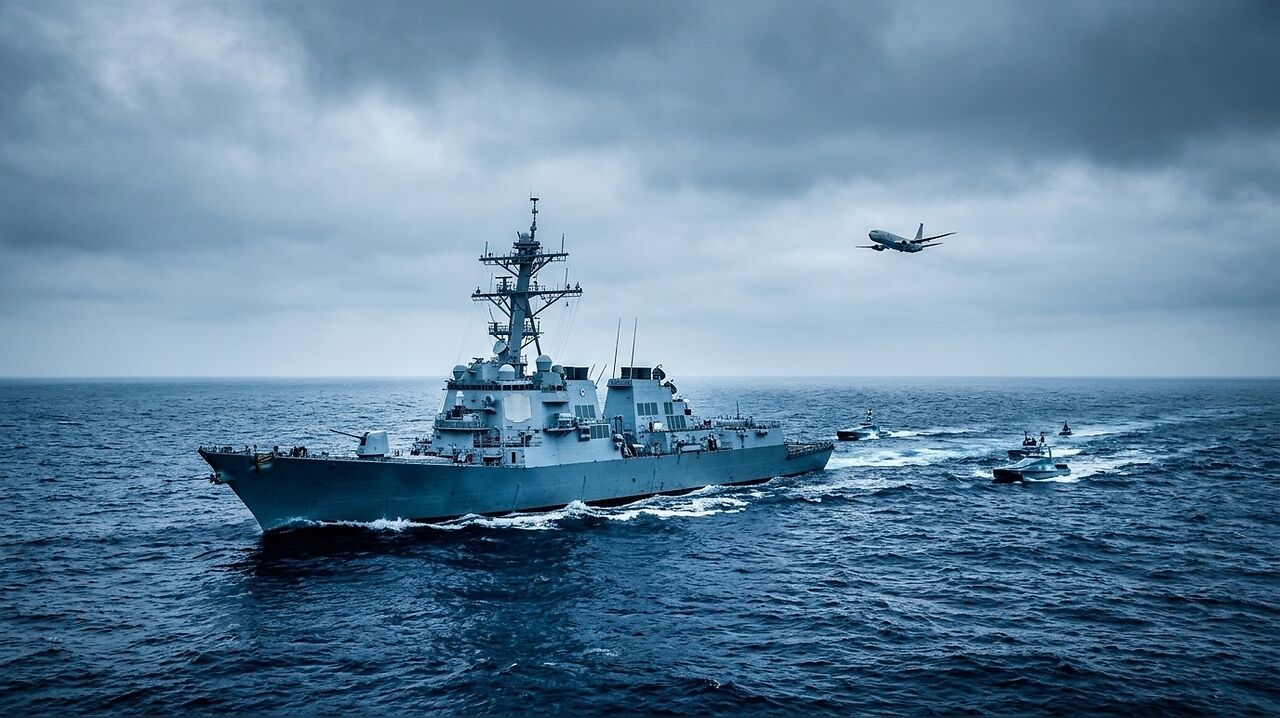
The government plans to broaden the operational scope of its existing Cheonghae anti-piracy unit, which currently operates off the coast of Somalia in the Gulf of Aden. According to reports, the expanded mission will involve a destroyer, a P-8 maritime patrol aircraft, and a suite of advanced equipment, including unmanned surface and underwater vessels. The extension of the unit’s deployment, which is currently authorized through the end of the year, will require formal approval from the South Korean parliament.
Operational Constraints and Diplomatic Stance
A defence ministry official, speaking on condition of anonymity, emphasized that the deployment is strictly for non-combat purposes. The official stated that the unit will function independently of any allied forces, focusing solely on the protection of South Korean citizens and economic interests. To mitigate potential diplomatic friction, the ministry has placed strict geographical and operational limitations on the mission. Operations will be confined to open waters south of Oman, and the patrol aircraft are explicitly prohibited from monitoring or targeting Iranian territory, territorial waters, or the interior of the Strait of Hormuz.
This decision follows repeated assurances from Seoul regarding its stance on the regional conflict. President Lee Jae Myung has consistently maintained that South Korea will not participate in military intervention, citing a policy of non-involvement. Despite these assurances, Tehran has previously issued warnings to Seoul regarding any potential military presence in the area. The ministry’s latest announcement underscores the government's attempt to balance the protection of its energy supply chain with its commitment to avoiding direct involvement in the hostilities.




