
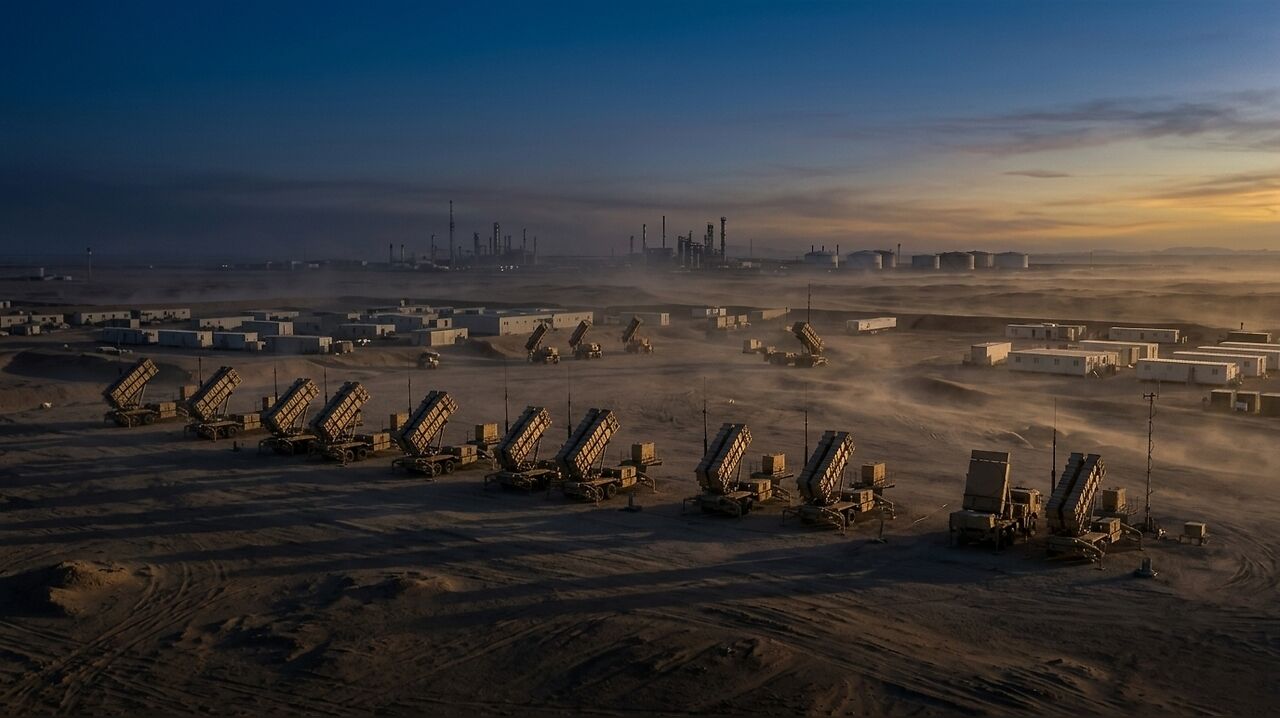
The outreach follows reports that Saudi Arabia is experiencing a depletion of its own missile interceptor stockpiles. One official noted that the kingdom’s primary security partner, the United States, is currently unable to provide the necessary volume of interceptors due to its own supply constraints following six months of conflict with Iran. Saudi authorities have not yet provided an official response to requests for comment regarding these diplomatic efforts.
Regional Security Strains and Diplomatic Efforts
The security situation in the kingdom has become increasingly precarious, with the Houthis recently accused of attempting a drone strike on Mecca. Saudi officials have designated the city a red line, confirming they intercepted the device. The Houthi movement has denied targeting the site, which is located approximately 1,100 kilometers from the Yemeni border. This incident has heightened regional tensions, prompting expressions of solidarity from various nations, though no concrete military commitments have been announced.
Beyond the direct threat to its territory, Saudi Arabia is grappling with the economic impact of the conflict. A key oil pipeline remains offline following an attack by militias in Iraq, and Houthi activity in the Red Sea and the Bab el-Mandeb Strait continues to threaten maritime traffic. While oil prices remain above $100 per barrel, the kingdom is under significant pressure to protect its energy facilities, which are vital to global supply chains.
Diplomatic channels remain active, with officials suggesting that a collective response is being considered. However, there is a concurrent push to prioritize de-escalation, with Egypt and Oman reportedly leading efforts to mediate. Recent meetings between U.S. and Houthi representatives in Oman underscore the ongoing attempts to manage the regional crisis through dialogue.
International Response and Military Context
The United Kingdom has acknowledged its long-standing defense partnership with Riyadh, though officials declined to confirm whether a specific request for military aid had been received or if British personnel were currently deployed in the region. Similarly, while Turkey and Pakistan have expressed support for Saudi Arabia, officials from both nations stated that no formal request for military intervention has been processed.
The United States continues to maintain a presence in the region, with U.S. military officials confirming the existence of a task force dedicated to intelligence sharing and planning support for Saudi forces. Meanwhile, the Houthis have claimed the downing of a Saudi-led coalition F-15 fighter jet over Yemen’s Marib province, though this assertion remains unverified. As global powers, including China, call for restraint and the restoration of stability in critical waterways like the Strait of Hormuz, the path toward a resolution remains uncertain.




