
The historic
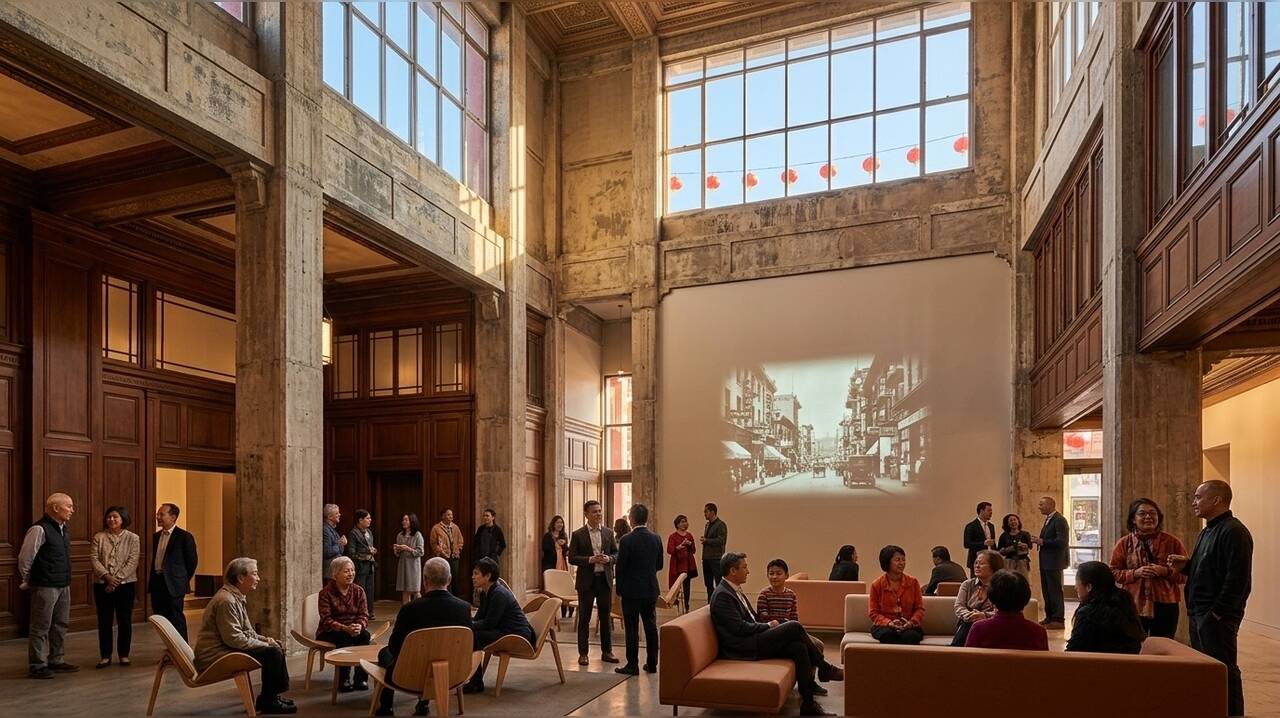
To celebrate the acquisition, the collaborative hosted a public open house titled "The Empress Re-Imagined." The event provided local residents and visitors with their first opportunity to step inside the iconic structure in ten years. The building, which was originally constructed in 1966, served as a central gathering place for generations before its closure in 2016. By securing the site, the coalition intends to protect the neighbourhood’s cultural heritage and prevent commercial displacement, ensuring the space remains dedicated to public and community use.
A Collaborative Vision for Cultural Preservation
The Chinatown Media and Arts Collaborative was established in 2017 with the explicit goal of placing property control directly into the hands of local cultural institutions. The alliance comprises the Angel Island Immigration Station Foundation, the Chinese Culture Foundation of San Francisco, the Chinese Historical Society of America, the Center for Asian American Media, the Chinatown Community Development Center, and Chinese for Affirmative Action. Funding for the acquisition and the initial phase of development was secured through philanthropic grants from organisations including the Svane Family Foundation, the San Francisco Arts Commission, Grants for the Arts, and the San Francisco Foundation.
The long-term vision for the 17,000-square-foot facility involves creating an integrated cultural hub that will operate in tandem with the collaborative’s existing site at 800 Grant Avenue. Plans for the building include the development of public galleries, performance spaces, artist residency studios, and areas for archival exhibitions. According to CMAC leadership, the project is designed to be more than a traditional museum; it is intended to function as an active, collaborative space where local artists, historians, and civic advocates can engage in public projects.
Community Engagement and Future Development
During the recent open house, the building featured temporary installations, including a communal lounge designed by visual artist Summer Lee to encourage public reflection on the site's history. The reopening programme featured a diverse array of cultural performances, ranging from a traditional First Nations drumming ceremony and Buddhist blessings to live music and lion dance performances. Historical film screenings and archival photography displays were also utilised to honour the building’s five-decade legacy as a major banquet venue.
Mabel Teng, co-Executive Director of CMAC, emphasised that the project is rooted in the conviction that the Chinatown community possesses the agency to amplify its own stories. Stephen Gong, also a co-Executive Director, noted that the restoration is a key component of a broader economic and cultural recovery strategy for the area. As the collaborative moves forward, it plans to host a series of public design sessions to gather community input. These sessions will inform the master renovation plans, with specific details regarding construction timelines and architectural phases expected to be announced in the coming months.




