
The
Throughout the proceedings, the testimony provided by
The Impact of Testimony on Jury Perception
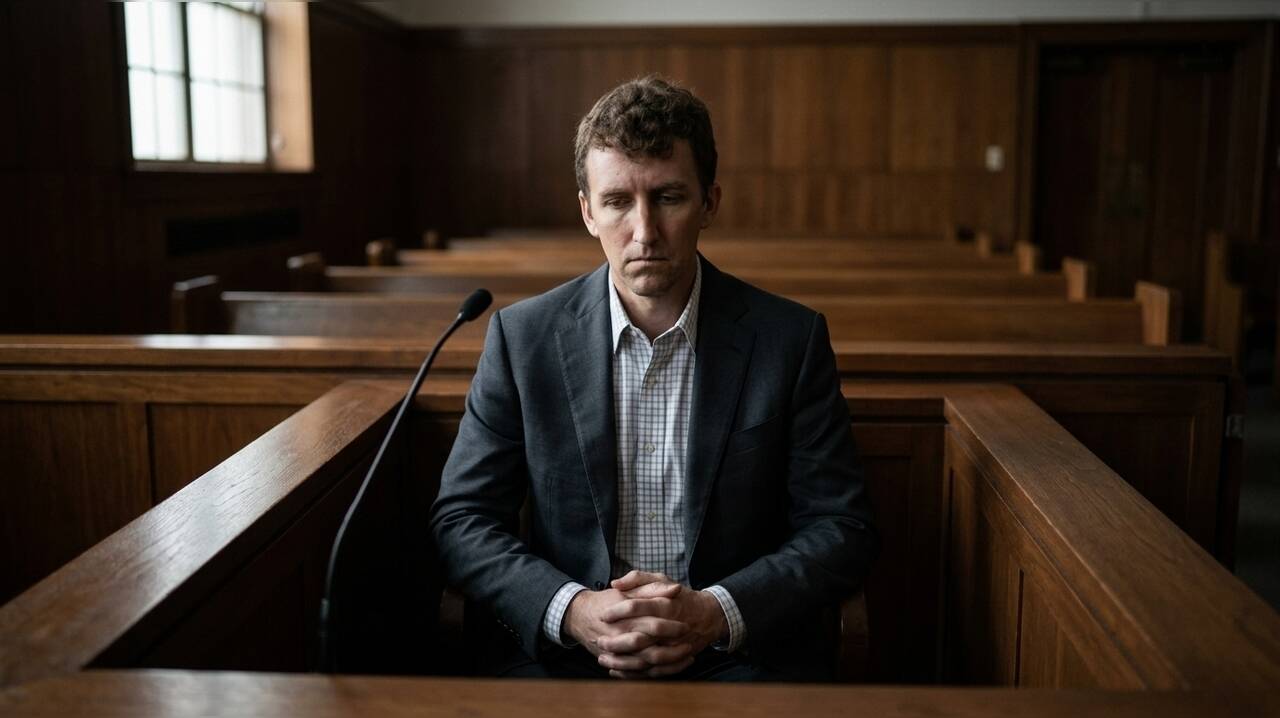
Patrick Clancy, who married the defendant in 2016 after meeting in 2013, testified extensively about the decline in her mental health following the birth of their third child. He described a period of worsening symptoms, including severe insomnia that saw her go nearly 48 hours without sleep. According to his testimony, her condition appeared to spiral significantly after she began taking Seroquel in December 2022, a medication prescribed for conditions such as bipolar disorder, schizophrenia, and major depressive disorder.
The witness recounted that his ex-wife had expressed fears about harming their children on two occasions in December 2022. He testified that when he questioned her about whether she had a specific plan to harm them, she denied having one and insisted she did not need to be kept away from the children. He described the situation as confusing, noting that she would oscillate between expressing these fears and engaging in routine parenting activities, such as playing with the children or preparing their meals.
Conflicting Interpretations of Mental Health
The testimony also served as a focal point for the prosecution, who sought to establish a potential motive. Patrick Clancy testified that the defendant struggled specifically when she was required to return to work, noting that she found it difficult to be separated from their children. Prosecutors utilized these observations to suggest that the defendant may have desired a life without the responsibilities of motherhood.
Despite the gravity of the charges, Patrick Clancy has publicly maintained that his ex-wife is a victim rather than a murderer, a stance that legal observers suggest carried significant weight with the jury. Criminal defense attorney Mark Eiglarsh remarked that the witness’s credibility and his perspective on the events were colossal factors in the trial. As the case moves toward the September 29 status hearing, the defense may pursue further legal avenues, including requests for a not-guilty verdict, as the court considers how to proceed following the deadlock.




