
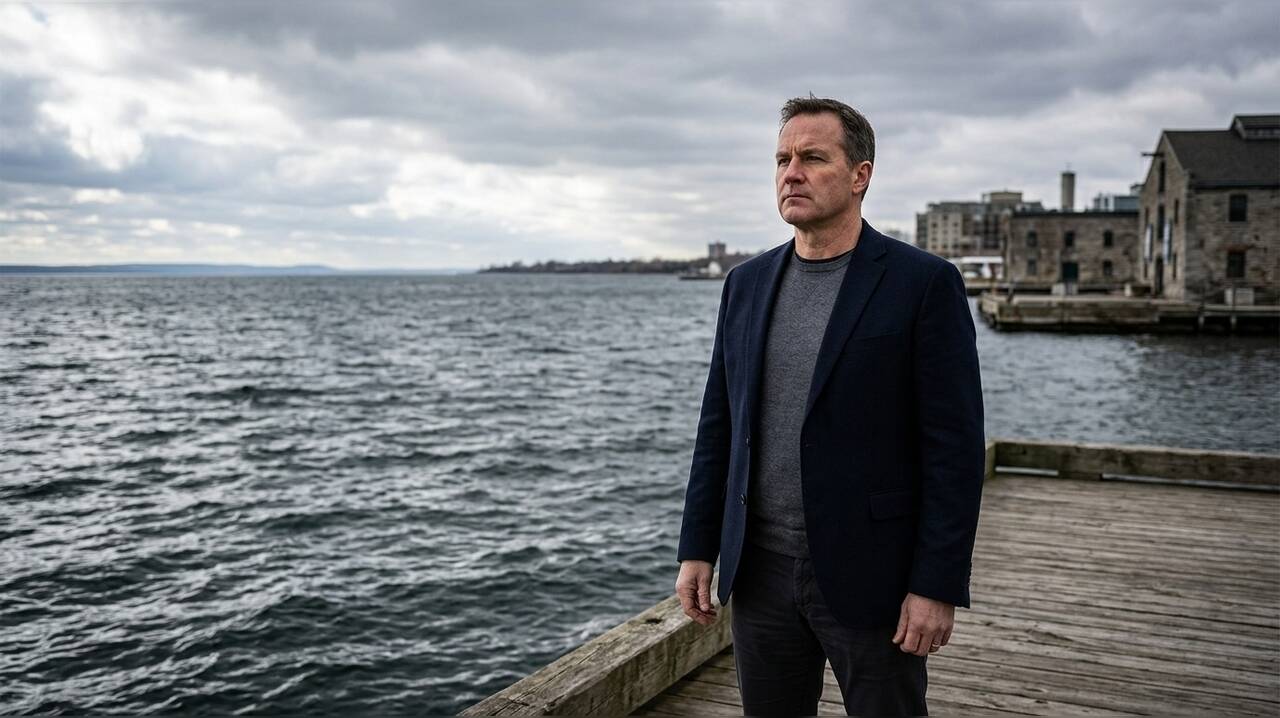
The mayor of Oswego, New York,
Mayor Corradino, a lifelong resident of the city, emphasized that the lake is fundamental to the local identity, economy, and historical narrative of the region. He stated that while he may align with other administration initiatives, the renaming of the landmark is viewed as a deeply personal issue for the community. The city has confirmed it will not update its official signage, tourism literature, or internal communications to reflect the change, maintaining the traditional name in all municipal operations.
Local Opposition and Economic Concerns
The resistance to the renaming extends beyond the mayor’s office. Legislators in Oswego County, representing a mix of political affiliations, have passed a formal resolution rejecting the new name. This legislative action was motivated by concerns regarding the financial burden that a rebranding effort would impose on local taxpayers and businesses. The resolution clarifies that the intent is not to challenge federal authority, but rather to preserve the historical and regional significance associated with the name Lake Ontario.
Economic factors play a significant role in the city's stance, particularly regarding its relationship with Canada. Mayor Corradino noted that the city’s tourism sector relies heavily on Canadian visitors, and there is concern that the renaming could negatively impact these established cross-border ties. With a population of approximately 17,000, Oswego remains a politically diverse city, though it is situated within a county that strongly supported the president in the 2024 election. Despite this political alignment, the local government maintains that the preservation of the lake's name is a matter of local heritage that transcends national political agendas.




