
Two years after
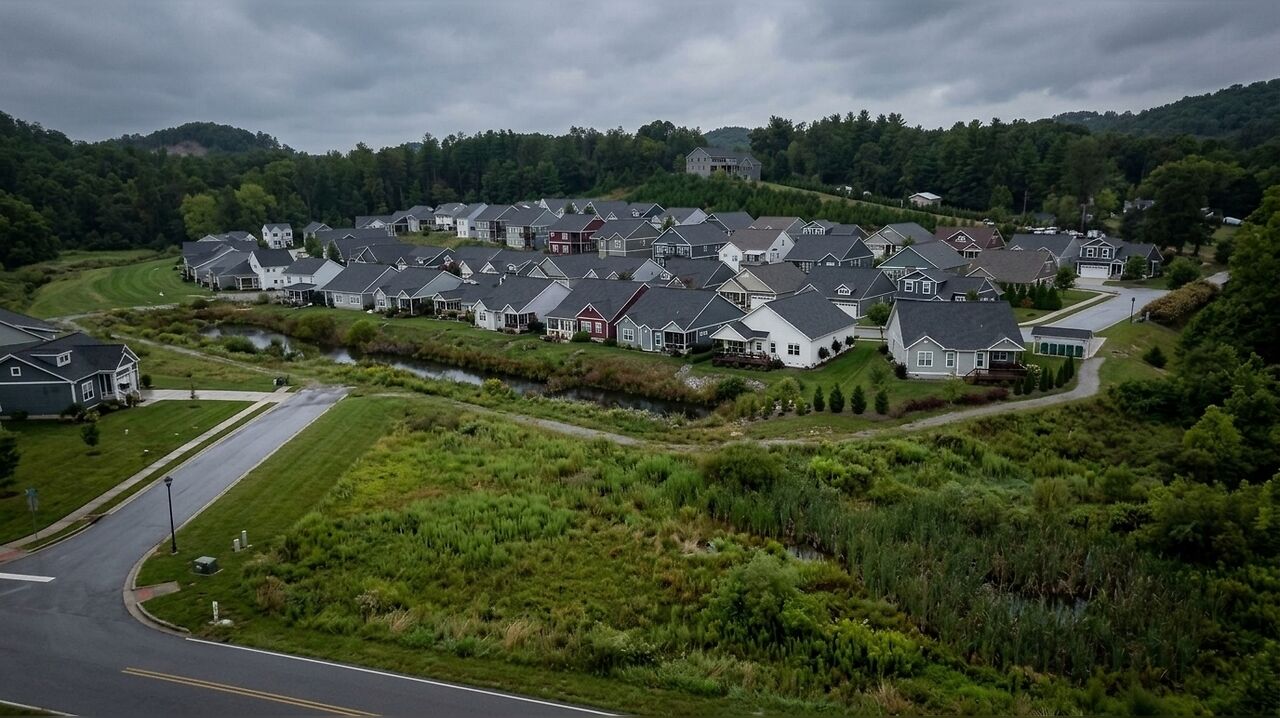
The situation highlights the complex nature of post-disaster recovery, where individual efforts to rebuild often intersect with long-term government strategies to reduce future vulnerability. While the homes are currently considered livable, their location in a flood-prone area has made them eligible for the Hazard Mitigation Grant Program. This initiative, managed by the North Carolina Department of Public Safety (NCDPS) in coordination with FEMA, aims to acquire properties in high-risk zones to prevent future losses by returning the land to its natural state.
The Mechanics of Voluntary Buyouts
The Hazard Mitigation Grant Program operates on a voluntary basis, allowing homeowners in flood-vulnerable areas to apply for property acquisition. Once a project is approved by FEMA, the state or local government facilitates the purchase, typically at the property's valuation from the day preceding the disaster. The primary objective is to clear the land of all structures and maintain it as permanent open green space. This strategy is intended to restore natural floodplain functions, which can help divert floodwaters away from surrounding residential areas.
For residents like Charlene Olsen, the decision to participate in the program was driven by safety concerns rather than the condition of the structure. After returning to find her home filled with three feet of water and mud, Olsen invested in repairs. However, she ultimately chose to accept the buyout, stating that she no longer felt secure living in the area. Other residents have expressed mixed feelings, with some questioning the logic of demolishing homes that have already been restored to a functional state, particularly at a time when housing remains a critical concern in the region.
Balancing Recovery and Risk Reduction
The demolition plans have sparked local debate regarding the efficiency of the recovery process. Some neighbors have suggested that the resources and effort spent on repairs could have been better utilized, or that the homes could have served as housing for those displaced by the storm. Mike Modzelewski, president of the neighborhood’s homeowners association, noted concerns regarding the potential disruption caused by the upcoming demolition work, citing the lingering impact of the debris removal that followed the initial disaster.
State officials maintain that the program is essential for long-term resilience. As of late September 2026, the NCDPS reported that 535 out of 892 homes identified in flood-prone areas have been approved for acquisition. With North Carolina having submitted approximately $2 billion in applications for hazard mitigation funding, the state is prioritizing the permanent removal of structures from high-risk zones over the reconstruction of existing sites. For the owners of the four homes in Hendersonville, the process concludes with the removal of their houses and a permanent deed restriction on the land, ensuring that no new structures can be built on the site in the future.




