
A legal battle unfolded in New York after state authorities intervened to recover tens of thousands of dollars in
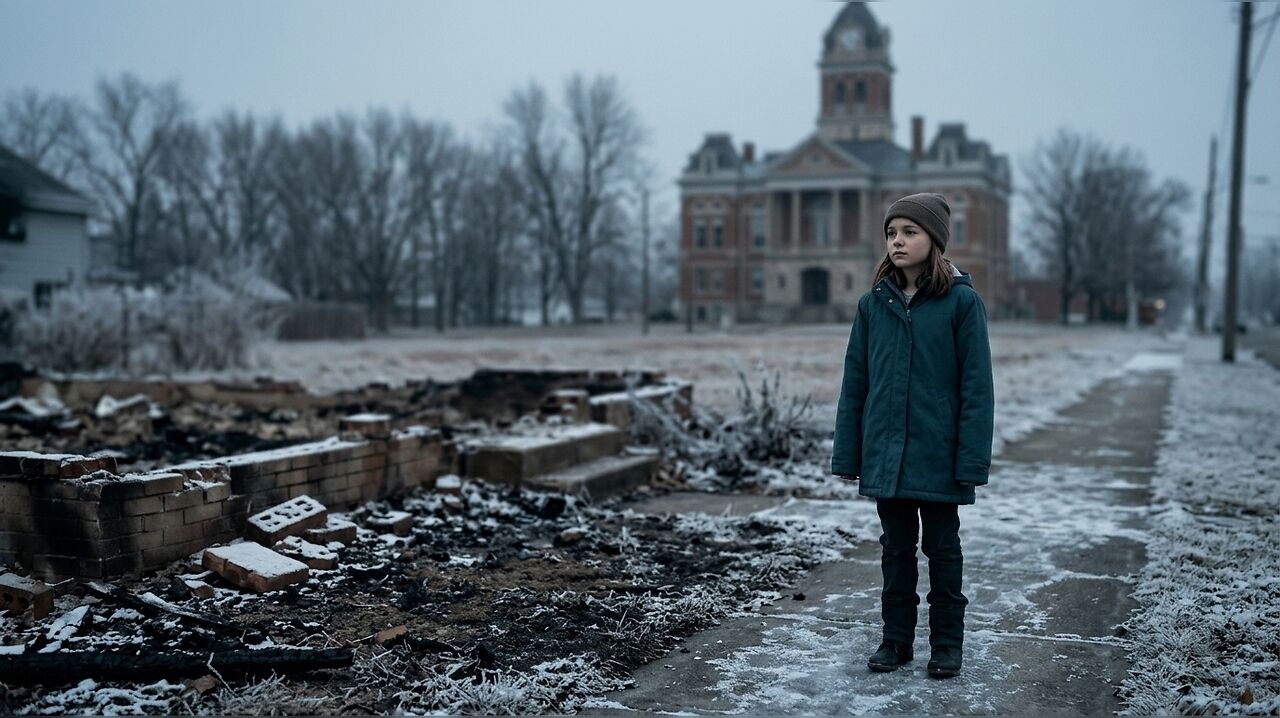
The tragedy occurred on February 14, 2019, when a fire at a residence on Myrtle Avenue in Watertown claimed the lives of Aaron Bodah and his four daughters: Merissa, Alexa, Erin, and Skylar. The only surviving member of the immediate family was 13-year-old Hailey. In the wake of the disaster, the local community launched several fundraising initiatives, including a GoFundMe campaign and various memorial funds, which collectively raised more than $100,000 to support the teenager.
Discrepancies in Charitable Fund Management
The New York Attorney General’s office launched an investigation after concerns arose regarding the handling of these donations. According to a court petition filed in October 2019 by then-Attorney General Letitia James, relatives of the deceased had assured donors that the money would be managed responsibly for Hailey’s benefit. However, the state alleged that the funds were not transferred to the teenager or her mother within the timeframe required by law.
Investigators discovered that while a cashier’s cheque for approximately $35,000 was eventually provided to the family in September 2019, a significant portion of the total money raised remained missing. Bank records cited in the legal filing indicated that over $97,000 had been deposited into the Bodah Family Memorial Fund. The state’s petition alleged that the funds were improperly diverted, pointing to expenditures that included home appliances from a hardware retailer and payments to a church and a monument company, which the Attorney General argued were inconsistent with the stated purpose of the fundraising.
Legal Action and Allegations of Misconduct
In its filing, the Attorney General’s office sought the recovery of $71,539.29, which it claimed remained unaccounted for or misspent. The petition named Kenneth Bodah Jr., Beth Ann Bodah, and Travis Bodah as the individuals responsible for failing to distribute the donations as required. Furthermore, the state accused Kenneth and Beth Ann Bodah of providing false statements to investigators, with Kenneth facing an additional allegation of fraud.
These legal actions represented allegations brought by the state rather than established findings of guilt. At the time of the filing, reports indicated that the accused relatives could not be reached for comment. The case underscored the complexities and potential for oversight issues when private individuals manage large sums of money collected on behalf of tragedy survivors. The state’s intervention aimed to ensure that the financial support provided by the public reached its intended beneficiary.




