
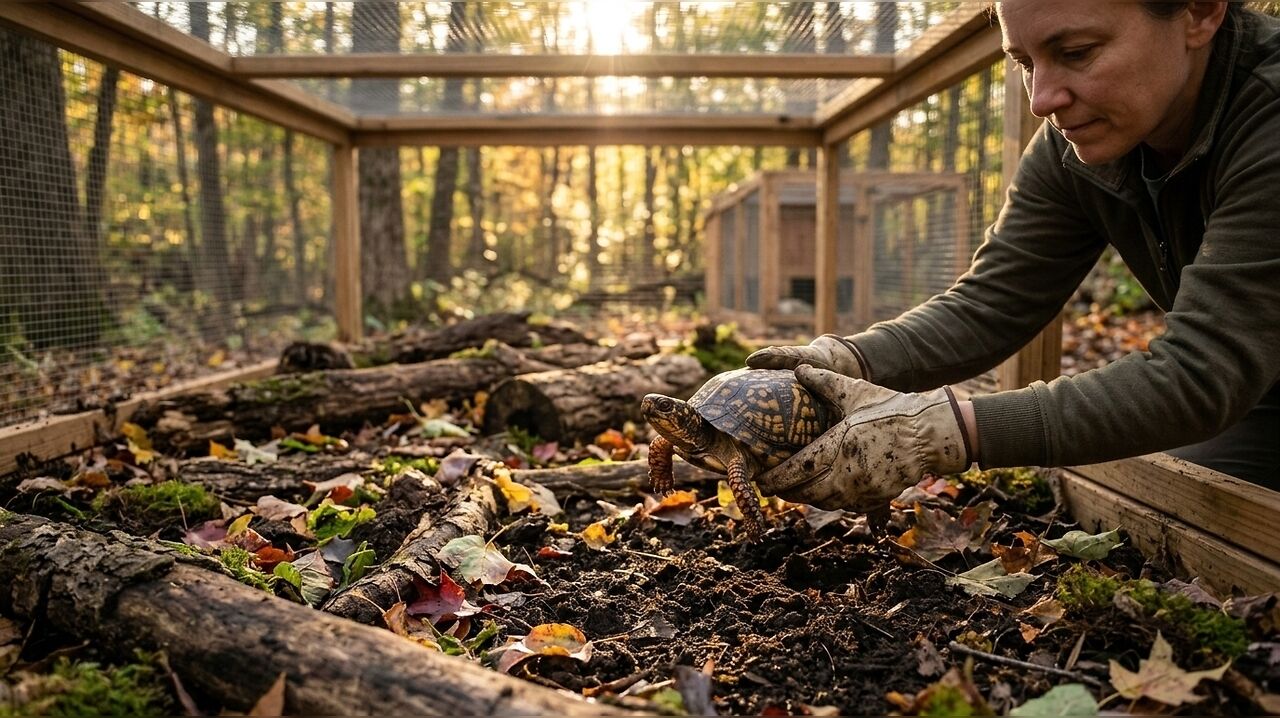
A major rehabilitation effort is underway at the
The rescue operation, which involved local firefighters, state wildlife officers, and community members, has now transitioned into a long-term care phase. As temperatures drop, the facility is focusing on the biological needs of the reptiles, specifically their requirement to undergo brumation—a period of dormancy similar to hibernation that is essential for the species' natural seasonal cycle.
Constructing Specialized Habitats for Winter
To facilitate this natural process, the wildlife center is building two outdoor enclosures, referred to by staff as "Brumation Stations." These habitats are designed to mimic the conditions the turtles would encounter in the wild, providing appropriate soil, shelter, and protection from predators. By allowing the animals to brumate outdoors, the center aims to reduce the stress associated with artificial indoor environments while supporting the turtles' immune systems and natural behavioral rhythms.
The construction of these enclosures is being supported by the Mercer County Park Commission and funded through public donations. According to the center, the goal is to move the turtles into these stations as soon as possible, allowing them to acclimate before the onset of severe winter weather. This approach is considered a critical component of their rehabilitation, as it prepares the animals for their eventual return to natural habitats.
Ongoing Investigation and Rehabilitation
The incident, which saw both native Eastern box turtles and non-native three-toed box turtles abandoned near the Rahway River, remains under investigation by law enforcement. While authorities have confirmed that the animals were dumped illegally, the identity of those responsible has not been disclosed. Investigators have explored the possibility that the turtles were previously part of an illegal wildlife trade.
The rehabilitation process is complex and resource-intensive, requiring specialized veterinary care, UV lighting, and specific dietary management. Wildlife Center Director Jane Rakos-Yates noted that the influx of 219 reptiles has placed significant pressure on the facility, which is one of only three in the state permitted to handle such cases. The center continues to rely on community support and donations to manage the ongoing costs of food, veterinary supplies, and the construction of the new enclosures.
Looking ahead, the long-term objective for the center is the eventual release of the turtles. State wildlife officials have stated that healthy Eastern box turtles will be returned to suitable wild habitats, while the non-native three-toed box turtles will be transferred to appropriate wildlife agencies within their natural range. Each animal must pass rigorous health and fitness assessments before being cleared for release, ensuring they are prepared to survive in the wild.




