
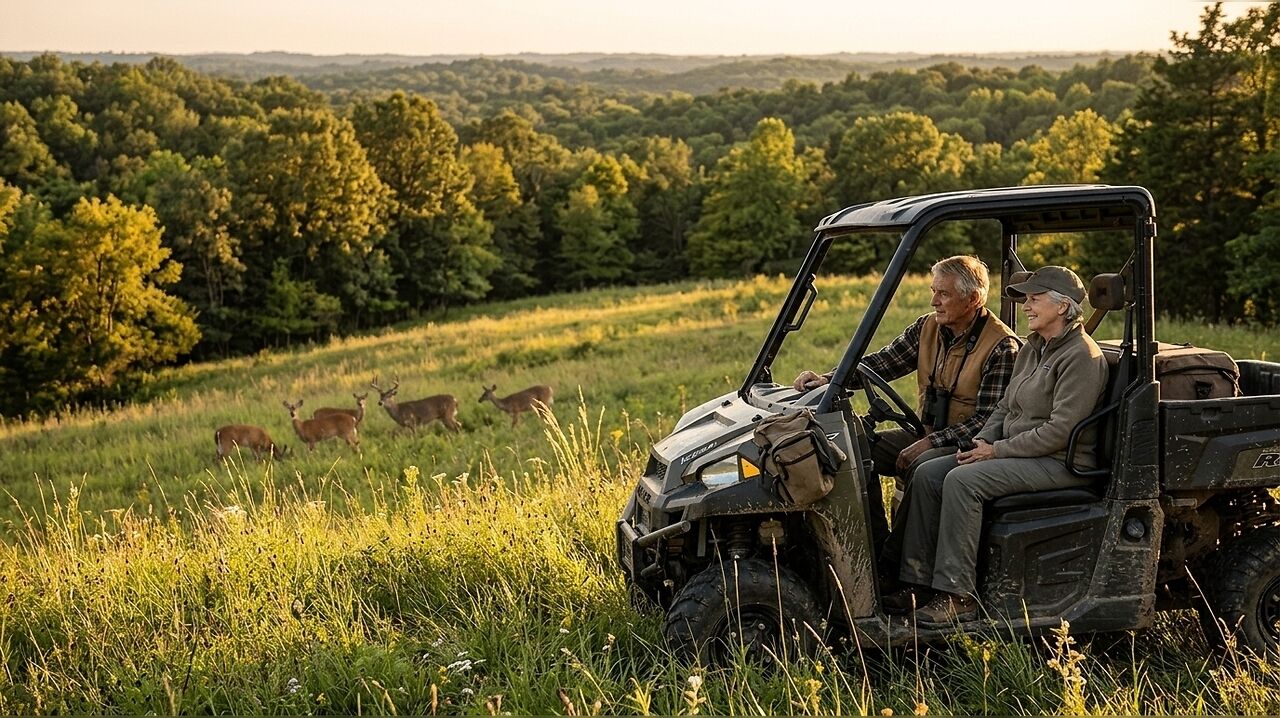
For over three decades, Mike and Dana Blevins have transformed a 300-acre tract of land in Perryville, Missouri, from a degraded landscape into a thriving refuge for white-tailed deer. When the couple first purchased the property in 1992, the land suffered from the effects of intensive cattle grazing and unregulated hunting, which had severely compromised the local wildlife habitat. Today, the property serves as a testament to the impact of long-term, collaborative conservation efforts between private landowners and state wildlife officials.
The restoration process began shortly after the Blevins acquired the land, guided by recommendations from biologists at the Missouri Department of Conservation (MDC). By implementing specific habitat-management practices, the couple gradually improved the environment to better support a healthy deer population. The Blevins now monitor the herd year-round, noting that regular sightings of deer have become a routine part of their lives, contrasting sharply with the conditions they encountered when they first arrived.
A Broader Context of Wildlife Recovery
The success seen on the Blevins' property mirrors a significant recovery trend for white-tailed deer across Missouri. Historically, the species faced near-extirpation due to habitat loss and excessive hunting, with population estimates dropping to fewer than 400 individuals by 1925. Through decades of regulated hunting, habitat restoration, and stringent protection measures, the population has rebounded significantly. Currently, the species is a staple of the state’s outdoor culture, with nearly half a million people participating in hunting seasons annually.
Despite this recovery, the Missouri Department of Conservation emphasizes that maintaining a healthy herd remains a complex task. The state now faces the persistent threat of chronic wasting disease (CWD), a fatal and contagious condition that affects deer populations. Since the first detection of CWD in Missouri in 2010, the department has conducted extensive testing to monitor the spread of the disease, which can be transmitted through direct animal contact or environmental contamination.
Addressing Emerging Health Challenges
For landowners like the Blevins, the focus has shifted from initial habitat restoration to active disease management. Having previously operated an archery shop, the couple sought to stay informed about CWD to provide accurate guidance to their community. They have since engaged in post-season targeted removal efforts and continue to manage their herd through responsible harvesting, including donating meat to the Share the Harvest programme.
State officials report that while CWD remains relatively rare, with less than 1% of tested deer statewide testing positive 15 years after its initial detection, the disease presents a significant management challenge once established. The Missouri Department of Conservation is currently refining its strategy to focus on localized management, relying heavily on the cooperation of hunters and private landowners to mitigate the spread of the disease during hunting seasons. This collaborative approach remains the cornerstone of the state's ongoing efforts to preserve its deer population for the future.




