
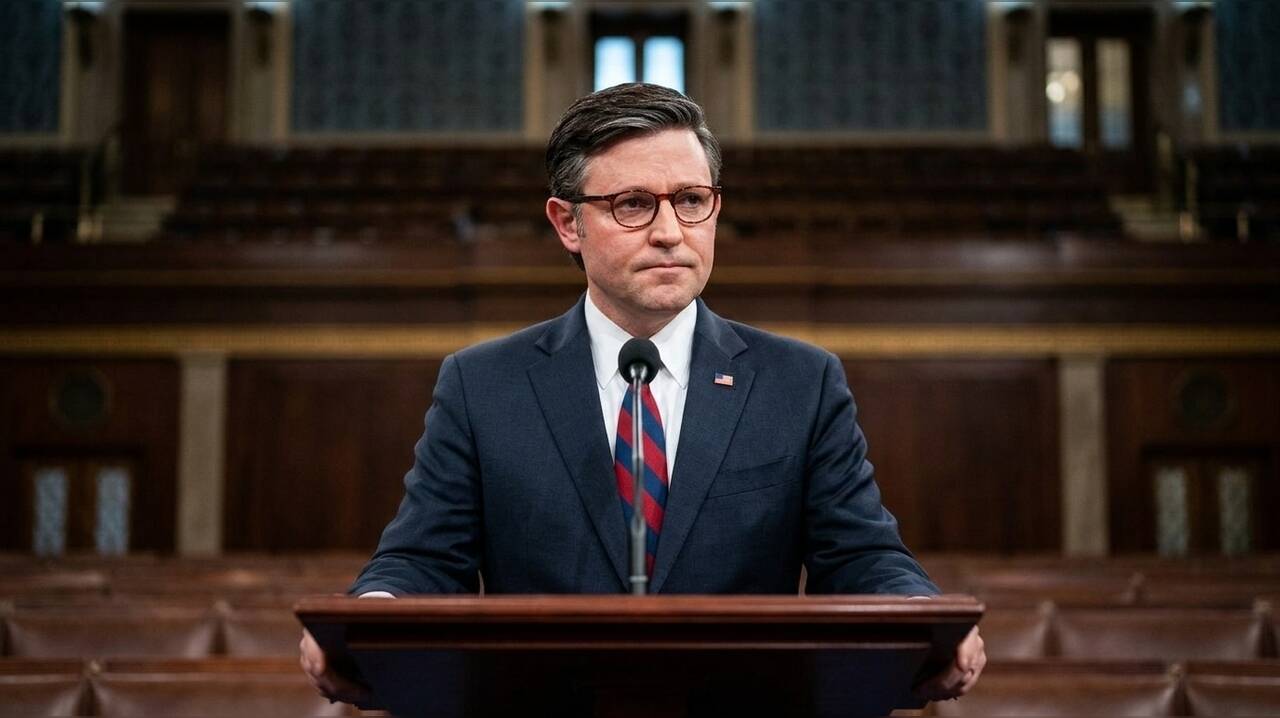
House Speaker
The proposal, which President Trump introduced at a Republican National Committee midterm convention in Dallas, is contingent upon the Republican Party maintaining control of both the House and the Senate following the
Legislative Hurdles and Funding Questions
The feasibility of the proposal faces significant constitutional and procedural challenges. Legal and policy experts, including Marc Goldwein of the Committee for a Responsible Federal Budget, have noted that the executive branch lacks the unilateral authority to authorize such a massive expenditure. With an estimated cost exceeding $1 trillion, the program would require explicit authorization and funding from Congress. While Senator Bernie Moreno has indicated an intent to draft legislation to facilitate the dividend, the proposal remains a political concept rather than an established federal policy.
Administration officials have offered varying explanations regarding the potential funding sources for the dividend. Vice President JD Vance has suggested that revenue generated from tariffs could support the payments, while Commerce Secretary Howard Lutnick has stated that the funds would not increase the federal deficit, though he linked the concept to the yet-to-be-launched Trump Platinum Card program. Meanwhile, Kevin Hassett, director of the National Economic Council, has suggested that the dividend could be incorporated into a future congressional budget reconciliation package.
Political and Economic Opposition
The proposal has drawn sharp criticism from across the political spectrum. Democratic leaders, including Senate Minority Leader Chuck Schumer, have characterized the plan as an attempt to influence voters. Within the Republican Party, several lawmakers have expressed reservations regarding the economic implications of the plan. Representative Thomas Massie warned that injecting such a large sum into the economy could exacerbate inflation, while others, such as Senator Susan Collins and former Representative Justin Amash, have questioned the fiscal responsibility of the proposal and the logic of tying major spending initiatives to election outcomes.
Despite the skepticism, White House spokesperson Davis Ingle has defended the President’s agenda, noting that critics have previously doubted the feasibility of other administration initiatives. As the 2026 midterm cycle approaches, the status of the $5,000 dividend remains uncertain, with its implementation dependent on both the outcome of the elections and the subsequent ability of Congress to navigate the complex legislative requirements necessary to turn the proposal into law.




