
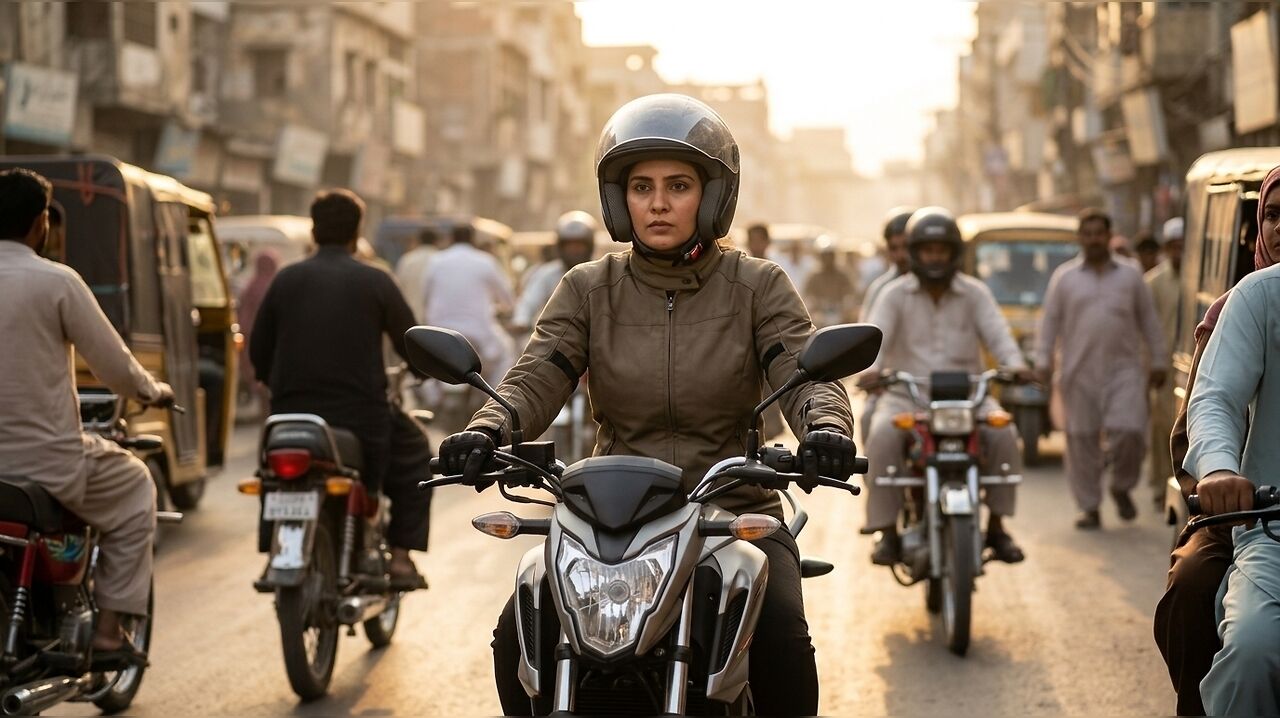
In the sprawling, high-traffic metropolis of
Each of these women entered the delivery sector under challenging personal circumstances, ranging from widowhood to divorce. Their collective decision to work in a male-dominated field reflects a broader, albeit slow, shift in social attitudes within
Breaking Barriers in a Male-Dominated Industry
The path to professional riding has required significant personal resilience. Mehak Baloch, who began working after the death of her husband, initially felt the need to dress in a way that mimicked male riders to avoid unwanted attention. Over time, however, she has gained the confidence to embrace her role, finding deep satisfaction in her ability to provide for her four children independently. Similarly, Sana Urooj turned to delivery work after being inspired by the pioneering efforts of Rubab Jubani, who became one of the city's first female food delivery riders in 2019.
Jubani’s entry into the workforce was met with initial apprehension from her family, who were concerned about both the security risks inherent in Karachi and the potential for social stigma. Despite these fears, she persisted, eventually becoming a role model for other women seeking financial autonomy. The rise of digital food delivery platforms, which saw a surge in demand during the COVID-19 pandemic, has provided a stable, albeit demanding, avenue for these women to earn a living in a market where traditional blue-collar opportunities are often limited.
Navigating Safety and Social Change
Working as a delivery rider in Karachi involves constant negotiation with the city’s intense traffic and safety environment. While the women acknowledge the risks of working late hours or traveling through unfamiliar neighborhoods, they report that they have not been victims of street crime. They attribute this safety in part to the support of their male colleagues, who frequently offer guidance on which routes to avoid and provide a sense of communal protection. Furthermore, delivery companies have implemented safety protocols that restrict riders from accepting orders in certain high-risk areas.
Institutional support is also beginning to emerge. The Sindh government has introduced a scheme managed by the Sindh Mass Transit Authority that provides electric scooters to women, with priority given to widows and single mothers. This initiative aims to lower the barriers to mobility for students and professionals alike. For riders like Kiran Fateh, these changes are palpable. While she initially faced curious stares and negative remarks, she now reports receiving encouragement and even gestures of appreciation from the public, who often tip her as a sign of respect for her determination. Despite the exhaustion that comes with balancing long hours on the road and household responsibilities, these women remain committed to their work, viewing it as a necessary step toward securing a stable future for their children.




