
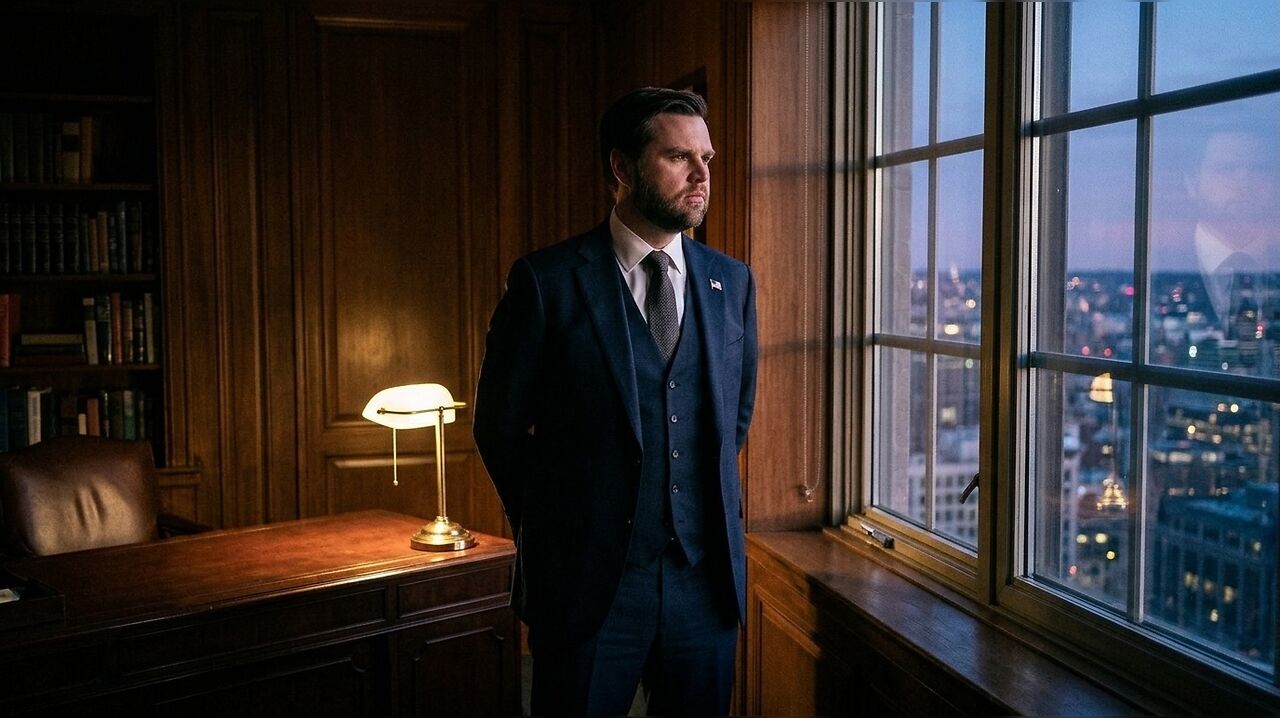
US Vice President
In a statement posted to social media on Wednesday, Vance suggested that a portion of the electorate that supported President Trump in 2024 opted to vote for Democratic candidates this year. Citing insights from a pollster, the Vice President outlined four specific areas he believes are essential for the Republican Party to regain voter support: ending the military engagement with Iran, tackling inflation and the cost of living, refocusing on an America First agenda, and re-evaluating the current diplomatic ties with Israel.
Voter Sentiment and Exit Poll Data
The Vice President’s assessment regarding the impact of the
While the conflict with Iran emerged as a significant issue, the exit polls also highlighted other domestic pressures influencing the electorate. Nearly half of the voters surveyed, 49%, cited the cost of living as a crucial concern, while 55% pointed to government corruption as a primary factor in their decision-making process. While Vance explicitly linked the relationship with Israel to the shift in voter behavior, national exit poll figures do not provide independent confirmation of this specific claim.
Internal Republican Reaction
Vance’s analysis has prompted varied responses from within the Republican Party, particularly from those who had previously voiced opposition to the military strategy in Iran. Representative Thomas Massie, who had earlier sponsored a resolution aimed at restricting military action against Tehran, publicly acknowledged the Vice President’s comments. Massie suggested that the party’s leadership had been slow to recognize the political risks associated with the conflict.
Former Representative Marjorie Taylor Greene also weighed in, asserting that the issues highlighted by Vance were consistent with promises made during the 2024 campaign. She criticized the party for failing to act on these concerns earlier. President Trump, while characterizing Vance’s assessment as largely accurate, maintained his stance on the necessity of the military intervention. He defended the decision to engage Iran, arguing that the action was a required measure to prevent the development of nuclear weapons, and stated that he would not have altered his approach.




