
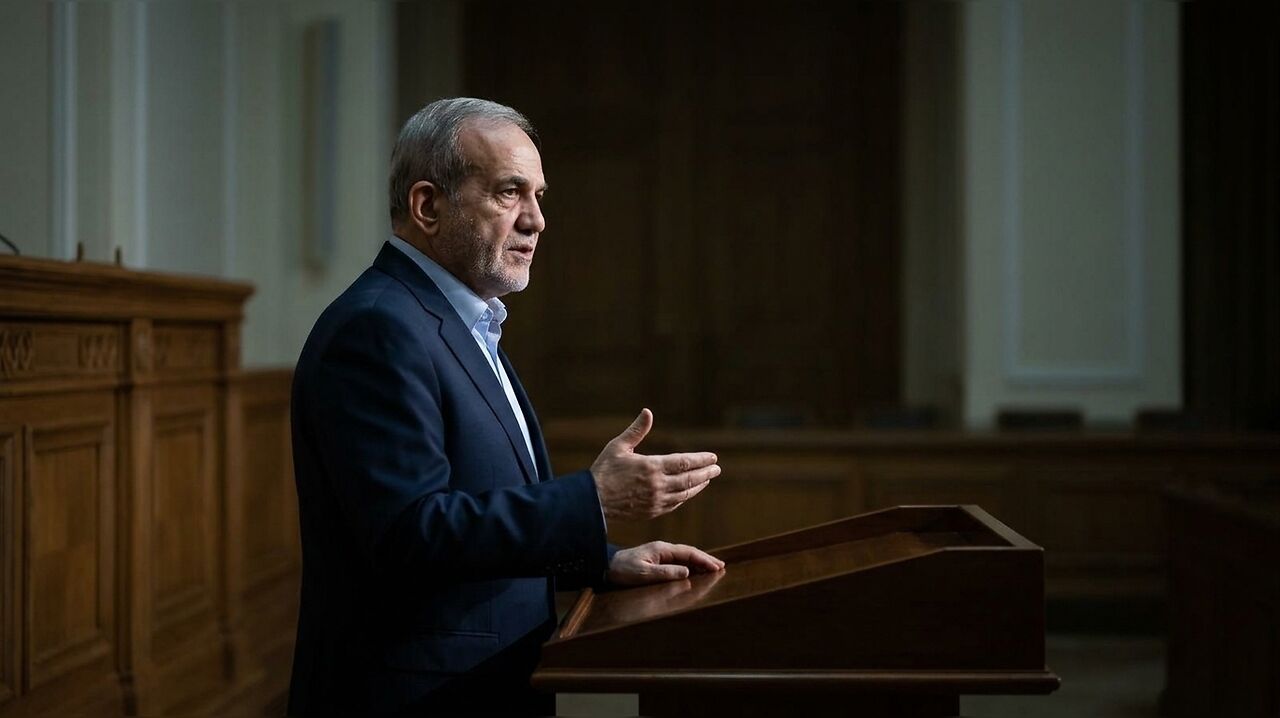
Iranian President
Pezeshkian characterised discussions held under the shadow of force as a form of coercion rather than genuine diplomacy. He further warned that the continued application of sanctions against Iran serves to destabilise regional trade, energy security, and overall connectivity. His remarks underscore a hardening stance, following his earlier assertion that engaging with the United States has proven ineffective, as he claimed such efforts have historically been met with renewed military actions and broken commitments.
Stalled Diplomacy and Military Impasse
The conflict, which escalated in late February, remains in a state of stalemate despite previous attempts to establish a lasting resolution. In June, both sides had reached a memorandum of understanding intended to provide a framework for peace. However, this progress was derailed after Iran initiated strikes against vessels navigating the
While the United States has recently shifted its strategy away from direct military strikes—having not engaged in such operations since September 1—it has intensified its focus on economic pressure. The United States and Israel maintain that their military and economic actions are necessary measures to prevent Iran from developing nuclear weapons, an objective that Tehran continues to deny.
Control of the Strait of Hormuz
A central component of the ongoing tension is the status of the Strait of Hormuz, a critical maritime corridor for global energy supplies. Since the onset of the conflict, Iran has attempted to assert control over the waterway, targeting vessels that transit the area without its explicit authorisation. In response, the United States has implemented a counterblockade targeting Iranian ports and has conducted strikes against vessels it alleges are in violation of these restrictions. The resulting instability in the region continues to impact global energy markets as both nations maintain their respective positions.




