
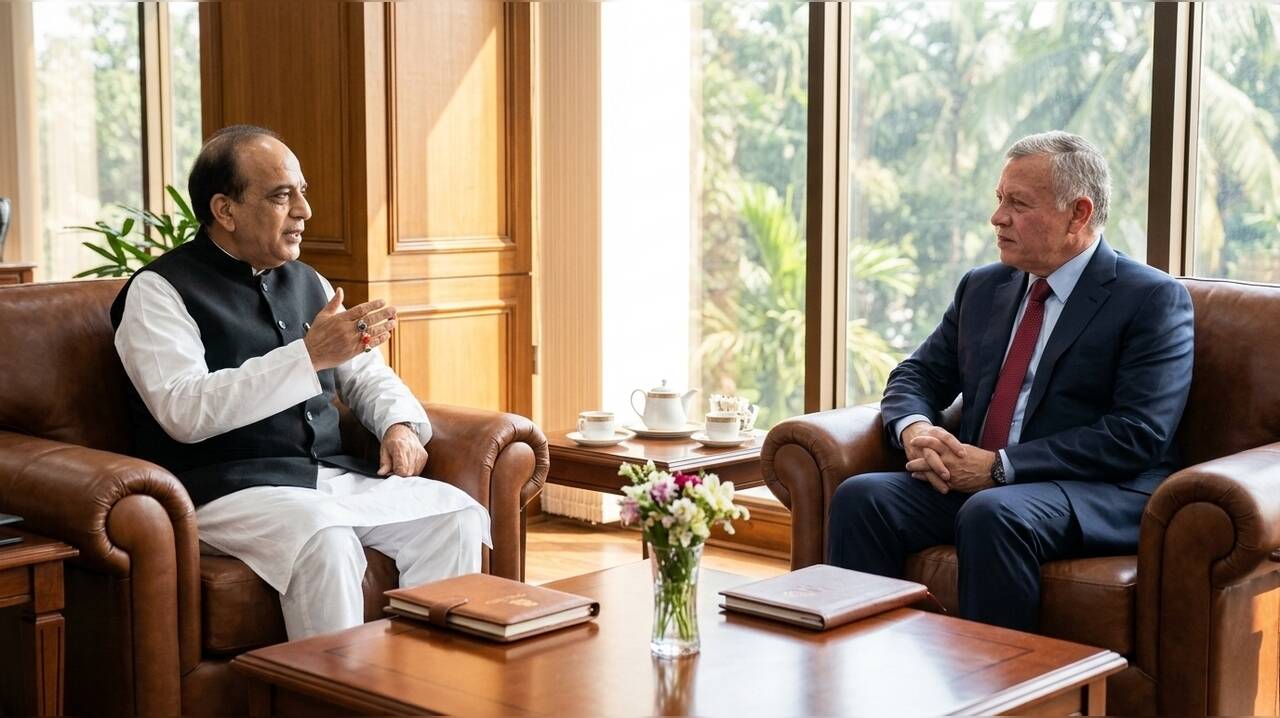
India is actively maintaining diplomatic channels with Bangladesh, signalling a commitment to normalising relations despite recent political tensions. While the status of former Bangladeshi Prime Minister Sheikh Hasina remains a point of contention for the current administration in Dhaka, Indian officials are prioritising long-term cooperation and grassroots engagement to stabilise the bilateral partnership.
The Indian High Commissioner to Bangladesh,
Diplomatic Engagement and Outstanding Invitations
Efforts to maintain a constructive dialogue have continued despite notable setbacks. Prime Minister
Recent interactions have sought to move past previous friction, including a diplomatic incident earlier this year involving Dr. Zahed Ur Rahman, an adviser to the Bangladeshi Prime Minister. Dr. Zahed, who was briefly detained for questioning at a New Delhi airport due to passport documentation issues, has since expressed a desire for a reset in relations. He stated that the current administration aims to engage with India from a position of mutual respect, focusing on trade, business, and other areas of cooperation to move beyond the strained state of affairs that followed the installation of the interim government.
Water Sharing and Future Cooperation
Beyond political discourse, the two nations are engaged in critical negotiations regarding trans-boundary water resources. The
High Commissioner Trivedi recently met with Bangladesh’s Minister of Water Resources, Md. Shahiduddin Chowdhury Anee, and Minister of State Forhad Hossain Azad to discuss these shared interests. The Ganges, known as the Padma upon entering Bangladesh, is essential to the nation's deltaic geography. The Farakka Barrage, located in India’s West Bengal state, plays a central role in these discussions, as it is used to divert water to maintain the navigability of the Hooghly river. As the treaty expiration date approaches, both sides are utilising established bilateral mechanisms to negotiate a renewal, with Dhaka signalling that the agreement is a key component of the future trajectory of




