
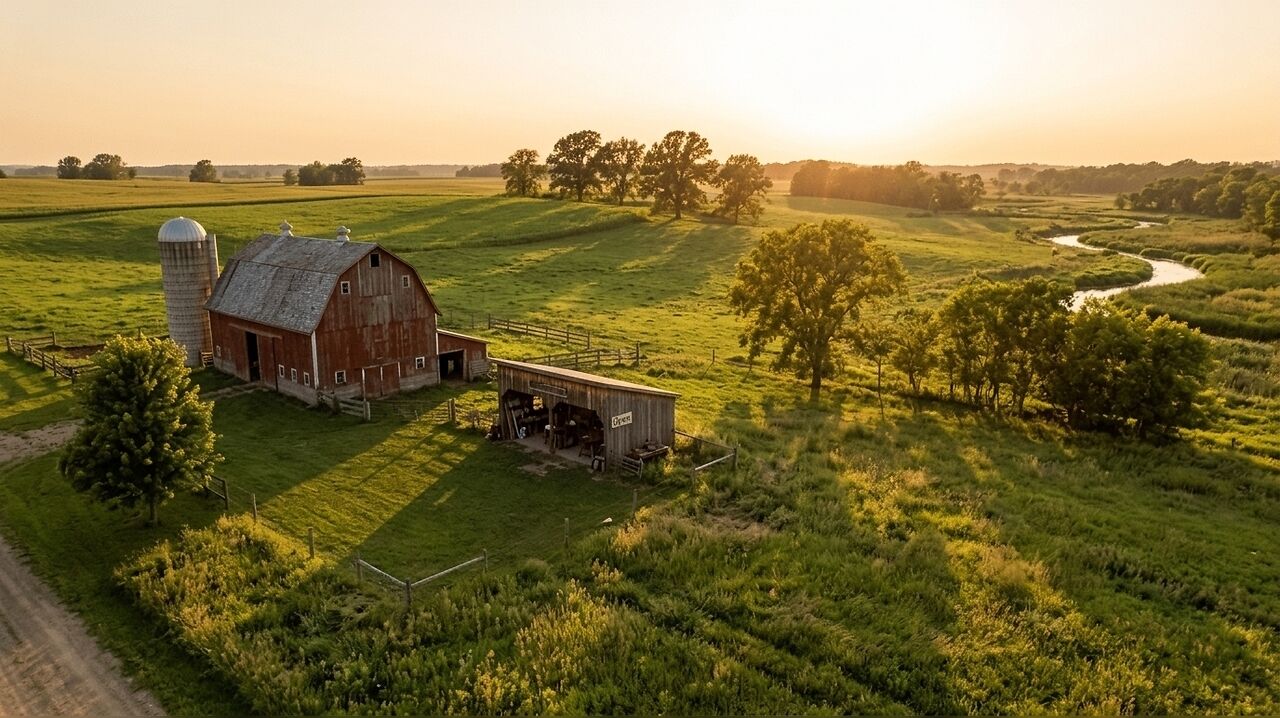
A 160-acre property in eastern
The story of the farm began when Beth, a young teacher, went on a blind date with Dr. Arvid Temple, a surgeon who had purchased the land in 1965. The couple married in May 1969, just three months after their first meeting. Over the following decades, the farm became a central part of their lives, with Beth learning the intricacies of agricultural work, from operating heavy machinery to managing the dairy operation, while the couple dedicated themselves to both their land and their community.
A Legacy of Land Stewardship and Community Service
Arvid Temple’s connection to the land was deeply rooted in his own history. The son of immigrants from Belarus, he grew up in Chicago with a limited garden, which fostered a lifelong appreciation for open space. After a career in medicine that spanned five decades—a path he pursued despite facing discriminatory enrollment barriers at some medical schools—he focused his energy on maintaining Tempest Farm. The property was named after a horse he had owned before serving as a doctor in the US Army during the Korean War.
During their marriage, the couple used the farm not only for agriculture but also as a resource for those in need. They regularly donated produce to local social service organizations, including Respond Now in Chicago Heights. Beth Temple noted that her husband’s commitment to helping others, which defined his medical practice, was also reflected in their shared efforts to support the local community through their farm’s output.
Protecting the Future of Tempest Farm
Following Arvid’s death in 2007, Beth continued to maintain the property, including a five-year project to renovate an old chicken coop into a workshop and storage space that still houses mementos of her husband’s life and career. Recognizing the importance of the land, she initiated a conservation plan to ensure the property would not be lost to future development.
In 2020, the first 40 acres were donated to the Forest Preserve District of Will County. The remaining 120 acres are currently held under a conservation easement, with a full transfer to the district expected in the coming years. This arrangement represents the largest land donation in the district's history. The site, which features wetlands and two creeks, serves as a habitat for various wildlife, including amphibians and swallows. Under the terms of the conservation agreement, the land will be protected for agricultural use or as a nature preserve, ensuring that the couple’s decades of work on the property remain intact.




