
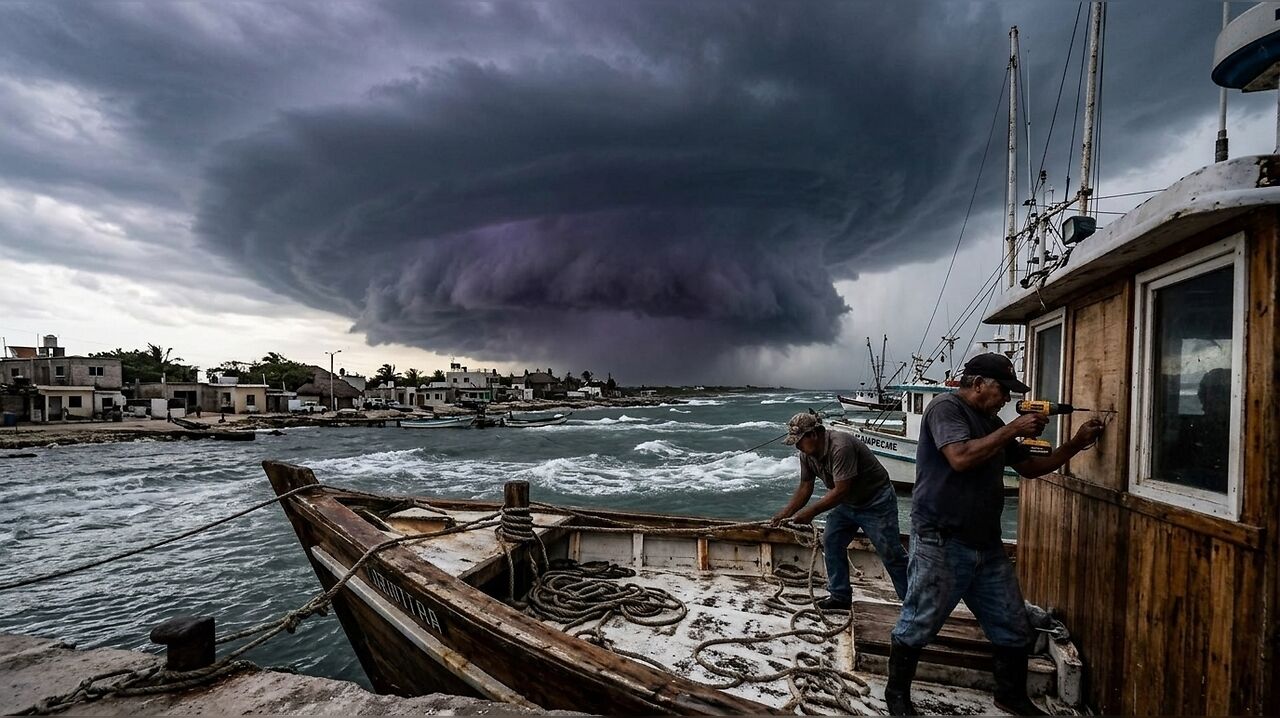
National Hurricane Center Director Michael Brennan has urged residents in the path of the storm to finalize their safety plans immediately. Officials warn that conditions along the northern Gulf Coast are expected to deteriorate rapidly as the hurricane approaches, with the potential for significant storm surges, heavy rainfall, and long-duration power outages.
Emergency Measures and Evacuations
In response to the approaching threat, governors in Florida and Alabama have declared states of emergency across dozens of counties. Alabama Governor Kay Ivey has mandated the evacuation of non-residents from Gulf Shores, Orange Beach, and Dauphin Island. Meanwhile, Florida officials have mobilized approximately 5,000 National Guard troops to assist with response efforts. Several school districts in Florida have canceled classes for the remainder of the week, and commercial flight operations at Pensacola International Airport are scheduled to cease on Friday morning.
Coastal communities are bracing for a
Energy Sector and Regional Impact
The energy industry has moved to mitigate potential damage, with offshore oil and gas producers in the Gulf of Mexico temporarily halting approximately 63% of regional oil production. This shutdown accounts for nearly 1.3 million barrels of crude per day, as 121 manned platforms have been evacuated. Market analysts note that while these production cuts are significant, the primary concern remains the potential impact on coastal refineries should the storm maintain its strength upon reaching land.
The storm's path has also disrupted regional activities, including a high-profile college football game between Georgia and Alabama. As the region prepares, residents are taking individual precautions to secure property and livestock. Despite the historical vulnerability of this coastline to major hurricanes, local officials maintain that the current focus remains on ensuring public safety through orderly evacuations and proactive emergency management.




