
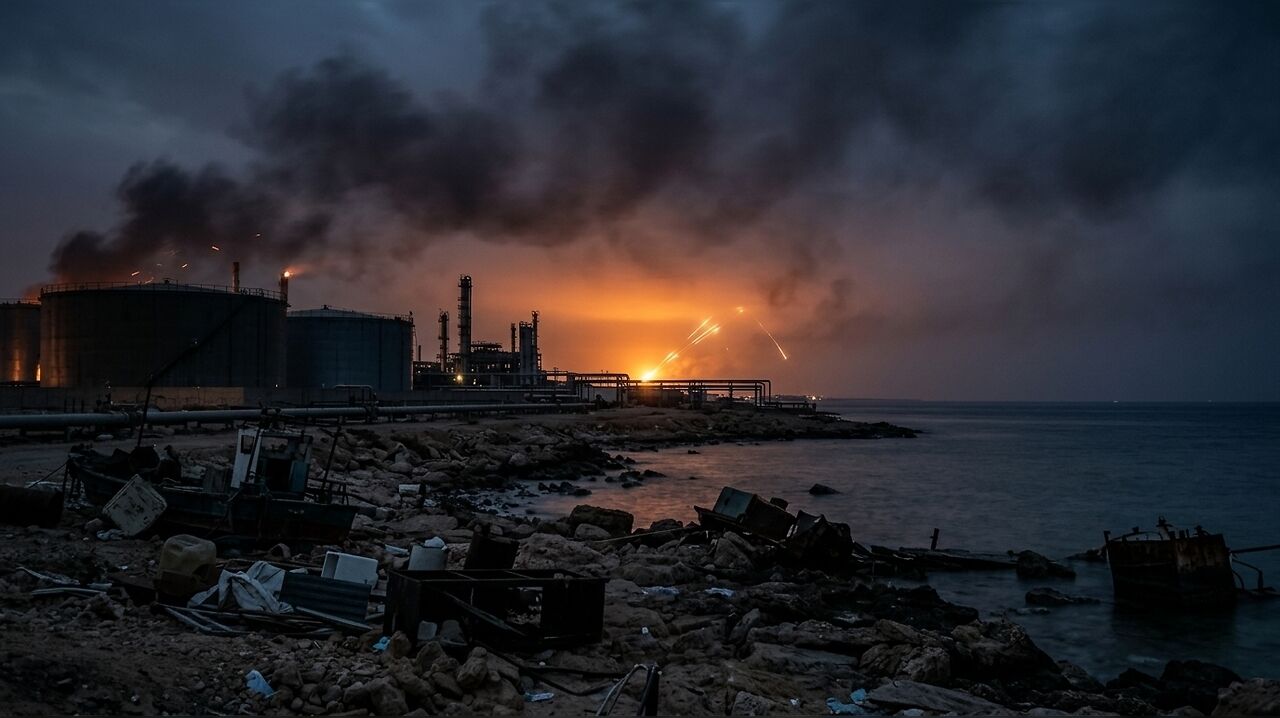
The Iran-backed Houthi movement in Yemen has claimed responsibility for a series of strikes targeting
The escalation follows a significant shift in regional security dynamics, with Pakistan and Turkey pledging to deploy military forces to Saudi Arabia. The commitment was solidified during an emergency meeting in Riyadh, where representatives from the three nations convened to activate a mutual defense pact signed in August. While the specific operational roles of the incoming troops remain undisclosed, the agreement mandates rapid deployment to support the kingdom in the face of ongoing cross-border hostilities.
Military Escalation and Strategic Objectives
The Saudi-led coalition, which supports the internationally recognized Yemeni government, has launched an ambitious campaign to reclaim territory held by the Houthis. Coalition spokesman Turki Al-Malki confirmed that naval forces conducted operations in Hodeida, targeting what he described as military facilities, including weapons depots and sites used for storing naval mines and booby-trapped vessels. The coalition reported that these strikes successfully thwarted a planned attack on critical shipping lanes in the southern Red Sea.
Simultaneously, the Yemeni military announced a major offensive aimed at the Houthi-controlled capital, Sanaa. According to military officials, the campaign has involved over 1,000 strikes, with the coalition deploying 100 warplanes in a single dawn operation. On the ground, pro-government forces have reportedly severed the primary supply route to the city of Mocha, though the status of the port remains contested.
Impact on Global Energy and International Response
The intensifying conflict has placed significant pressure on global energy markets. A source within the Saudi energy sector indicated that a recent attack forced a suspension of operations on the East-West pipeline, a vital conduit for exports. Amin Nasser, the chief executive of Saudi Aramco, warned that global oil stockpiles are currently at critically low levels, noting that the energy system is under severe strain due to the broader regional conflict.
The United Nations has expressed alarm over the rapid deterioration of the situation. A spokesman for Secretary-General Antonio Guterres stated that the UN is deeply concerned by the sharp escalation in violence and explicitly condemned the persistent Houthi cross-border attacks on Saudi territory. The conflict, which saw a relative lull following a 2022 ceasefire that lasted until July, has now displaced more than 184,000 people, according to UN figures. As the fighting continues, the region remains on high alert, with the newly activated defense pact signaling a potential long-term shift in the military landscape of the conflict.




