
In 1905, authorities in
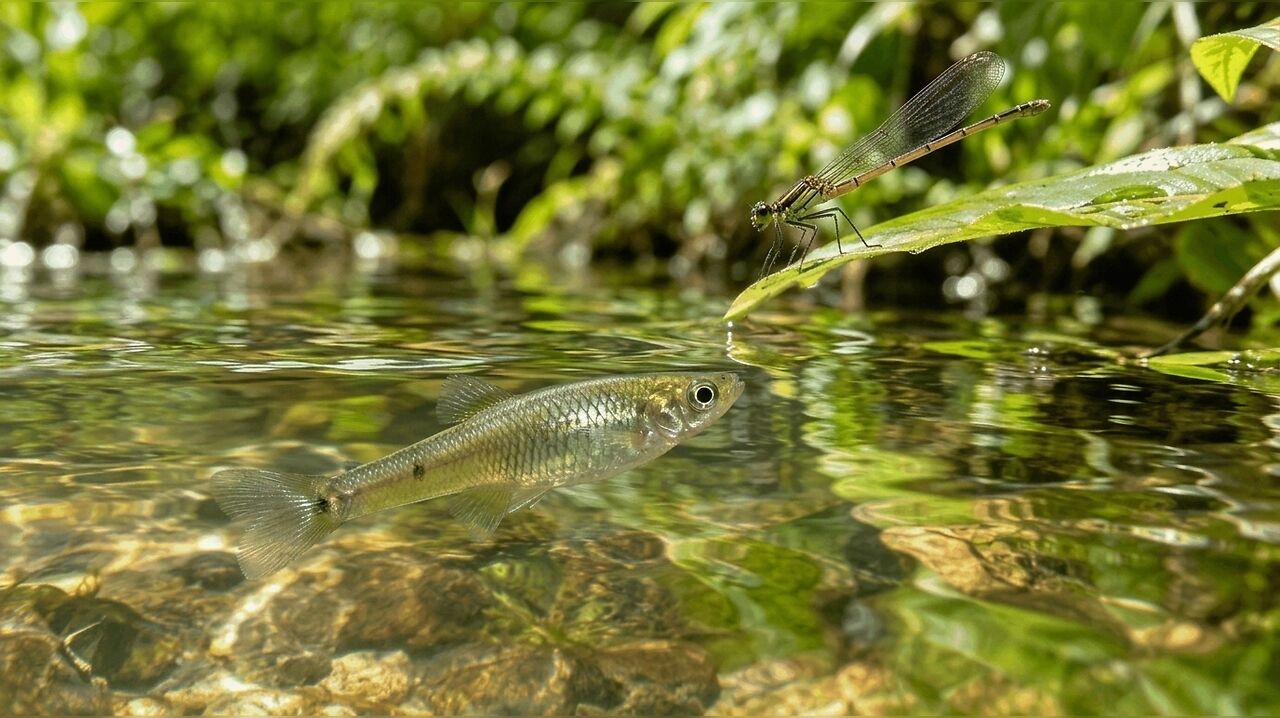
The western mosquitofish, a small species typically reaching only two inches in length, possesses a broad diet that extends well beyond mosquito larvae. Because the fish is capable of surviving in both freshwater and saltwater environments, it successfully spread across the Hawaiian archipelago. This expansion placed it in direct competition and conflict with native aquatic life that had evolved in environments largely devoid of predatory fish.
The Impact on Endemic Species
The consequences of this introduction were highlighted in a 1999 study conducted by researcher Ronald Englund and published in the Journal of Insect Conservation. The study examined various streams, wetlands, and estuaries on Oahu to determine the distribution of native damselflies belonging to the genus Megalagrion. There are 23 species of these damselflies endemic to Hawaii, and their nymphs are particularly vulnerable because they evolved in habitats with few natural predators, often swimming and feeding in open water.
Englund’s research revealed a stark correlation: native damselflies were notably absent from any site where the western mosquitofish had established a population. While the study also noted that the introduction of seven other species of damselflies and dragonflies since 1936 could be contributing factors, the mosquitofish was identified as a primary suspect in the decline of the native population. Although the study did not definitively prove predation as the sole cause, it concluded that the presence of the fish was the most likely explanation for the disappearance of the damselflies from those habitats.
Long-Term Ecological Consequences
The severity of the situation was further illustrated in a subsequent study by Englund, published in Odonatologica in 2001. During a monitoring period from 1997 to 2000, the population of the orange-black Hawaiian damselfly on Oahu was found to be restricted to a mere 100-meter stretch of stream. The research identified a combination of threats, including the presence of invasive fish, habitat alteration, and the drying of streams, which nearly led to the extinction of the local population in 1997.
The findings underscore the complex and often delayed repercussions of introducing non-native species into established ecosystems. Beyond the immediate threat posed by the mosquitofish, the research highlights how environmental changes, such as the loss of stream habitats, exacerbate the vulnerability of native species. Experts have suggested that the preservation of these damselflies may require the establishment of new populations in isolated streams where invasive fish are not present. The case serves as an example of how interventions intended to solve a single environmental problem can inadvertently create lasting challenges for biodiversity.




