
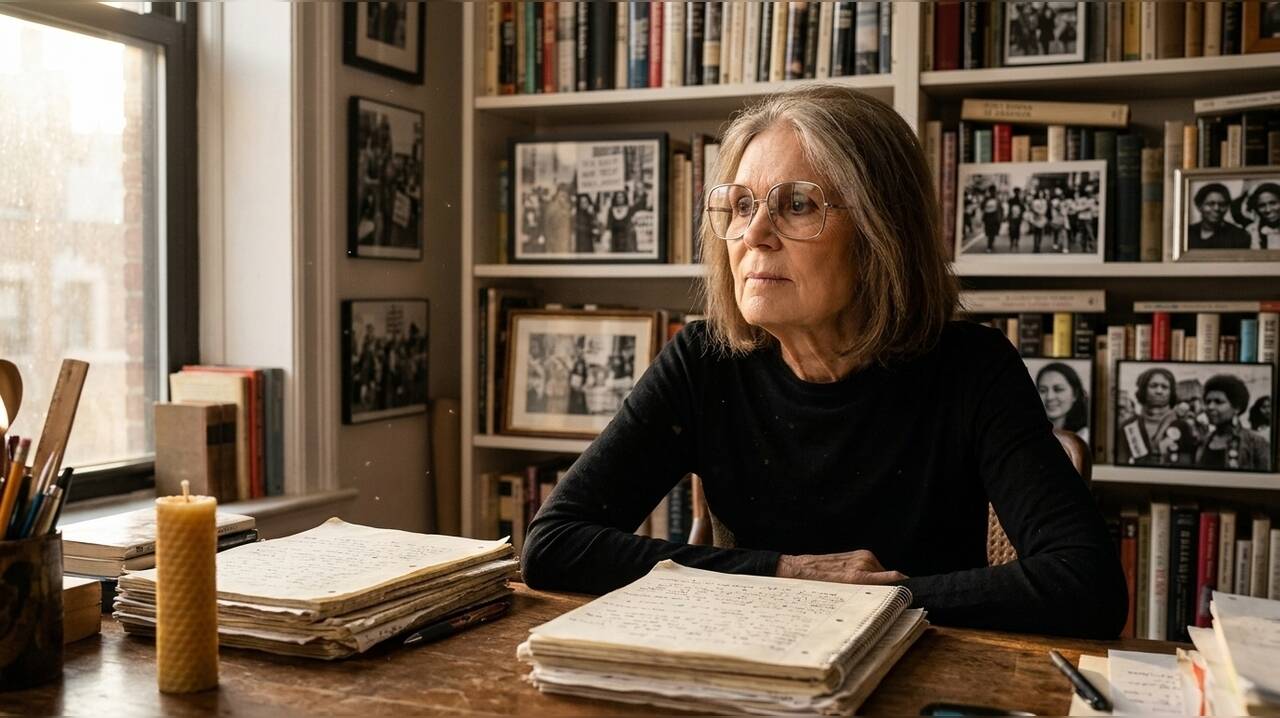
While no specific cause of death was disclosed, representatives for the activist stated that she remained committed to the cause of equality until the final days of her life. The announcement remembered her as a woman defined by her independent spirit, enduring curiosity, and sharp sense of humor, while encouraging those wishing to honor her legacy to support her charitable foundation.
A Career Defined by Investigative Journalism and Activism
Before ascending to international prominence as a leader of the second-wave feminist movement during the 1960s, Steinem established herself as a formidable journalist. Her career reached a significant turning point in 1963 with the publication of her investigative feature, A Bunny’s Tale, in Show magazine. For the assignment, Steinem went undercover as a cocktail waitress at a Playboy Club, adopting the alias Marie and misrepresenting her age to gain entry.
The resulting exposé provided a critical look at the working conditions within the Playboy brand, which she described as exploitative and deeply sexist. Her reporting challenged the glamorous public perception of the clubs, detailing the reality of low wages and the physical toll of the job, which required staff to endure long shifts in restrictive corsets and high heels. This work served as a precursor to her decades-long career as an activist, during which she campaigned extensively on issues including workplace discrimination, domestic violence, and reproductive freedom.
From Modest Beginnings to Global Influence
Born in Toledo, Ohio, in 1934, Steinem experienced a nomadic childhood as the daughter of a traveling antiques salesman. Her early life was marked by frequent relocation, and she did not attend school consistently until the age of 11. Following her parents' divorce, she returned to Ohio with her mother, a period that preceded her eventual transition into a career that would make her a central figure in American social and political discourse.
Throughout her life, Steinem leveraged her platform to bring the challenges faced by women to the forefront of national conversation. By bridging the gap between investigative journalism and grassroots activism, she became a defining voice for gender equality. Her death marks the end of a career that spanned several decades, leaving behind a significant impact on the trajectory of the women’s rights movement and the broader landscape of social justice advocacy.




