
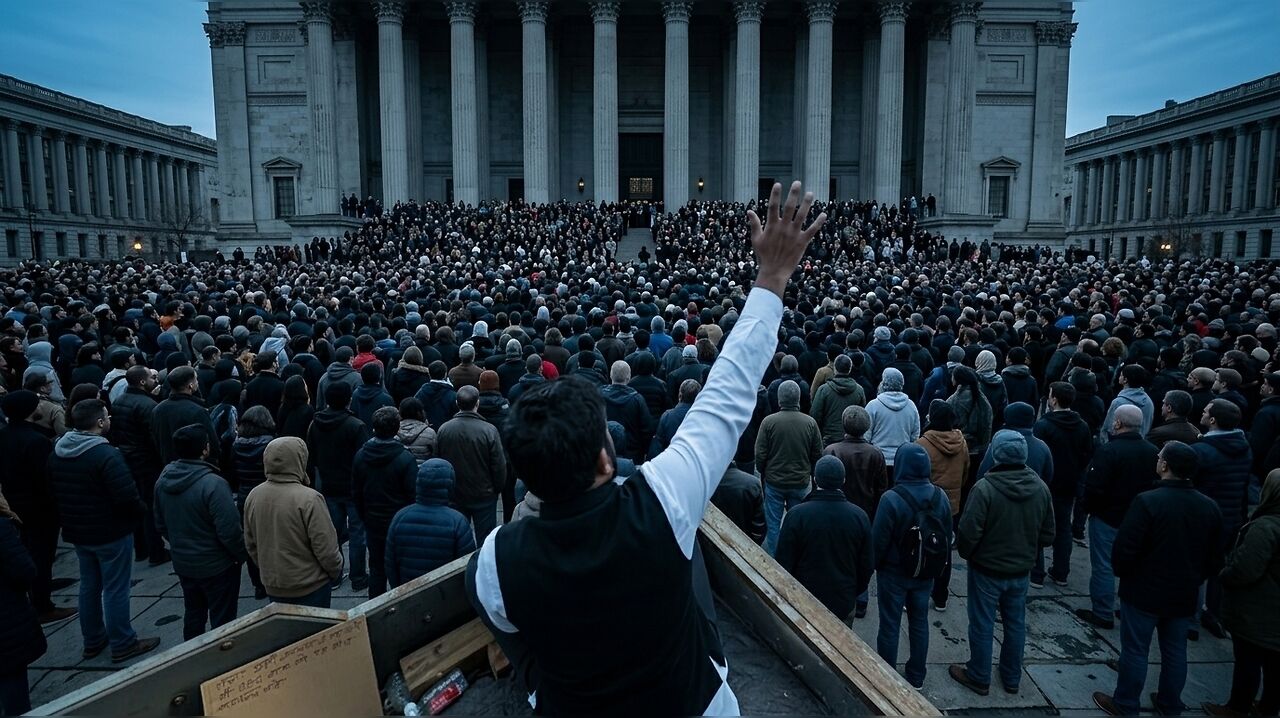
A wave of
Rather than being defined by traditional ideological battles between left and right, these movements appear to be united by a common frustration. A significant portion of the global public increasingly views the current political establishment as incapable of delivering essential services, economic stability, or meaningful representation, prompting a widespread revolt against the status quo.
The Shift in Global Political Sentiment
The scale of this unrest indicates a systemic challenge to governance models that have long dominated the international landscape. Observers note that the common thread binding these disparate protests is a loss of faith in the ability of existing systems to address the immediate concerns of the populace. This trend suggests that the primary political divide in many regions is no longer strictly partisan, but rather a growing gap between the governing class and the citizens they serve.
As these movements gain momentum, they are challenging the perceived legitimacy of political systems that are increasingly seen as unresponsive. The diversity of the countries involved—spanning various continents and political structures—underscores the breadth of this phenomenon. The persistence of these protests suggests that the dissatisfaction is not a temporary reaction to a single event, but a sustained response to perceived systemic failures.
Implications for International Governance
The emergence of these movements highlights a critical juncture for political leaders worldwide. With public expectations for accountability and tangible results rising, the inability of governments to adapt to these demands is fueling further instability. The current climate reflects a global trend where citizens are increasingly willing to bypass traditional political channels to voice their grievances directly.
As the situation continues to evolve, the focus remains on whether established institutions can reform to regain public trust or if the trend of civil unrest will continue to reshape the political map. For now, the widespread nature of these protests serves as a significant indicator of the current state of global political health and the urgent pressures facing governments in nearly every region.




