
Global
The upward pressure on prices is driven by two distinct but simultaneous threats: a significant decline in tanker traffic through the
Supply Disruptions in the Strait of Hormuz
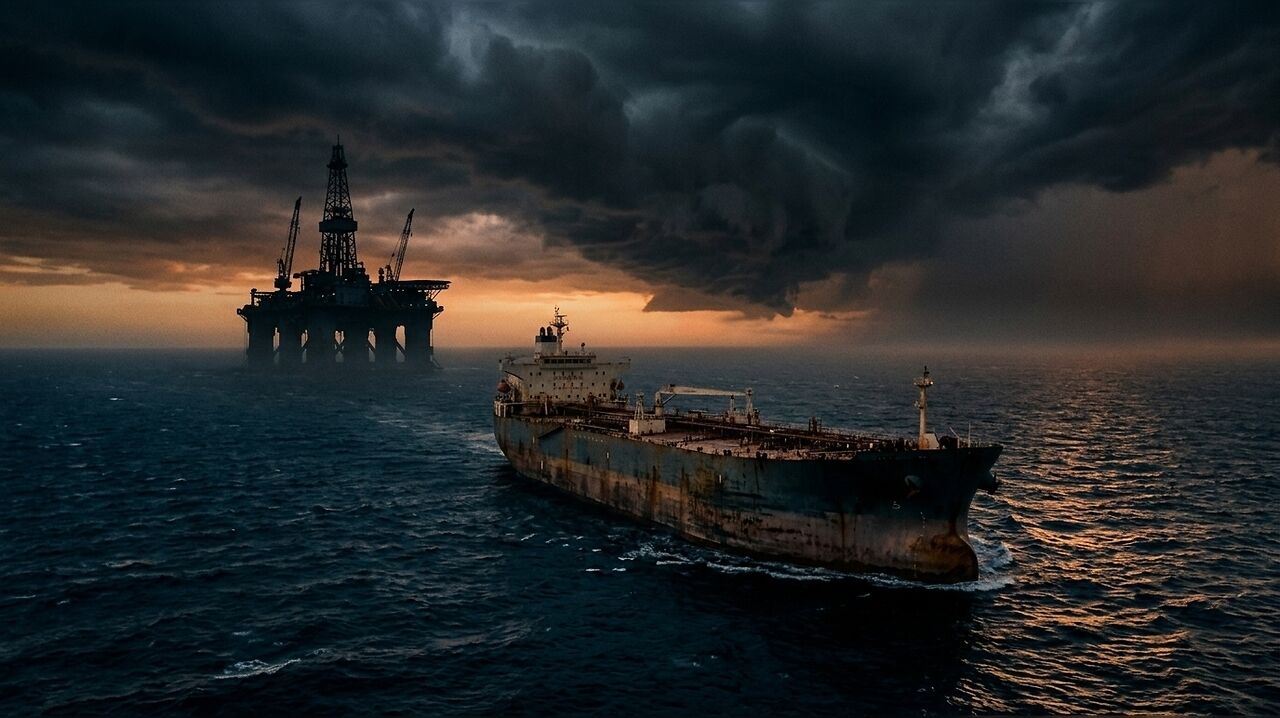
Data from Kpler indicates a marked reduction in maritime traffic through the Strait of Hormuz, a vital artery for global energy shipments. On Tuesday, only seven tankers traversed the waterway, representing less than half of the daily average recorded over the preceding week and the lowest volume since late July. This decline is directly linked to a record-breaking frequency of attacks on commercial vessels. Between September 28 and October 4, there were 10 reported attacks, surpassing the previous weekly high of six.
The UK Maritime Trade Operations agency reported that a new incident occurred on Wednesday, involving a tanker struck by multiple projectiles, resulting in casualties. These ongoing security risks have created significant apprehension regarding the safety of crews and cargo, leading to fears that energy deliveries could face further delays and increased costs.
Hurricane Risks and Market Response
While the Strait of Hormuz presents a logistical challenge, Hurricane Isaias poses a direct threat to production capacity. Major energy companies, including Shell and Chevron, have initiated safety protocols by reducing output and evacuating non-essential personnel from the Gulf Coast region. This potential for production losses, coupled with the maritime security crisis, has intensified market volatility.
The impact of these supply concerns has extended to European energy markets, where natural gas and diesel prices have risen, contributing to broader inflation anxieties and a selloff in European bond markets. In response to the tightening market, the International Energy Agency (IEA) announced it would accelerate the release of approximately 100 million barrels of oil from emergency reserves, a portion of the 400 million barrels previously pledged by member governments. The IEA maintains that it holds substantial emergency stocks, including over 200 million barrels of diesel, and remains prepared to release additional supplies if market conditions necessitate further intervention. Despite the global price hike, US retail gasoline and diesel prices remained relatively stable as of Thursday.




