
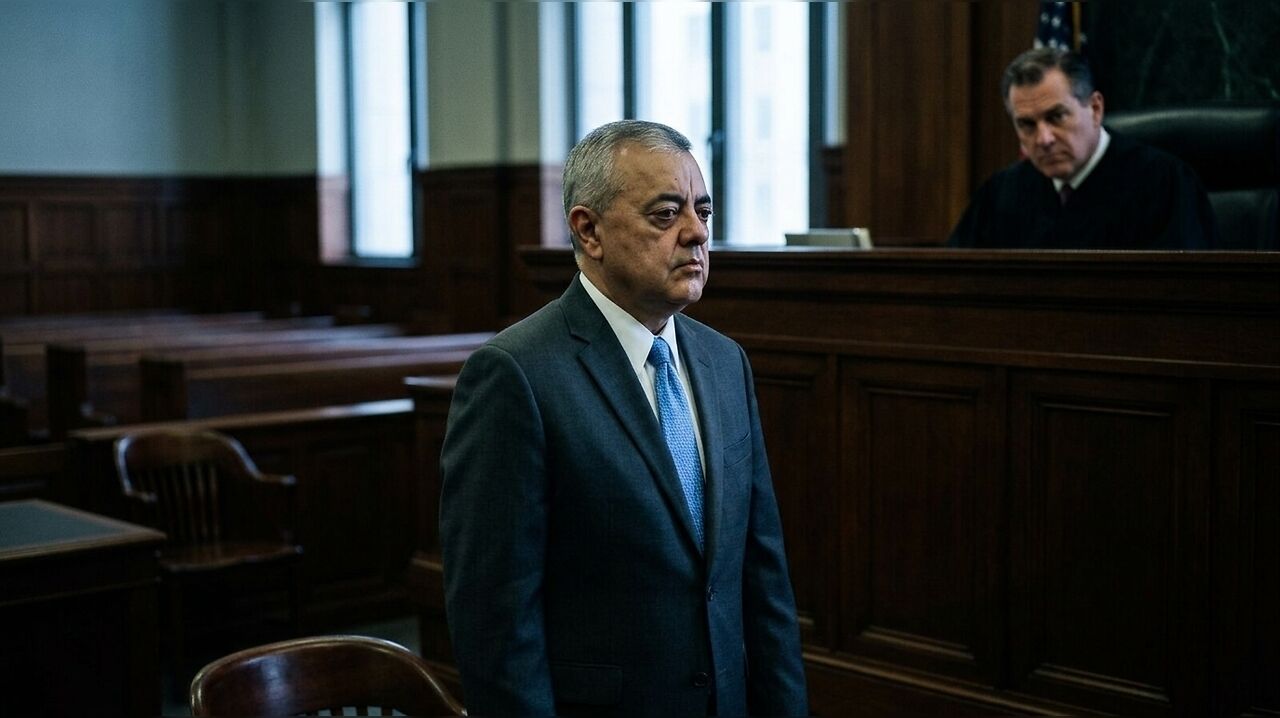
A former U.S. congressman from Miami,
During the sentencing hearing, Judge Melissa Damian rejected arguments from the defense, emphasizing that the illicit nature of the funds and the failure to disclose the lobbying activities constituted a serious betrayal of public trust. The judge noted that the case, which spanned a seven-week trial, exposed the complexities of foreign influence efforts in Miami, a city that serves as a significant hub for international political activity and exile communities.
A Secret Lobbying Campaign
Prosecutors alleged that Rivera was recruited by Delcy Rodríguez, then Venezuela’s foreign minister, to lobby the first Trump administration to soften its stance and ease sanctions against the Maduro government. According to the indictment, Rivera and his co-defendant, political consultant Esther Nuhfer, sought to leverage their connections with influential U.S. officials, including U.S. Secretary of State Marco Rubio and Texas Congressman Pete Sessions, to normalize diplomatic relations.
Evidence presented at trial revealed that the participants used encrypted communication channels and code names to coordinate their activities. Prosecutors stated that Maduro was referred to as the “bus driver,” while other figures were assigned aliases such as “Sombrero” for Sessions and “Miss Clairol” for Rubio. Payments for the lobbying efforts were reportedly labeled as “La Luz,” or “The Light.”
Defense and Prosecution Arguments
Attorneys for Rivera maintained that the $50 million contract with a U.S.-based affiliate of the Venezuelan state oil company, PDVSA, was intended for legitimate commercial consulting, specifically to encourage ExxonMobil to resume operations in Venezuela. The defense argued that the failure to register under the Foreign Agents Registration Act (FARA) was a bureaucratic oversight rather than a criminal act, and they have indicated plans to appeal the sentence. Rivera has also applied for a presidential pardon.
The prosecution, however, characterized the contract as a facade for illegal influence peddling. Assistant U.S. Attorney Roger Cruz argued that Rivera exploited his political background to deceive the public and the government. Prosecutors further alleged that the defendants attempted to conceal the nature of their work through backdated documents and sham agreements, including a transaction involving $3.75 million used to maintain a luxury yacht belonging to Venezuelan media tycoon Raúl Gorrín. While Rivera faces additional federal charges in a separate lobbying case in Washington, D.C., he continues to maintain support among segments of the Miami political establishment who testified on his behalf during the sentencing proceedings.




