
A
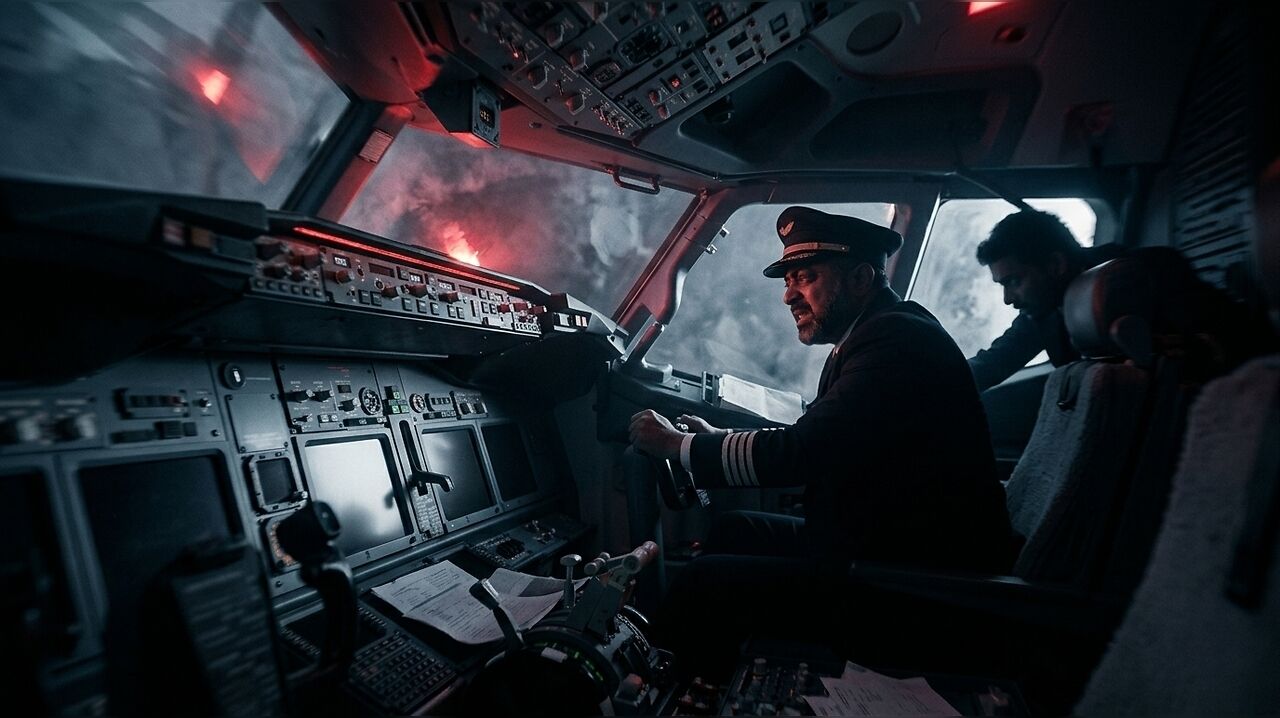
The incident, which occurred approximately two and a half hours into the flight, saw the aircraft descend nearly 18,000 feet. According to reports, the captain managed to unlock the cockpit door despite his injuries, allowing crew and passengers to intervene and restrain the co-pilot. The flight subsequently made an emergency landing at Prince Sultan bin Abdulaziz International Airport in Tabuk, Saudi Arabia.
Medical Recovery and Incident Details
Captain Machchhar sustained a depressed skull fracture, a condition where a broken piece of bone is pushed inward toward the brain. In addition to the head trauma, he suffered wounds to his chest, limbs, and upper abdominal area. Following the emergency landing, he underwent surgical reconstruction of his skull in Saudi Arabia before being airlifted to the United Arab Emirates for further specialized care.
The pilot is currently receiving treatment at a military hospital in Abu Dhabi. Sources indicate that he is responding well to medical intervention and has been permitted to receive visits from his family. In a recent conversation with Indian Prime Minister Narendra Modi, Captain Machchhar recounted the struggle, noting that he remained focused on securing the cockpit door to prevent the aircraft from crashing while he was under attack.
Investigation and Flight Status
The flight, identified as FZ1073, triggered an emergency signal and a 7500 squawk code—the international aviation indicator for a hijacking—during the descent. Israeli Prime Minister Benjamin Netanyahu later stated that the co-pilot, identified as Hamad Al-Hammami, had stabbed the captain in an apparent attempt to crash the aircraft.
Authorities continue to monitor the situation as the captain remains under medical supervision. The incident remains a subject of international attention due to the severity of the mid-air confrontation and the successful efforts by the crew and passengers to regain control of the flight.




