
In a series of posts on the platform X, Musk characterized the arguments made by those supporting Ambani’s business interests as a display of “absurd hypocrisy.” He argued that critics simultaneously claim Starlink cannot compete with the low prices offered by what he described as Ambani’s “de facto monopoly” in India, while also asserting that the satellite service represents a major competitive danger. Musk maintained that the introduction of Starlink would ultimately benefit Indian consumers by expanding their choices, noting that while it might impact the profits of established players, it would not force them out of business.
Regulatory Tensions and Political Allegations
The conflict has expanded beyond market competition to include allegations regarding political influence. Musk recently shared screenshots of media reports that alleged a firm funded by Reliance had supported political campaigns for the Bharatiya Janata Party (BJP). The shared content included references to a 2022 report regarding social media activity and a 2024 report concerning political donations made through electoral bonds. These posts followed earlier comments in which Musk sarcastically addressed the industrialist as “Prime Minister Ambani,” accusing him of attempting to maintain a monopolistic position in the country.
In response to the ongoing discourse, the Indian government has maintained that its regulatory framework for telecommunications and satellite services is fair and non-discriminatory. Officials have dismissed suggestions that the authorization process is being applied selectively as baseless. Communications Minister Jyotiraditya Scindia recently stated that India does not permit monopolies in any sector. He clarified that the government remains technology-agnostic and that three entities—Starlink, Reliance Jio’s satellite venture, and Bharti-backed Eutelsat OneWeb—have already secured satellite communication licenses. According to the minister, these companies can commence operations once they meet specific security requirements and operational milestones.
Market Access and Future Outlook
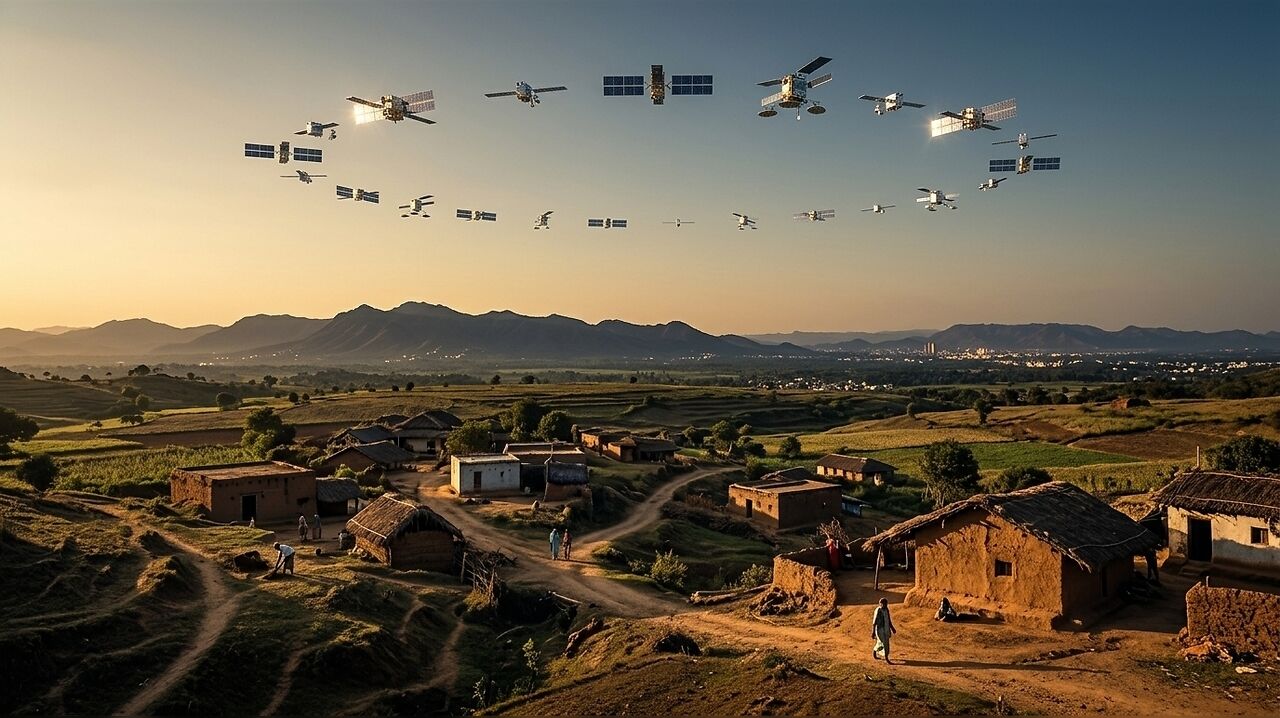
Musk has framed the potential launch of Starlink in India as a humanitarian and economic necessity, arguing that satellite broadband could provide internet access to underserved regions, thereby facilitating education and enabling small businesses to reach global markets. He also highlighted the role of satellite technology in maintaining communication during natural disasters. Regarding pricing concerns, Musk stated that if Starlink’s services were deemed too expensive by the Indian market, the company would be compelled to adjust its pricing to remain viable.
As the debate continues, the Telecom Regulatory Authority of India and the Department of Telecommunications are nearing a final decision regarding the pricing regime for satellite spectrum. While Reliance has not issued a public response to Musk’s specific allegations, the government continues to emphasize that the market is open to all qualified players who adhere to the established regulatory procedures.




