
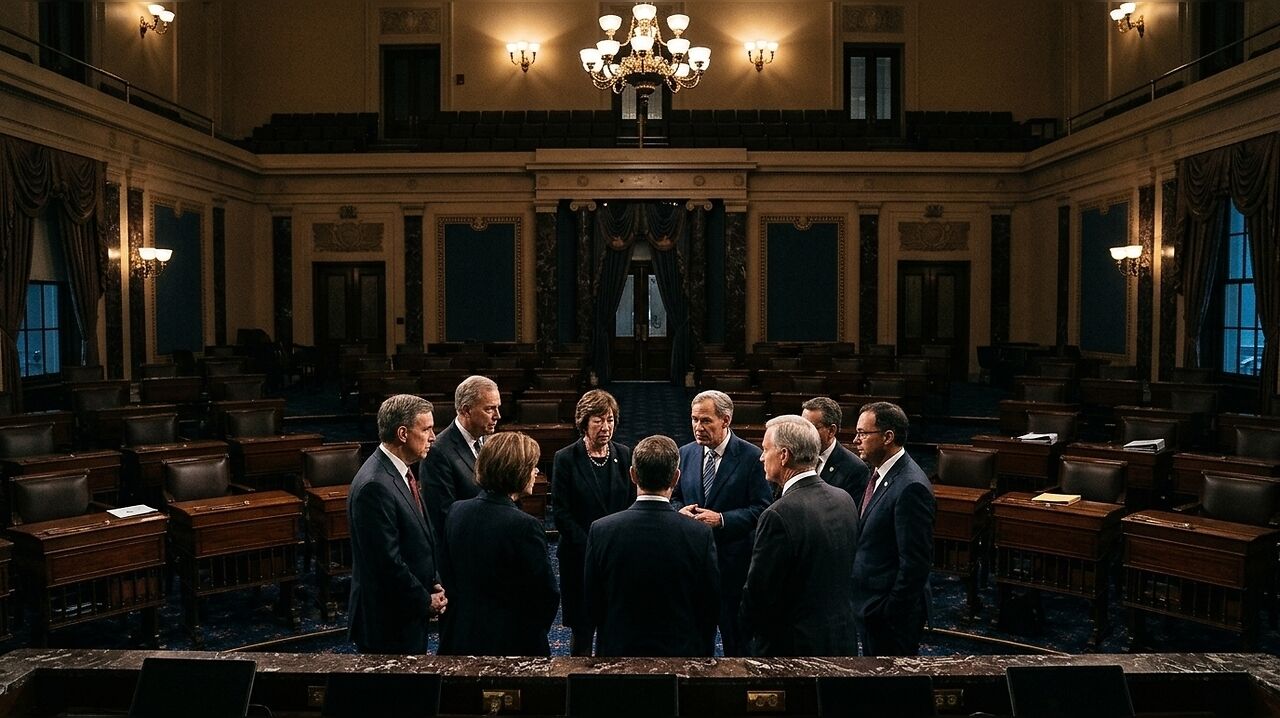
The Democratic Party achieved a sweeping victory in the 2026 U.S. midterm elections, successfully flipping control of both the House of Representatives and the Senate. The results represent a significant political shift, as Democrats captured multiple governorships and unseated several high-profile Republican incumbents in districts and states previously considered secure for the GOP.
Voter sentiment appeared heavily influenced by economic pressures, with exit polling highlighting the cost of living and government corruption as primary concerns. According to data from NBC News, President Donald Trump faced a 62% disapproval rating, a factor that analysts suggest contributed to the broader electoral swing against his party.
High-Profile Republican Losses
The election cycle saw the departure of several veteran Republican figures. In Maine, six-term Senator Susan Collins was defeated by Democrat Troy Jackson, concluding her nearly 30-year tenure in the chamber. Similarly, Kansas saw a historic shift as Senator Roger Marshall lost his seat to Democrat Adam Hamilton, marking the first time in nearly a century that a Democrat has secured a Senate victory in the state.
The trend continued in South Carolina, where Senator Darline Graham, who had been appointed to the seat, was defeated by Dr. Annie Andrews. In Ohio, Senator Jon Husted also lost his bid for election, further bolstering the Democratic majority in the Senate. Texas experienced a notable political realignment as well, with Governor Greg Abbott losing his re-election campaign to Democrat Gina Hinojosa, while Republican Attorney General Ken Paxton was defeated by James Talarico in a closely contested race.
The Impact of Presidential Influence
The election results have prompted scrutiny regarding the political influence of President Trump, who had actively campaigned for several of the defeated candidates. Despite the president’s efforts to frame the midterms as a test of his agenda, many of his endorsed candidates, including Michael Whatley in North Carolina, failed to secure victory.
In the aftermath of the results, President Trump dismissed the outcome as a referendum on his leadership, stating on social media that he was not on the ballot and suggesting that his presence would have ensured a different result. Nevertheless, the scale of the Democratic gains—which included seven Senate seats and over two dozen House seats—marks only the third time in the last half-century that control of both chambers of Congress has shifted in a single midterm election cycle.




