
The
The shift in electoral outcomes follows a concerted, multi-year effort by the Democratic National Committee to broaden its geographic focus. Rather than concentrating resources on a limited number of competitive battleground states, the party moved to invest in state-level organizations and field candidates in virtually every race. This strategy was designed to address a long-standing perception among rural residents that they had been neglected by the Democratic platform. By prioritizing a consistent presence in smaller communities, the party aimed to rebuild its influence in areas where it had previously ceded significant ground.
A Shift in Campaign Strategy and Grassroots Engagement
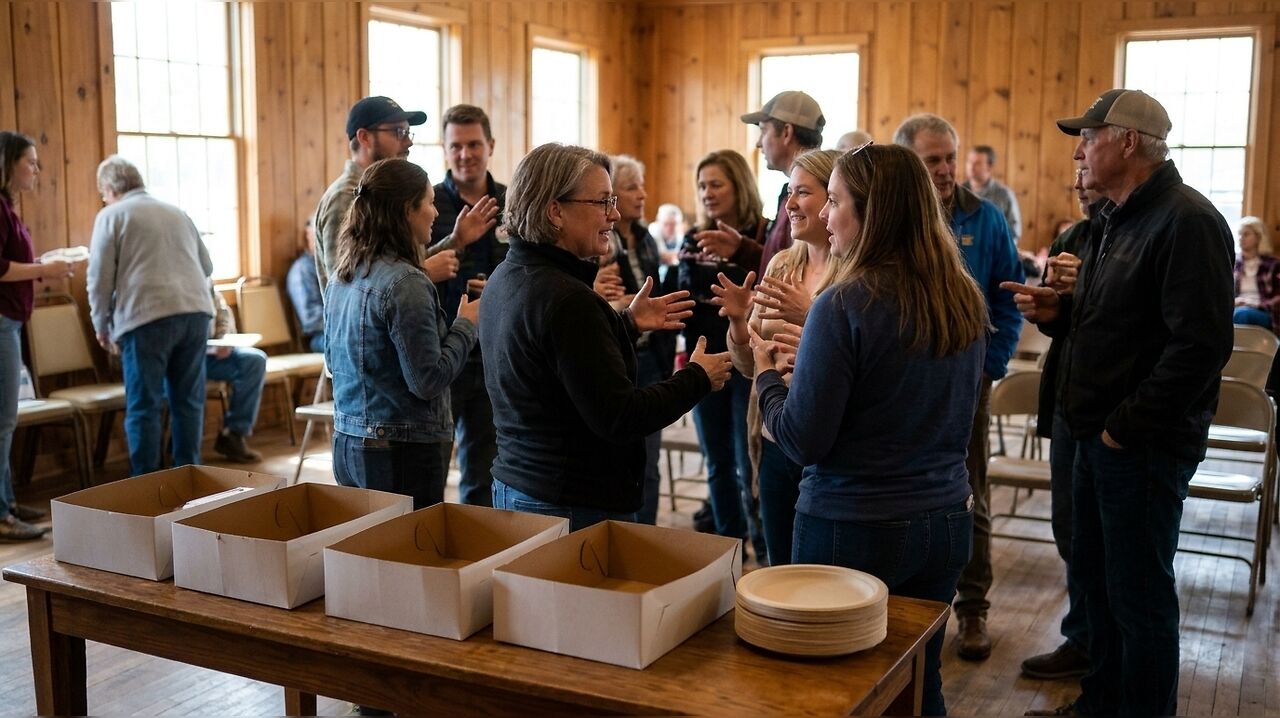
Central to this expansion was a commitment to a robust ground game. Candidates such as Rebecca Cooke in Wisconsin and Christina Bohannan in Iowa emphasized the importance of direct engagement, with campaigns dedicating significant resources to door-knocking and regional organizing. In Wisconsin, Cooke’s campaign reported knocking on 54,000 doors, while Bohannan implemented a weekly canvassing initiative dubbed Small Town Tuesday. These efforts were supported by the Democratic Congressional Campaign Committee, which launched its first-ever dedicated program for rural voter engagement this cycle.
In Kansas, the election of Adam Hamilton—the state's first Democratic senator in nearly a century—was the result of a four-year organizational buildup. State party chair Jeanna Repass focused on expanding the number of active county chapters and maintaining year-round organizers. This infrastructure allowed the party to increase its door-knocking activity by 50% compared to the 2022 midterms. The strategy proved effective in diverse rural areas, such as Seward County, where Hamilton secured a 13-point victory in a region that had previously supported President Trump by a wide margin.
Economic Pressures and Future Electoral Challenges
The recent Democratic gains occurred against a backdrop of economic frustration in rural communities, where many voters have expressed concerns regarding high fuel prices and the impact of the administration's global tariff policies. President Trump acknowledged on Wednesday that the ongoing conflict in Iran had contributed to his party's midterm losses, though he maintained that the administration's stance on the war remained necessary.
Despite these successes, political analysts and party strategists caution that the results may reflect a specific rebuke of the current administration rather than a permanent realignment of rural voters. Republicans maintained victories in several rural states, including Arkansas, Oklahoma, and Nebraska. Democratic strategists emphasize that the durability of these gains will depend on the party's ability to maintain its current level of investment and engagement through the 2028 presidential cycle. As the party looks ahead, the focus remains on whether the strategy of competing in every district can be sustained to prevent a return to a narrower electoral map.




